Canadian stock futures edged higher on Tuesday, with S&P/TSX futures rising 0.2%, even as a key commodity weighed on the energy-heavy index. The move came after OPEC+ agreed to raise output targets starting in August, sending oil prices lower. At the same time, traders adjusted their expectations for U.S. interest rate hikes, now pricing in just one more increase by the end of the year.
OPEC+ Output Hike Sends Oil Lower
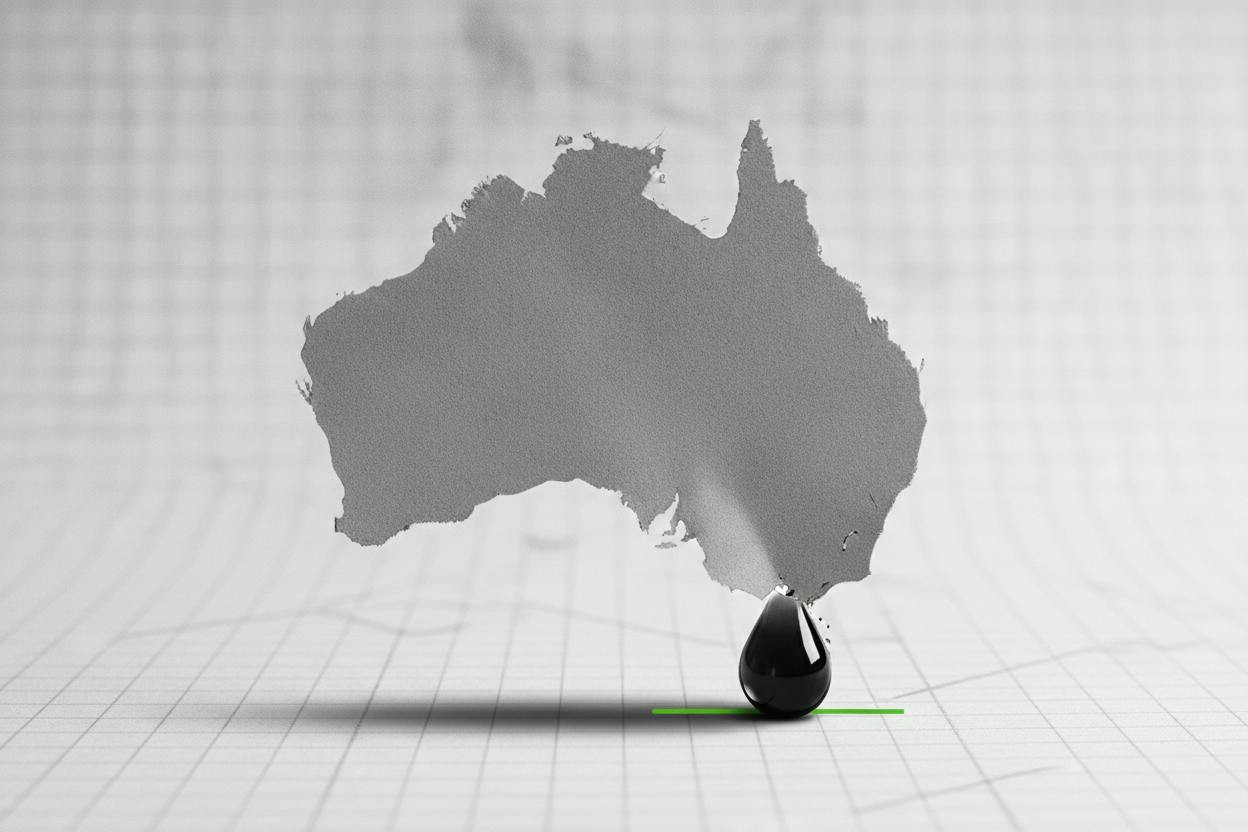
The Organization of the Petroleum Exporting Countries and its allies, known as OPEC+, decided to increase production targets from August, a move that surprised some market watchers. The decision is aimed at meeting growing global demand, but it also signals that the group sees enough supply to justify higher output. As a result, crude oil prices dipped, which typically weighs on Canada's energy sector—a major component of the TSX.
Lower oil prices can be a double-edged sword for Canadian investors. On one hand, they reduce costs for consumers and businesses that rely on fuel. On the other, they squeeze profits for energy companies, which make up a significant portion of the Canadian stock market. The impact was visible in Hong Kong as well, where stocks gained as oil fell to four-month lows, reflecting a broader market shift.
Fed Rate Hike Expectations Cool
Alongside the OPEC+ news, traders dialed back their expectations for U.S. interest rate hikes. Market pricing now suggests only one Federal Reserve rate increase by the end of 2025, down from earlier forecasts of two or more. This shift comes as recent economic data points to a cooling economy, with inflation showing signs of easing and job growth moderating.
Fewer expected rate hikes are generally positive for stocks, as lower interest rates reduce borrowing costs for companies and make equities more attractive relative to bonds. For Canadian investors, this is particularly relevant because the Bank of Canada often follows the Fed's lead, meaning a slower pace of U.S. rate hikes could translate into a less aggressive tightening cycle at home.
Gold Slips Despite Weaker Dollar
Gold prices slipped on Tuesday, even as the U.S. dollar softened on the back of the reduced rate hike expectations. Typically, a weaker dollar supports gold, which is priced in dollars and becomes cheaper for foreign buyers. However, the precious metal faced headwinds from the broader risk-on sentiment, as investors moved into stocks and away from safe-haven assets.
For everyday investors, gold's decline serves as a reminder that the metal doesn't always move in lockstep with interest rate expectations. Other factors, such as market sentiment and demand from central banks, also play a role. Those holding gold as a hedge might want to keep an eye on how the Fed's next moves unfold.
What It Means for Investors
The combination of lower oil prices and fewer expected rate hikes creates a mixed picture for Canadian portfolios. Energy stocks may face short-term pressure, but lower fuel costs could benefit other sectors like airlines and transportation. For example, lower jet fuel costs have been a tailwind for companies like International Consolidated Airlines Group, as highlighted in a recent BofA note that raised its price target on IAG.
Meanwhile, the prospect of a less aggressive Fed could support growth stocks and real estate investment trusts, which are sensitive to interest rates. Investors should also watch for earnings reports from Canadian companies, as strong results—like Nextage's doubled first-half profit and raised guidance—can provide a buffer against commodity price swings.
Overall, the day's moves highlight how global factors—from OPEC+ decisions to Fed policy—ripple through Canadian markets. For everyday investors, staying diversified across sectors and regions remains a prudent approach, as no single event dictates the market's direction.