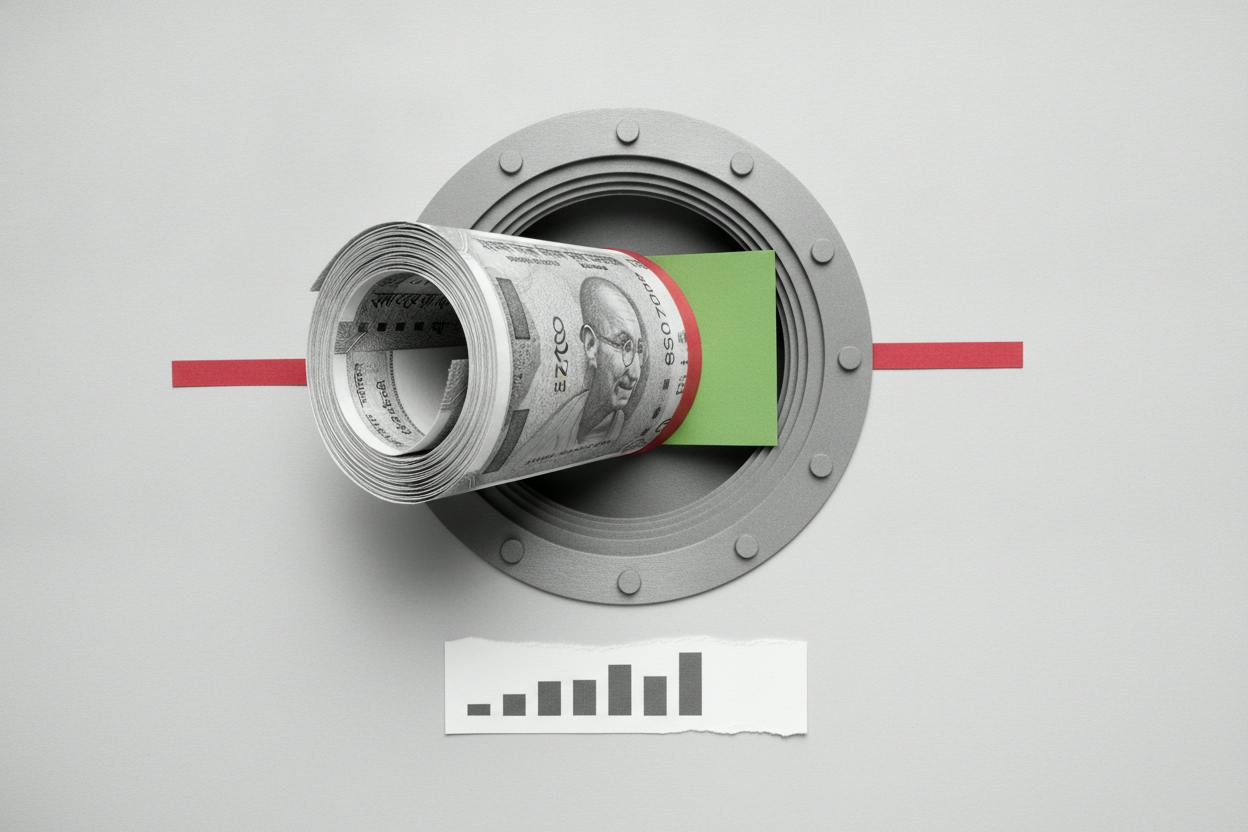
Capri Global Capital, an Indian non-bank lender, has priced its debut US dollar bond at a yield of 7.55%, coming in 0.20 percentage points below the initial price guidance it had floated to investors. The company said in an exchange filing that it accepted $300 million of orders for the senior secured notes, which are set to mature in late 2029.
The deal marks a milestone for the lender, which had previously paused investor meetings in June when market conditions made pricing less attractive. By returning to the market now, Capri Global joins a growing list of Indian non-bank financial companies (NBFCs) that have tapped dollar funding in 2026—this is the fourth such deal from its peer group this year.
What is a dollar bond and why does it matter?
A dollar bond is a debt security issued in US dollars, typically by companies outside the United States. For Indian lenders like Capri Global, issuing in dollars allows them to access a deeper pool of international investors and diversify their funding sources beyond the domestic rupee market. The proceeds can be used for lending activities or to refinance existing debt.
The bond is 'senior secured,' meaning it has priority over other debts and is backed by specific collateral, which reduces risk for investors. The coupon of 7.55% is the annual interest rate the lender will pay bondholders. That rate is notably higher than what Indian government bonds offer, reflecting the additional credit risk of a private lender.
The bond's repayment structure is also worth noting: instead of a single bullet payment at maturity, investors will receive three equal installments in June, September, and December 2029. This staggered repayment reduces the 'all-at-once' refinancing risk that can strain a borrower's cash flow.
Market context and investor demand
The deal attracted $300 million in orders, which is a solid response for a first-time issuer. Analysts at CreditSights had pegged fair value for the bond at around 7.45%, suggesting the final pricing was close to what the market considered reasonable. Fitch, a credit rating agency, has assigned a rating to the notes, though the specific rating was not disclosed in the brief.
The pricing below initial guidance indicates that investors were willing to accept a lower yield than the company first proposed, a sign of healthy demand. This is a positive signal for Capri Global, as it lowers its borrowing costs relative to what it might have paid earlier in the year.
The broader backdrop is one of rising global bond yields, as borrowing costs have climbed to multi-year highs in many markets. That environment makes dollar issuance more expensive for all borrowers, but Indian lenders have still found willing buyers, partly because of the country's strong economic growth and improving credit profiles.
What it means for investors
For everyday investors, this deal is a reminder that Indian non-bank lenders are increasingly looking overseas for funding. That can be a double-edged sword. On one hand, it diversifies their funding base and can support growth. On the other, it exposes them to currency risk—if the rupee weakens against the dollar, the cost of repaying these bonds rises in local currency terms.
For bond investors, the 7.55% yield is attractive relative to many developed-market bonds, but it comes with higher risk. Investors should consider the credit quality of the issuer and the fact that emerging-market corporate bonds can be volatile. The staggered repayment schedule does offer some protection against a sudden need to refinance a large lump sum.
The fact that Capri Global is the fourth Indian NBFC to tap dollar funding in 2026 suggests a trend. As foreign investors have returned to Indian markets, international appetite for Indian corporate debt appears to be growing. This could lead to more issuance, giving investors more choices but also increasing competition for capital.
Looking ahead
Investors will be watching how Capri Global uses the proceeds and whether it can maintain its credit metrics. The company's decision to pause its earlier attempt in June shows that it is price-sensitive and willing to wait for better conditions—a prudent approach in a volatile market.
For those holding the bond, the key risks are a sharp depreciation of the rupee, a deterioration in the lender's financial health, or a broader rise in global interest rates that could reduce the bond's market value. Conversely, if the Indian economy continues to grow and the lender performs well, the bond could prove to be a solid income-generating investment.
As always, diversification is important. A single corporate bond, especially from an emerging-market lender, should be part of a broader portfolio that includes safer assets like government bonds or high-quality blue-chip stocks.