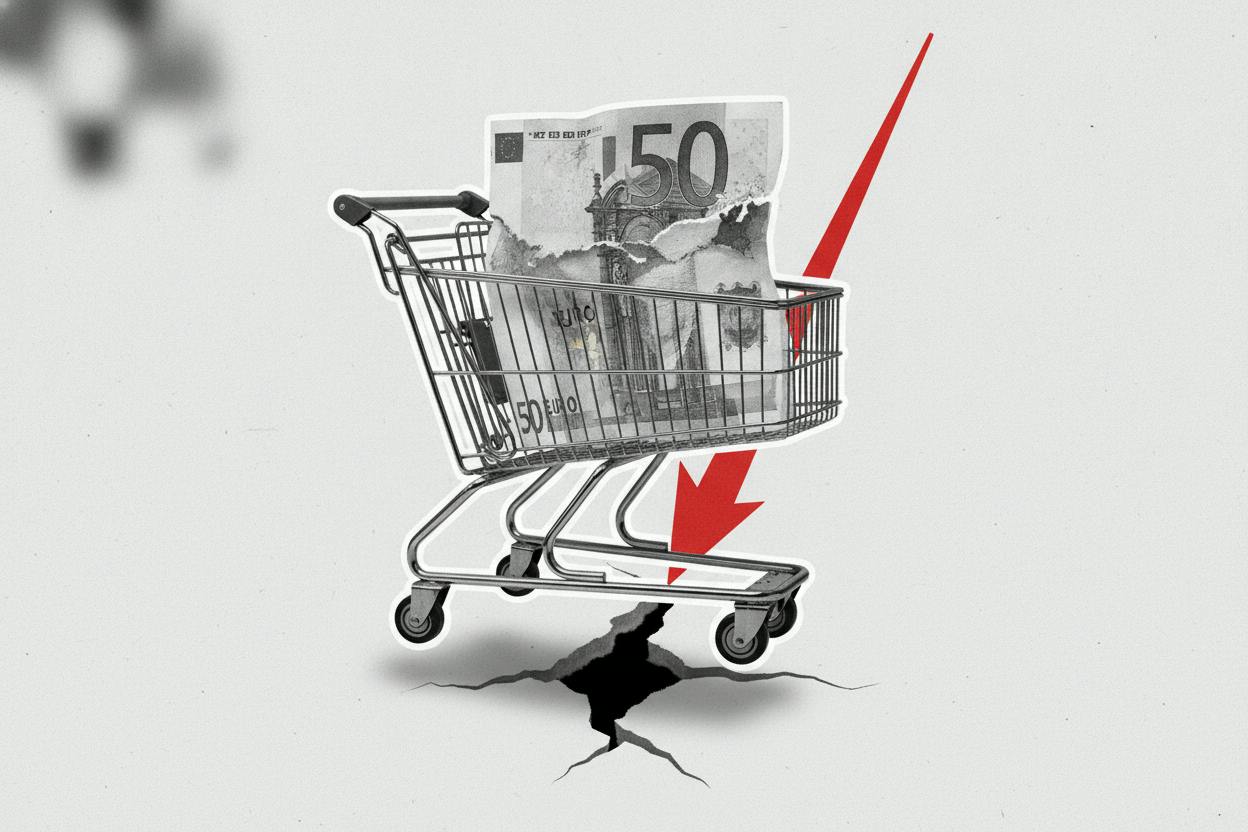
Carrefour, one of Europe's largest grocery retailers, saw its shares tumble about 15% after the company cut its full-year profit outlook. The French group warned that civil unrest in its home market and higher costs could reduce operating income by between €80 million and €200 million this year. The warning erased roughly €1.7 billion from the company's market value in a single session.
Why the riots hit Carrefour so hard
Carrefour generates about half of its sales in France, making it more exposed to domestic disruption than many of its global rivals. Store closures, damage to property, and supply chain interruptions during periods of unrest can quickly translate into lost revenue and extra costs. The company said the financial impact could reach as much as €200 million, a figure that spooked investors.
But analysts were quick to point out that the profit warning may not be purely a one-off event. JPMorgan, a global investment bank, said the update also hinted at weaker underlying momentum, specifically calling out soft sales volumes in France, Spain, and Brazil. That distinction matters because it suggests the problem could be more than just temporary disruption from riots.
What a profit warning usually means
When a company like Carrefour issues a profit warning, it rarely affects just one year's numbers. Management's revised guidance signals that trading conditions are tougher than previously expected, which often leads analysts to lower their forecasts not only for the current year but also for future years. They may trim assumptions about sales growth, profit margins, and the overall value of the business.
This is why a warning of up to €200 million to one year's operating income can lead to a much larger drop in the company's stock market value. Shares reflect the market's view of a company's expected profits over many years, not just the next twelve months. A €1.7 billion loss in market value suggests investors are repricing more than just this year's shortfall.
Two forces behind the share price drop
The sharp decline in Carrefour's shares likely reflects two separate repricings. First, a lower expected profit path: if brokers continue to cut their forecasts for France, Spain, and Brazil, the company's future earnings will be seen as weaker. Second, a higher "uncertainty discount": when earnings visibility worsens, investors typically demand a higher return for holding the stock, which pushes the share price down.
The unrest in France could fade, and the immediate disruption may prove temporary. But the stock could stay under pressure if future updates confirm that the warning was not just about riots, but about weaker demand or slimmer margins across Carrefour's core markets. Investors will be watching closely for any signs that the company's underlying trading has deteriorated.
What it means for everyday investors
For investors, this episode is a reminder that profit warnings can have an outsized effect on share prices, especially for companies with heavy exposure to a single market. Carrefour's reliance on France means that domestic events—whether social unrest, regulatory changes, or shifts in consumer spending—can have a disproportionate impact on its results.
It also highlights the difference between a temporary shock and a more lasting problem. If the riots were the only issue, the share price might recover once conditions normalise. But if the warning reveals deeper weakness in demand or margins, the stock may remain under pressure for longer.
Investors should also note that a drop of this size can sometimes create opportunities, but it can also signal genuine trouble. The key is to look beyond the headline number and assess whether the company's underlying business is deteriorating. In Carrefour's case, the mention of soft volumes in multiple countries suggests the challenges may not be limited to France.
For those who own Carrefour shares or are considering buying them, the next few months will be crucial. The company's next earnings report will show whether the profit warning was a one-off or the start of a longer trend. Until then, the market's uncertainty discount is likely to remain in place.
Carrefour's situation is not unique. Other European retailers have faced similar pressures from rising costs and changing consumer behaviour. The broader lesson is that companies with high exposure to a single market or region carry specific risks that investors need to weigh.
As always, it's wise to diversify and not put too much money into any single stock, especially one that has just issued a profit warning. The market's reaction to Carrefour's news shows how quickly sentiment can shift when a company's outlook deteriorates.