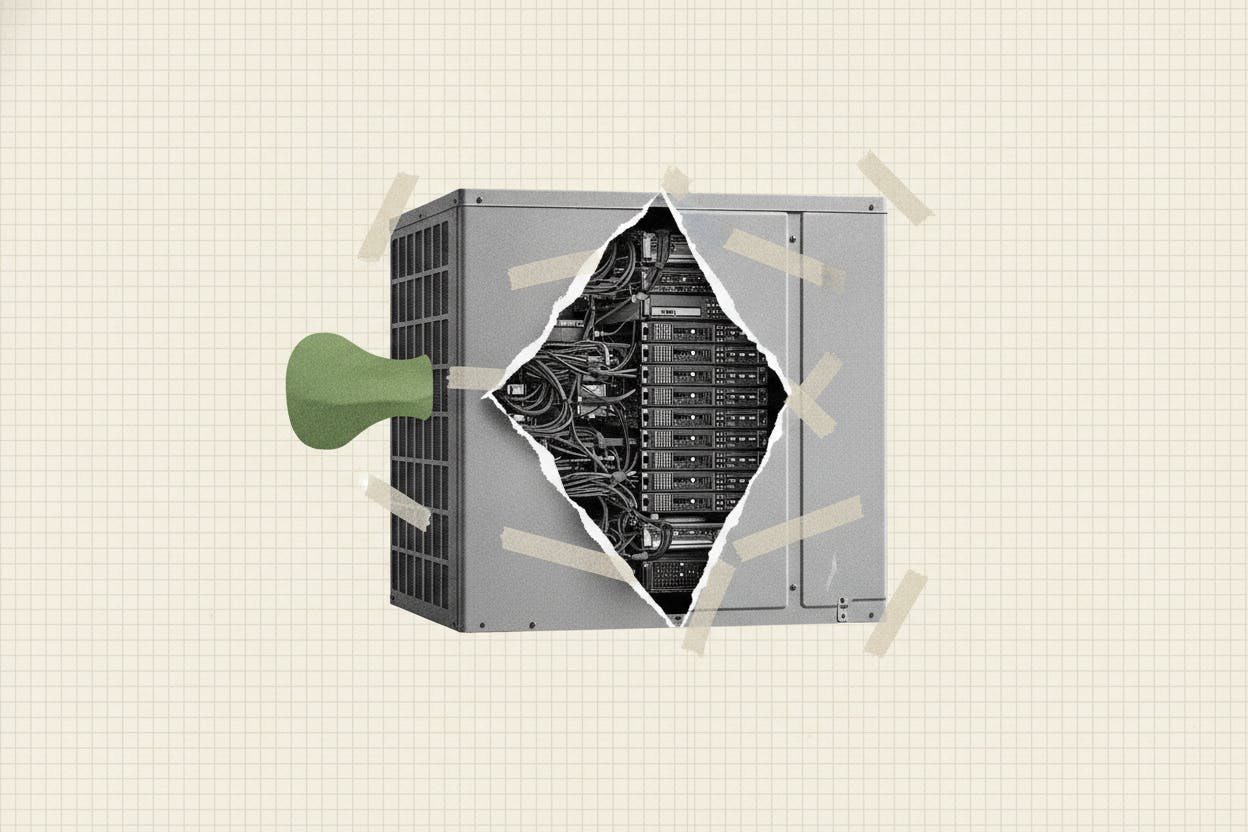
Carrier Global, the heating, ventilation, and air conditioning (HVAC) giant, delivered a second-quarter performance that beat expectations, driven by a rebound in U.S. residential HVAC sales and growing demand from data centers. The company also raised its 2026 outlook, signaling confidence in its long-term growth trajectory despite a broader selloff in data center stocks.
Key numbers from the quarter
According to RBC Capital Markets, an investment bank that covers the stock, Carrier's organic sales—which exclude the effects of currency fluctuations, acquisitions, and divestitures—rose 3% in the second quarter. That beat forecasts that had anticipated a decline. The Americas, Carrier's most profitable region, showed particular strength, with residential HVAC sales jumping 9% year over year. Orders in that segment rose about 70%, a sharp turnaround that pushed management to revise its 2026 outlook from a projected high-single-digit decline to high-single-digit growth.
The company also lifted its data center revenue forecast to $2 billion, up from previous guidance, reflecting a sudden wave of orders from cloud computing and AI infrastructure providers. This comes at a time when many data center stocks have sold off, as investors worry about oversupply and slowing demand in the sector.
What's driving the HVAC rebound?
The U.S. residential HVAC market has been under pressure for much of the past year, as high interest rates and inflation dampened home construction and renovation activity. But recent data suggests the market is stabilizing, with Carrier benefiting from a backlog of replacement demand and a shift toward more energy-efficient systems. The company's strong order growth in the quarter indicates that homeowners and builders are starting to invest again, even as mortgage rates remain elevated.
Carrier's performance mirrors broader trends seen in other industrial and consumer goods companies. For instance, Brembo recently lifted its 2024 sales forecast after a strong second quarter, while Eicher Motors beat profit estimates on surging motorcycle sales in India. These examples highlight how companies with strong brands and operational leverage can outperform even in uncertain economic conditions.
Data center demand: a bright spot amid the selloff
Carrier's raised data center revenue forecast to $2 billion is notable because it comes during a period of turbulence for data center stocks. Many investors have grown cautious about the sector, fearing that the massive buildout of cloud and AI infrastructure may outpace actual demand. However, Carrier's experience suggests that the underlying need for cooling and climate control systems remains robust, as data centers require precise temperature and humidity management to operate efficiently.
This is a reminder that not all companies exposed to data centers are created equal. While some may face headwinds from oversupply or pricing pressure, others—like Carrier—benefit from long-term structural trends, such as the growth of AI, cloud computing, and edge computing, which require more sophisticated HVAC solutions.
What it means for investors
For everyday investors, Carrier's results offer a few key takeaways. First, the HVAC market appears to be recovering, which could be a positive sign for other companies in the sector, such as Trane Technologies or Lennox International. Second, the data center opportunity is real, but it's not uniform—investors should look for companies with differentiated products and strong competitive positions.
Carrier's ability to raise its 2026 outlook despite a challenging macro environment suggests that management is confident in its strategy. The company has been investing in new products, such as heat pumps and smart thermostats, and expanding its service business, which provides recurring revenue. It has also been active in mergers and acquisitions, including the recent purchase of Viessmann's climate solutions business, which strengthens its European footprint.
However, investors should also be aware of risks. Carrier carries significant debt from its spin-off from United Technologies and subsequent acquisitions. Higher interest rates increase the cost of servicing that debt, which could weigh on earnings. Additionally, the residential HVAC market is cyclical and sensitive to housing starts and consumer spending.
Other companies have also raised their outlooks recently, such as SoFi, which raised its revenue forecast after record lending and member growth, and Banca Generali, which raised its 2026 inflow target after a strong first half. These examples show that companies with strong execution can still find growth, even in a slower economy.
Looking ahead
Carrier's next major catalyst will be its full second-quarter earnings report, due later this month, where investors will get more details on margins, cash flow, and segment performance. The company's ability to sustain its HVAC momentum and capture data center orders will be key to meeting its 2026 targets.
For now, the message from Carrier is clear: the HVAC market is coming back, and data centers are a growing source of demand. That's a combination that could keep the stock in focus for investors looking for industrial exposure with a tech twist.