Carvana, the online used-car retailer, issued its first-ever annual profit forecast on Thursday, and the numbers came in a bit shy of what Wall Street had hoped for. The company's shares fell about 15% in extended trading as investors digested the news.
The company said it expects full-year adjusted core profit — a measure it defines as earnings before interest, taxes, depreciation, amortization, and certain other items — to land between $2.7 billion and $3.0 billion. The midpoint of that range falls below the $2.97 billion average estimate from analysts polled by LSEG, according to Reuters.
Why the forecast matters
This is Carvana's first time giving a full-year outlook, marking a shift for a company that has historically focused on quarterly results. The guidance gives investors a clearer picture of where management sees the business heading, but the miss suggests headwinds remain.
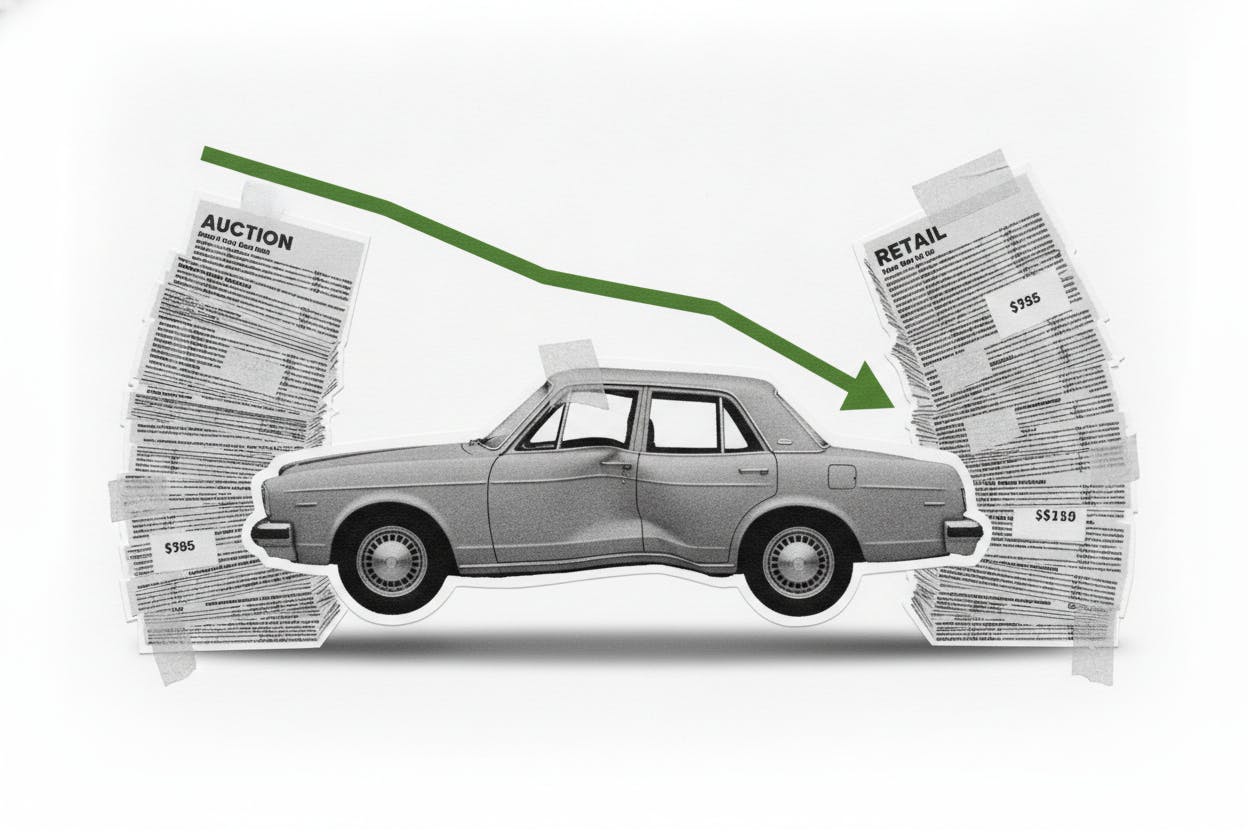
The used-car market is in an unusual spot. Supplies of newer used vehicles — typically those three to five years old — are still tight, partly because fewer new cars were sold during the pandemic-era supply chain disruptions. That scarcity has kept wholesale auction prices elevated, making it more expensive for Carvana to stock its inventory.
At the same time, dealers like Carvana can't always pass those higher costs along to customers. Retail pricing power is limited, especially as consumers face higher interest rates on auto loans and lingering inflation pressures on household budgets. The result is a squeeze on margins, even as demand for used cars remains relatively steady.
What it means for investors
For everyday investors, Carvana's forecast is a reminder that even companies with strong growth stories face real-world constraints. The used-car market is cyclical, and the current environment — tight supply, high costs, and cautious consumers — is a challenging one for any retailer.
Carvana has been working to improve its operational efficiency, including streamlining its logistics and reducing costs. The company has also been expanding its inventory sourcing to include more off-lease vehicles and trade-ins, which can help ease the pressure from tight auction supplies. But the guidance suggests those efforts haven't fully offset the market headwinds.
Investors will be watching for several things in the coming months: whether Carvana can grow its sales volume without sacrificing margins, how it manages inventory costs, and whether the broader economy — especially interest rates and consumer confidence — shifts in a more favorable direction. The company's ability to hit the upper end of its forecast range will depend heavily on those factors.
Broader market context
Carvana's news comes amid a mixed period for tech and consumer stocks. While some companies have benefited from strong demand and cost-cutting, others have struggled with rising input costs and cautious spending. The broader market has also been navigating uncertainty around interest rates and inflation, which can directly affect auto sales and financing.
For context, other companies in the auto and retail space have faced similar pressures. Smurfit Westrock recently cut its profit forecast as freight costs climbed, highlighting how supply chain and logistics expenses continue to weigh on margins across industries. Meanwhile, Bloom Energy raised its 2026 revenue forecast on surging data center demand, showing that some sectors are seeing tailwinds from structural trends.
Carvana's situation is more tied to the health of the consumer and the auto market. If the economy softens further, used-car demand could dip, adding to the pressure. On the other hand, if interest rates ease and supply chains normalize, Carvana could find itself in a stronger position.
The bottom line
Carvana's first annual forecast is a milestone, but the miss relative to expectations shows the company isn't out of the woods yet. For investors, the key takeaway is that Carvana is navigating a tough market, and its ability to deliver on the upper end of its guidance will depend on factors both within and beyond its control. As always, keeping an eye on the broader economic backdrop and the company's quarterly updates will be important for understanding how the story unfolds.