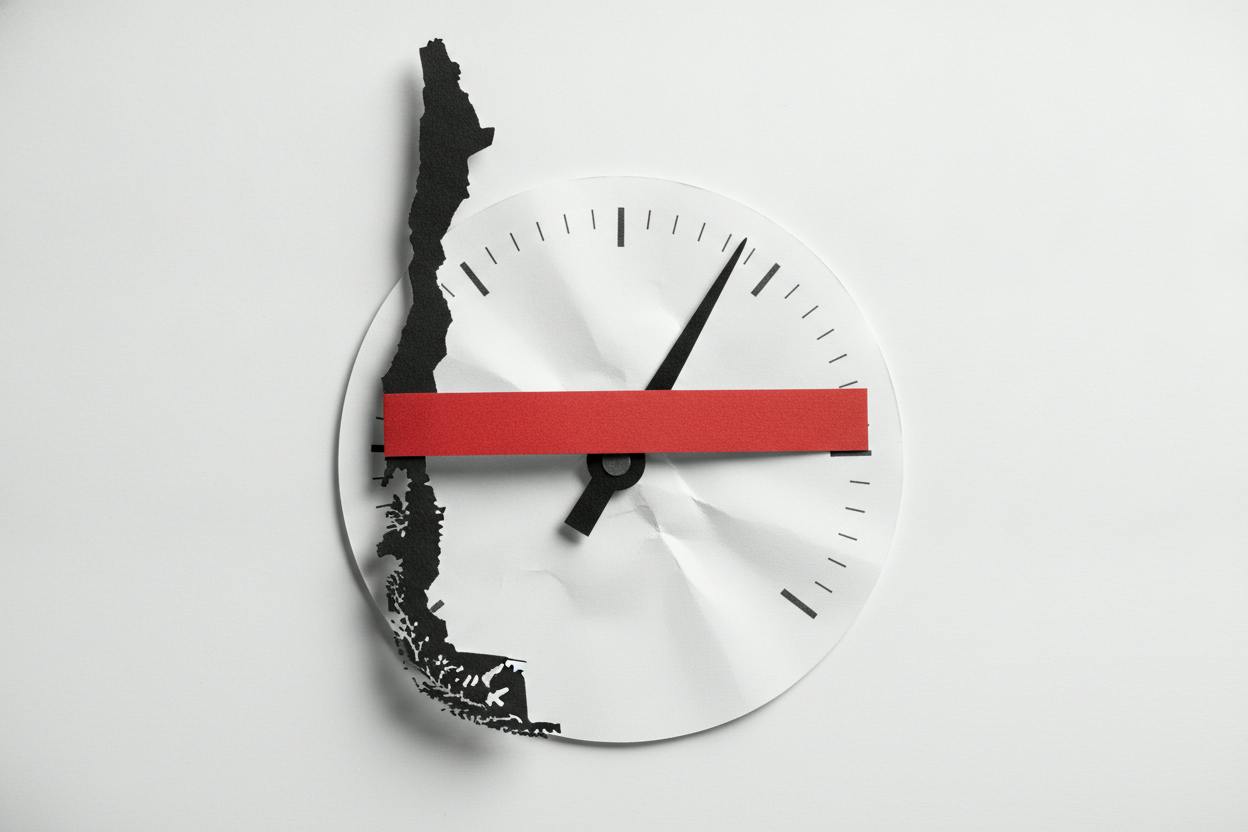
SANTIAGO – Chile's central bank extended its pause on interest rates, keeping its benchmark rate at 4.5% in a unanimous decision that matched market expectations. The move comes as inflation remains stubbornly above the bank's target and the government trims its outlook for economic growth.
Inflation in September stood at 4.1%, unchanged from the previous month and still pressing against the top of the central bank's 2%–4% target range. That leaves policymakers in a familiar bind: cut rates too soon and risk letting price pressures re-accelerate; keep policy tight for too long and add further drag to an already slowing economy.
Why the rate pause matters
Central banks use interest rates to influence borrowing costs across the economy. When rates are high, loans for homes, cars, and business investment become more expensive, which tends to cool spending and dampen inflation. When rates are low, borrowing is cheaper, which can spur growth but also risk higher prices.
Chile's central bank had been easing policy earlier this year, but it has now held steady as inflation proves stickier than hoped. The 4.1% reading is still above the midpoint of the target range, and the bank's board appears unwilling to add more stimulus until it sees clearer evidence that price pressures are fading.
The decision also comes against a backdrop of slower growth. The government recently cut its forecast for this year's economic expansion to just 0.7%, down from earlier projections. That is a modest pace for an emerging economy, and it underscores the challenge facing policymakers: they want to support growth, but they also need to keep inflation in check.
What this means for investors
For everyday investors, the rate pause has a few implications. First, it suggests that borrowing costs in Chile will stay elevated for a while longer. That can affect everything from mortgage rates to the returns on savings accounts and bonds. If you hold Chilean assets, the steady rate may provide some stability, but it also signals that the central bank is not yet confident about the inflation outlook.
Second, the slower growth forecast is a reminder that Chile's economy is facing headwinds. Lower growth can weigh on corporate earnings and stock prices, particularly for companies that depend on domestic demand. Investors with exposure to Chilean equities or funds may want to keep an eye on how the economy evolves in the coming months.
Third, the situation in Chile is part of a broader trend across emerging markets. Many central banks are grappling with the same dilemma: inflation that is cooling but not yet at target, and growth that is slowing. In Brazil, for instance, policymakers have flagged stress among low-income borrowers and are considering lending curbs. In Kazakhstan, the path for rate cuts depends on cooling inflation and the local currency. These dynamics highlight how global investors must weigh local conditions when allocating money.
For those watching the US, the Federal Reserve is also expected to hold rates steady in the near term, with traders looking for signals about a possible December move. The Fed's decisions have ripple effects worldwide, influencing capital flows and currency values in emerging markets like Chile.
What to watch next
Investors will be watching for any hints from the central bank about when it might resume cutting rates. Key data points include monthly inflation readings, which will show whether price pressures are easing enough to give policymakers room to act. Also important are updates on economic activity, as the government's growth forecast suggests the economy is struggling to gain momentum.
Another factor is the global environment. If the Fed cuts rates later this year, that could ease pressure on emerging-market currencies and give central banks like Chile's more flexibility. Conversely, if global inflation proves persistent, as some analysts worry amid an AI-driven spending boom, rates could stay higher for longer everywhere.
For now, Chile's central bank is choosing caution. The unanimous vote signals a united front, but the path ahead remains uncertain. As one analyst put it, the bank is “stuck between a rock and a hard place” – needing to support growth without letting inflation get out of hand.
For ordinary investors, the key takeaway is that Chile's economy is in a delicate phase. Keeping a diversified portfolio and staying informed about economic data can help navigate the uncertainty. As always, it's wise to consult a financial advisor before making any major investment decisions.