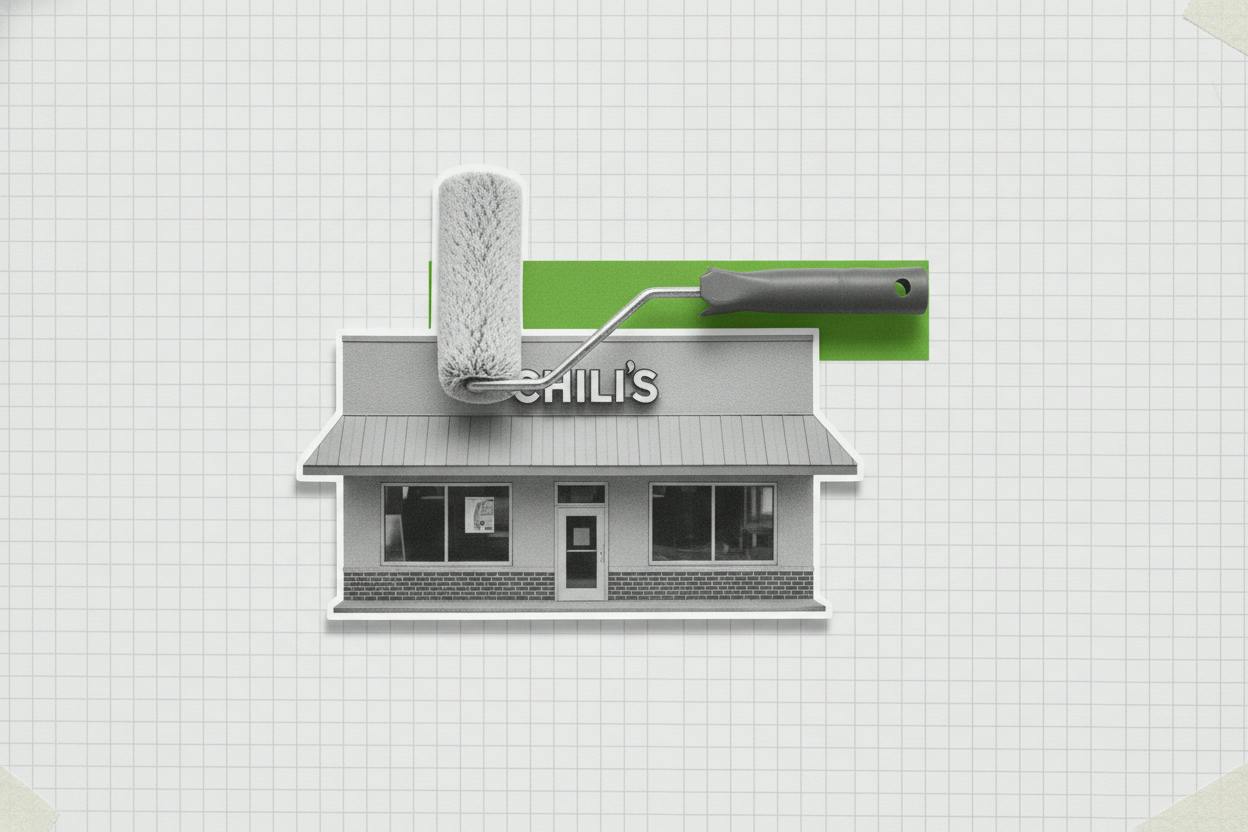
Brinker International is betting that a fresh coat of paint and updated interiors can keep customers coming back to Chili's. According to a note from UBS, the strategy is already showing early signs of working: 16 remodeled locations have delivered a 3% to 5% sales lift, and the company plans to renovate another 60 to 80 restaurants in fiscal 2027.
The investment bank's analysis suggests that Brinker's remodeling program is a key driver of its growth story. By upgrading existing locations rather than just opening new ones, the company aims to boost sales without the heavy costs of new construction. This approach is particularly important in a restaurant industry where diner traffic has been soft, even as sales figures look healthier on paper.
Why remodels matter for restaurant chains
Restaurant economics are often described as "lumpy." Once a location is staffed and the rent is paid, the marginal cost of serving an extra customer is relatively low. That means even a modest increase in sales can translate into a disproportionate gain in profit. A 3% to 5% sales lift from a remodel might not sound dramatic, but for a mature chain like Chili's, it can be a meaningful boost to the bottom line.
Remodels also serve a strategic purpose beyond immediate sales. They refresh the brand's image, making locations more appealing to both new and returning customers. In a competitive casual-dining market, where consumers have plenty of options, a modern, inviting space can be the difference between choosing Chili's or a rival.
The plan to remodel 60 to 80 more locations in fiscal 2027 suggests Brinker sees this as a scalable strategy. If the early results hold up, the company could roll out similar upgrades across its broader footprint over time.
What this means for investors
For investors, the UBS note offers a reason to be cautiously optimistic about Brinker's growth prospects. The sales lift from remodels is a concrete, measurable outcome, and the company's commitment to expanding the program signals confidence in its returns.
However, it's worth keeping the bigger picture in mind. The restaurant industry has been grappling with a persistent drop in diner traffic, even as sales growth continues. That disconnect—sales rising while foot traffic falls—suggests that higher menu prices, not more customers, are driving much of the revenue growth. Remodels can help attract diners, but they are not a cure-all for broader industry headwinds.
Investors should also consider the costs involved. Renovations require capital, and while they can pay off in the long run, they can also weigh on cash flow in the short term. Brinker's ability to execute the remodel program efficiently will be a key factor in whether it delivers the expected returns.
Looking ahead, the market will be watching how the remodeled locations perform over a longer period. A 3% to 5% sales lift is encouraging, but the real test is whether those gains are sustainable. If they are, Brinker could see a steady stream of improved results as it rolls out more upgrades.
For everyday investors, the takeaway is that Brinker is taking a measured, data-driven approach to growth. By focusing on improving existing assets rather than aggressive expansion, the company is aiming for steady, profitable gains. That's a strategy that can appeal to those looking for stability in a volatile sector.
As always, it's important to remember that past performance is not a guarantee of future results. The remodel program is still in its early stages, and many factors—from consumer spending to competition—could affect its success. But for now, the early numbers suggest that Chili's is on the right track.