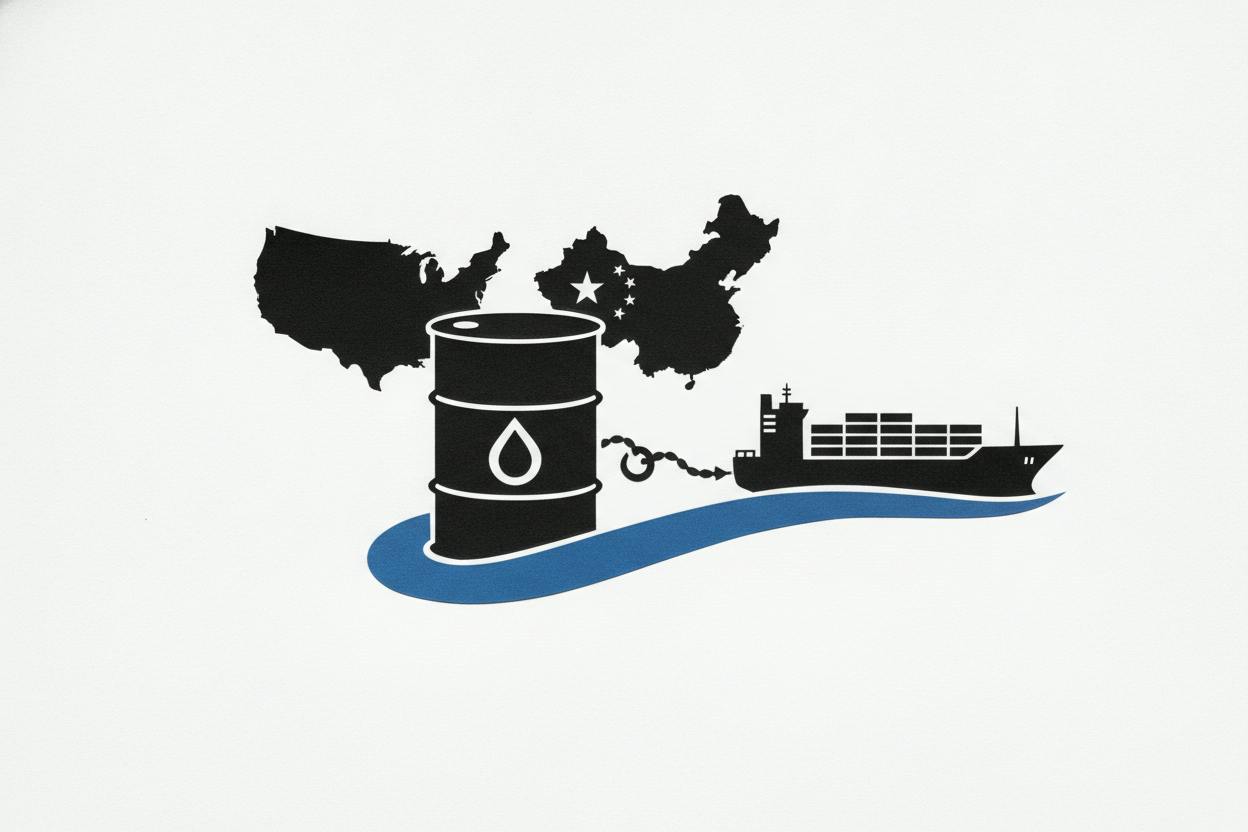
China is on track to overtake the United States as the world's biggest oil consumer by around 2034, according to a new forecast from Oxford Economics. The projection comes even as current oil prices show little reaction to the long-term shift.
The US currently consumes about 21 million barrels of oil per day, but Oxford Economics expects that figure to gradually decline over the coming decades. The main drivers: slower economic growth and continued improvements in fuel efficiency across cars, trucks, and factories.
China, meanwhile, is expected to keep increasing its oil use as its economy expands and its transportation and industrial sectors grow. By the mid-2030s, the two countries are likely to swap places in the global oil demand rankings.
Why the shift matters beyond the numbers
The change isn't just about who uses the most oil—it's about where the next barrel of demand comes from. Oxford Economics notes that the "extra" barrel of oil demanded in the future will increasingly come from Asia, not North America. That has implications for global oil markets, shipping routes, and the pricing benchmarks that investors watch.
Oil has two main price benchmarks: Brent, which reflects waterborne crude traded internationally, and West Texas Intermediate (WTI), which is more tied to US supply and demand. If demand growth shifts toward Asia, Brent could become even more influential as the global reference price, while WTI might be more affected by US production and domestic consumption trends.
For everyday investors, this means the oil market's center of gravity is moving east. Companies that produce or refine oil may see their fortunes tied more closely to Asian demand than to US gasoline consumption. That's a trend worth watching, especially for those with exposure to energy stocks or commodities.
What's behind the US decline
The US has been the world's largest oil consumer for decades, but several forces are working to reduce its appetite. Fuel efficiency standards for vehicles have been tightening for years, pushing automakers to build cars and trucks that go farther on a gallon of gas. Electric vehicles are also gaining market share, though they still represent a small slice of total US car sales.
Economic growth is another factor. As the US economy matures, its growth rate is expected to slow compared to the rapid expansion of earlier decades. Slower growth typically means less demand for oil, since oil is used in everything from manufacturing to shipping to commuting.
Industrial efficiency is also improving. Factories and power plants are finding ways to use less energy per unit of output, and some are switching to natural gas or renewables. These trends are likely to continue, gradually eroding US oil demand even as the population grows.
What it means for investors
For investors, the forecast is a reminder that long-term trends in oil demand are not static. The energy transition, efficiency gains, and shifting economic power all play a role in shaping where oil is consumed.
If China becomes the top oil consumer, it could affect the fortunes of oil producers, refiners, and even shipping companies. Asian demand growth may support oil prices in the coming years, but the eventual plateau and decline in global demand—driven by efficiency and electrification—remains a longer-term risk for fossil fuel investments.
Investors should also keep an eye on how China's economy evolves. The country has been facing its own challenges, including a property slowdown and weaker consumer confidence. Some analysts have noted that China's central bank has held key lending rates steady as it shifts its policy focus, which could influence the pace of its oil demand growth.
Meanwhile, the broader commodity complex has been under pressure. Copper prices recently slid to an eight-month low amid doubts about AI-driven demand and a strong dollar, highlighting how global growth expectations are shifting.
For those invested in energy stocks, the key takeaway is that the future of oil demand is not just about the US. The next decade will likely see Asia—led by China—become the primary driver of global oil consumption. That could mean more volatility in oil prices as the market adjusts to a new demand geography.
As always, it's important to remember that forecasts are just that—projections based on current trends. They can change if economic conditions, technology, or policy shift. But the direction is clear: the world's oil demand is moving east.