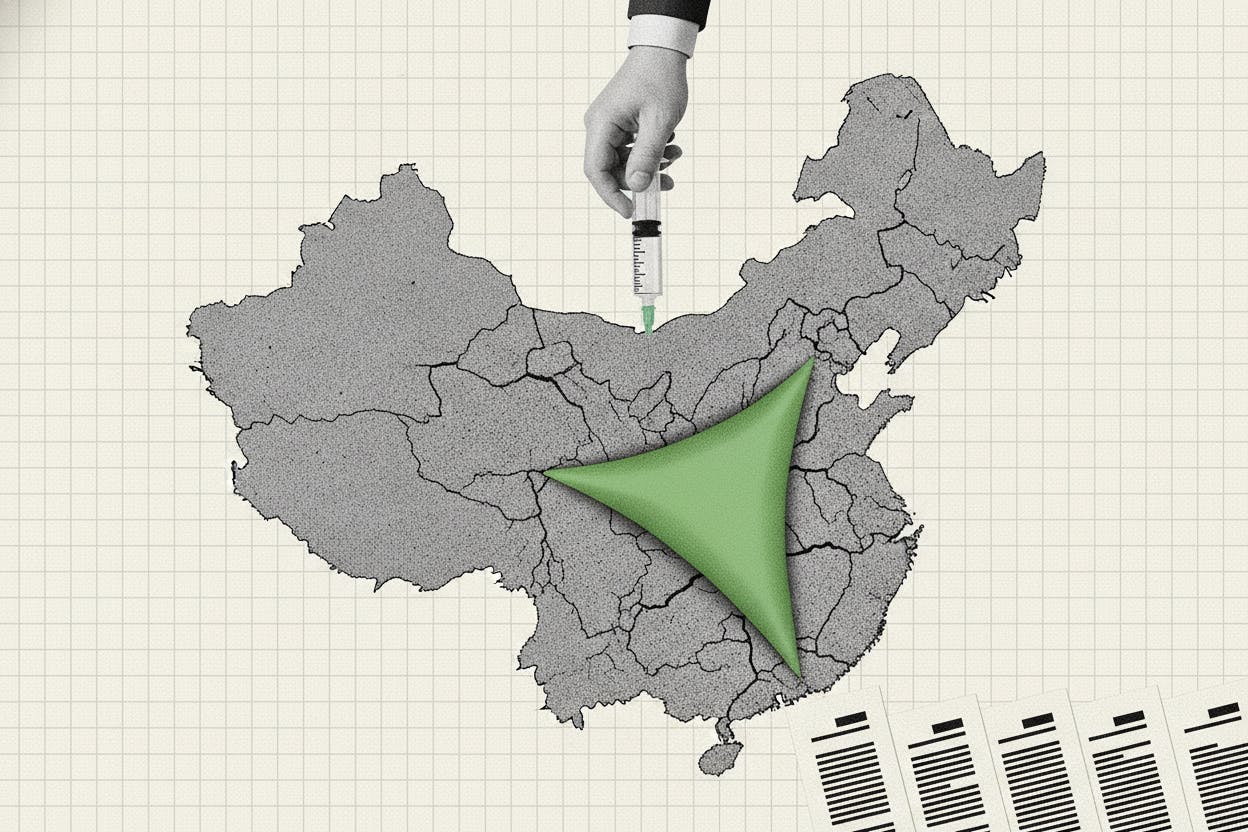
China's finance ministry is injecting 57 billion yuan (about $8 billion) into three state-owned insurers, while major state banks are preparing large A-share placements to bolster their core capital, according to Reuters. The coordinated moves underscore Beijing's determination to keep the financial system sturdy enough to support economic growth without overstretching balance sheets.
What's happening
China Life, the country's largest life insurer, will receive 35 billion yuan, and China Taiping will get 7 billion yuan to strengthen its solvency. Meanwhile, PICC, the property and casualty insurer, plans to raise up to 15 billion yuan through a private placement of A-shares to the finance ministry. These injections are aimed at shoring up the insurers' capital buffers, ensuring they can meet policyholder obligations and continue underwriting new business.
In parallel, major state-owned banks are lining up A-share placements to refill their core tier 1 capital—the highest-quality capital that acts as a cushion against unexpected losses. This type of capital is crucial for banks to maintain lending capacity and meet regulatory requirements. By raising fresh equity, banks can expand their loan books without jeopardizing their financial health.
Why it matters
Beijing's signal is clear: it wants the financial sector to keep supporting growth, but it also wants to prevent balance sheets from becoming strained. The injections come at a time when China's economy faces headwinds, including a property market downturn and sluggish consumer demand. By strengthening the capital positions of insurers and banks, the government aims to ensure that credit continues to flow to businesses and households, which is vital for economic stability.
For everyday investors, this is a reminder that state-owned financial institutions in China operate with a degree of government backing that private firms don't enjoy. When the finance ministry steps in, it's often a sign that authorities are willing to use public resources to maintain confidence in the system. That can be reassuring, but it also means these companies' fortunes are closely tied to government policy, which can shift.
What it means for investors
For investors holding shares in these insurers or banks, the capital injections are generally positive. A stronger capital base reduces the risk of financial distress and can support future dividend payments. However, the A-share placements could dilute existing shareholders' stakes, at least in the short term. The private placement to the finance ministry, as in PICC's case, is often done at a discount, which can weigh on the stock price.
More broadly, the move fits into a pattern of Beijing using state resources to stabilize key sectors. Earlier this year, the China Development Bank launched an 800 billion yuan funding push for 2026, and the government's five-year plan puts 'little giants'—innovative small and medium enterprises—at the heart of its growth strategy. These initiatives reflect a top-down approach to managing the economy, which can create opportunities but also risks for investors.
For those looking at Chinese financial stocks, it's worth watching how these capital raises are priced and whether they signal further government support. The fact that the finance ministry is directly injecting funds suggests a high level of commitment, but it also highlights the challenges the sector faces. As always, diversification and a long-term perspective are key when investing in any market, especially one as policy-driven as China's.
Looking ahead
Investors will likely keep an eye on the details of the bank placements, including the size and pricing, as well as any further government measures to support the financial system. The broader context includes China's efforts to manage its property sector and stimulate domestic demand, which are closely watched by global markets. The recent rebound in Chinese stocks, partly driven by property rallies, shows how sensitive the market is to policy signals.
For now, the capital injections are a clear sign that Beijing is willing to back its financial institutions. Whether that's enough to sustain growth in the long run remains to be seen, but it's a step that many investors will interpret as a positive, if cautious, signal.