A Beijing court has sentenced a social media blogger to 20 months in prison for staging a fake crash test video that questioned the safety of Xiaomi's SU7 electric sedan, marking a significant escalation in China's crackdown on online misinformation in the auto industry.
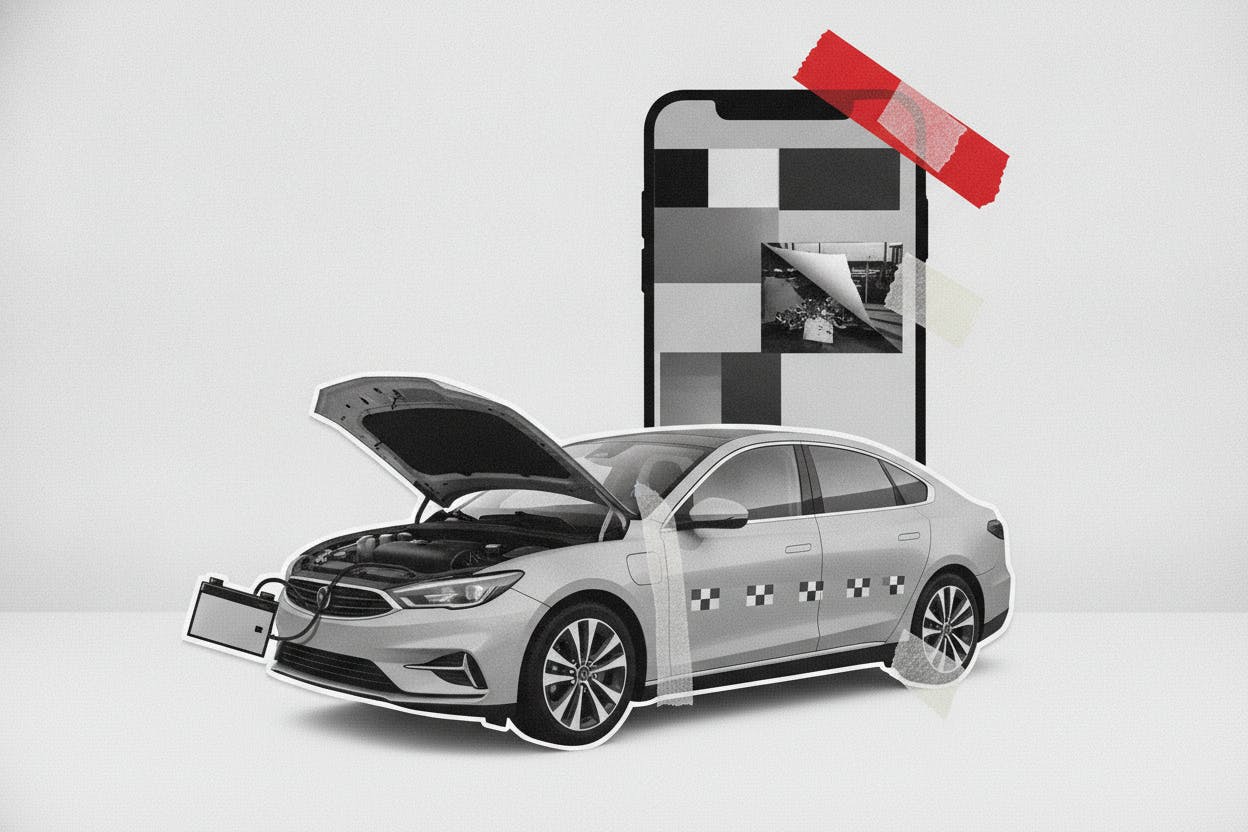
The Haidian District People's Court found Gao guilty of damaging the reputation of goods, fined him 100,000 yuan (about $14,800), and ruled that his viral video was built on fabrication, according to Beijing Daily. The August 2024 clip, posted to an account with roughly 1 million followers, drew about 3 million views by suggesting the SU7's doors wouldn't open after a crash, the emergency call system didn't trigger, and the central screen went dark.
How the Fake Test Was Staged
The court said Gao's team secretly tampered with the car's auxiliary battery before filming and even spliced in footage of a battery damaged by a forklift to mislead viewers. The video was designed to appear as an independent safety test, but investigators found it was carefully orchestrated to create a false impression of the vehicle's safety flaws.
Xiaomi, best known for smartphones and consumer electronics, entered the electric vehicle market with the SU7 in early 2024. The sedan has been a high-profile launch for the company, which is competing with established automakers like BYD and NIO in China's crowded EV market. Viral safety claims can quickly shape consumer trust in such a competitive environment, making the stakes particularly high for newer entrants.
Broader Crackdown on Auto Misinformation
This case fits a broader push by Chinese authorities to police false advertising and online misinformation in the auto sector. Regulators have been increasingly vigilant about unverified product claims, especially those that could harm the reputation of domestic brands. The Chinese government has also been tightening rules around social media content, with a focus on protecting corporate interests and maintaining market stability.
For investors, the case raises the expected penalty for creators and platforms that publish unverified crash test content. The downside is no longer just takedowns or civil lawsuits, but criminal convictions and fines. That higher enforcement risk can cool smear-style marketing and nudge the ecosystem toward clearer disclosures, documented test conditions, and third-party verification.
What It Means for Investors
For newer brands like Xiaomi Auto, this could mean less reputational tail risk during product launches. With fewer sentiment-driven price swings sparked by a single clip, investors can focus more on verifiable specs and official safety data. The case also highlights the importance of regulatory risk in China's tech and auto sectors, where government actions can quickly shift market dynamics.
Xiaomi's stock has been volatile since the SU7 launch, with investor sentiment swinging on production updates, delivery numbers, and safety perceptions. While the company has not commented directly on the case, the court's ruling could help stabilize sentiment around the brand's safety credentials.
For the broader market, this case signals that Chinese authorities are serious about policing misinformation in the auto industry. Companies like Staar Surgical and others operating in China may benefit from a more predictable regulatory environment, though the crackdown also raises compliance costs for social media platforms and content creators.
The case also comes amid a broader trend of Chinese authorities tightening control over online content. Recent moves include holding key lending rates steady and focusing on fiscal stimulus, while tech stocks have faced liquidity pressures from large IPOs like CXMT's $8.6 billion listing. The combination of regulatory tightening and market volatility means investors should stay alert to policy shifts.
Looking Ahead
Investors will watch for further cases that clarify the boundaries of acceptable product criticism versus defamation. The court's decision sets a precedent that could deter similar staged tests, but it also raises questions about free speech and consumer advocacy in China's tightly controlled media environment.
For everyday investors, the key takeaway is that regulatory risk in China's auto and tech sectors is real and can move stocks. While the Xiaomi case is specific to one blogger, it reflects a broader trend of government intervention that can affect market sentiment and company valuations. As always, focusing on verifiable data and official disclosures remains the best strategy for navigating these markets.