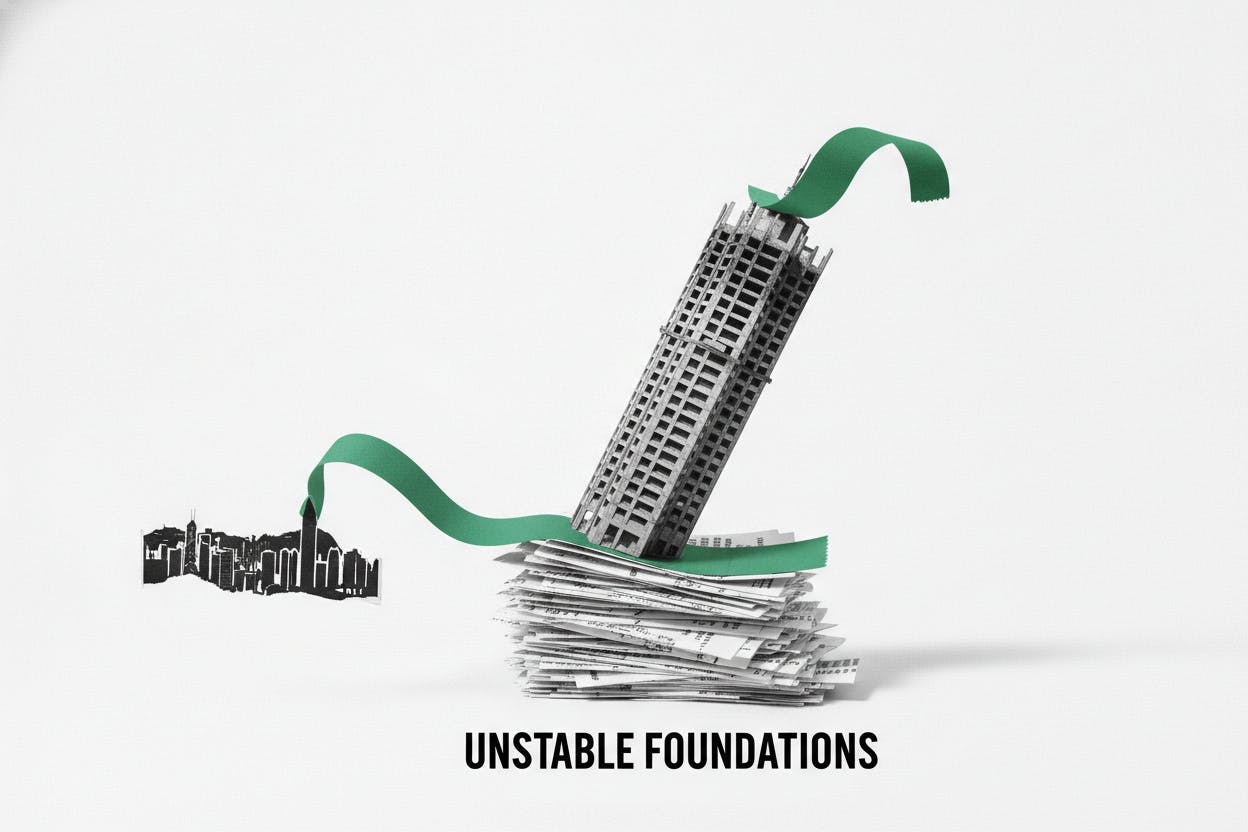
Chinese and Hong Kong stocks slipped on Monday, with real estate shares bearing the brunt of the decline after Beijing moved to tighten rules on housing presales and fresh data showed services and construction activity still struggling.
The moves underscore the challenges facing the world's second-largest economy as it tries to sustain a recovery that remains uneven across sectors.
What's driving the decline
New official readings released over the weekend painted a mixed picture of the Chinese economy. While factory activity showed some improvement in August, it remained in contraction territory. Services and construction, two areas that had been expected to lead a rebound, stayed weak.
That weakness matters because it feeds directly into investor confidence in the property sector, which remains a critical pillar of the Chinese economy. Real estate accounts for a significant share of household wealth, local government revenue, and employment.
Adding to the pressure, Beijing has introduced new limits on housing presales—the practice of selling homes before they are built. This system has long been a key financing tool for developers, allowing them to collect payments from buyers early to fund construction. According to the brief, presales still made up about 75% of new-home sales, making any restriction on this funding channel a major concern for developers.
The tighter rules are part of a broader regulatory push to reduce risk in the property market, which has been struggling with high debt levels and a slowdown in demand. While the measures aim to protect homebuyers and stabilize the market long-term, they also squeeze developers' cash flow in the short term.
A two-speed economy
The data highlights what analysts describe as a two-speed economy. Manufacturing, while still contracting, is showing signs of stabilization, helped by export demand and government support for industrial sectors. Services and construction, on the other hand, remain mired in weakness, reflecting subdued consumer confidence and the ongoing property downturn.
This divergence complicates the policy outlook. If the recovery continues to be uneven, Beijing may face pressure to roll out more targeted stimulus measures. However, the government has so far shown caution, preferring to avoid the kind of broad-based stimulus that could fuel new imbalances.
For investors, the key question is whether the property sector can stabilize without further shocks. The presale restrictions, while aimed at reducing systemic risk, could accelerate the decline in new-home sales in the near term, putting more strain on developers' finances.
What it means for investors
For everyday investors, the immediate takeaway is that Chinese property stocks remain highly sensitive to policy changes and economic data. The sector has been volatile for years, and Monday's decline is a reminder that regulatory shifts can have outsized effects on share prices.
Investors with exposure to Chinese equities, whether through individual stocks or broader funds, should be prepared for continued turbulence. The property sector's troubles are not new, but the latest measures suggest that policymakers are still willing to accept short-term pain for long-term stability.
It's also worth noting that the weakness in Chinese markets comes against a backdrop of global uncertainty. Trade tensions, geopolitical risks, and concerns about global growth all continue to weigh on investor sentiment. For those with diversified portfolios, the key is to avoid overreacting to any single day's move.
As always, it's important to remember that market movements like Monday's are part of the normal ebb and flow. The Chinese economy is large and resilient, and policymakers have a range of tools at their disposal. But for now, the path forward remains uncertain, and investors should keep a close eye on both economic data and policy announcements.
Related reading: consumer stocks rise despite weak sentiment and Swiss stocks edge higher on brighter outlook.



