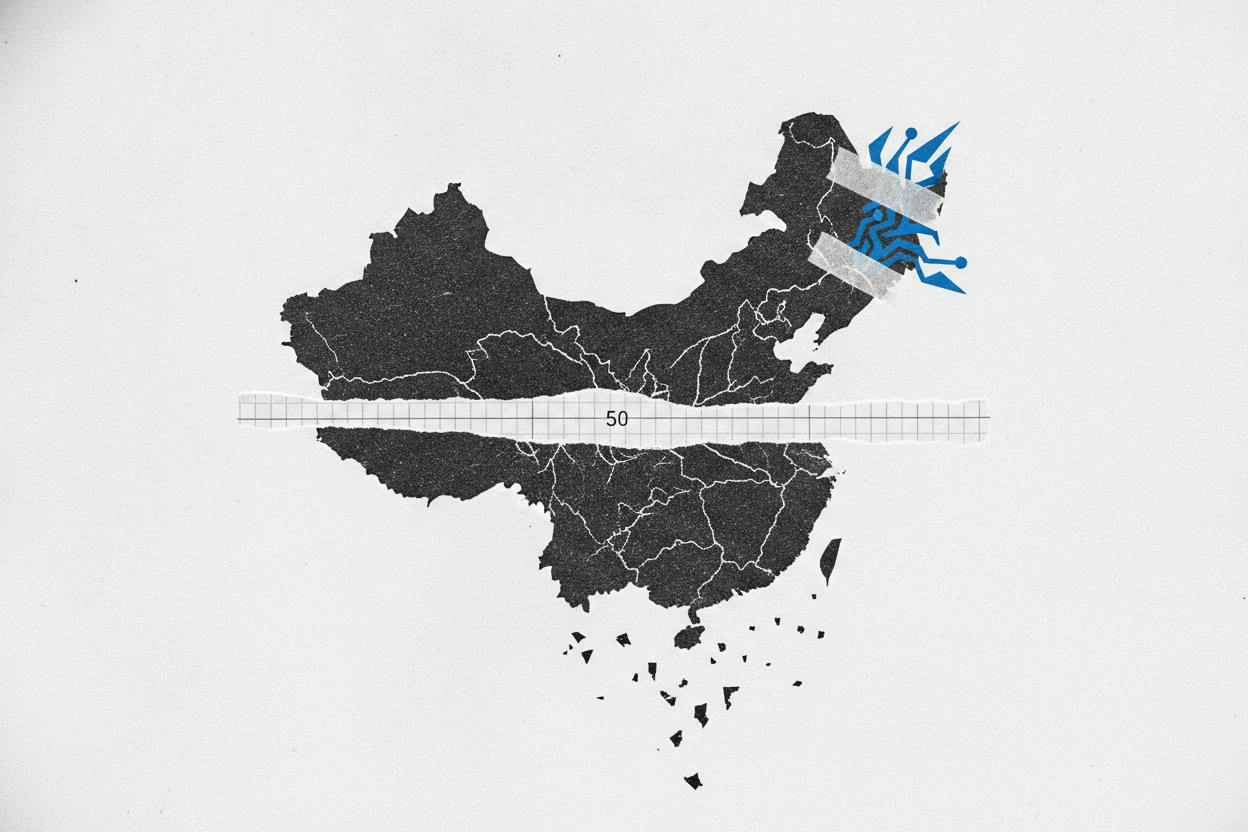
China's factory-gate inflation picked up steam in October, even as consumer prices remained subdued. Data from the National Bureau of Statistics, cited by Reuters, showed the producer price index (PPI) rose 5.7% from a year earlier, up from 5.0% in September. Meanwhile, the consumer price index (CPI) cooled to 0.7%, down from 0.9% the previous month.
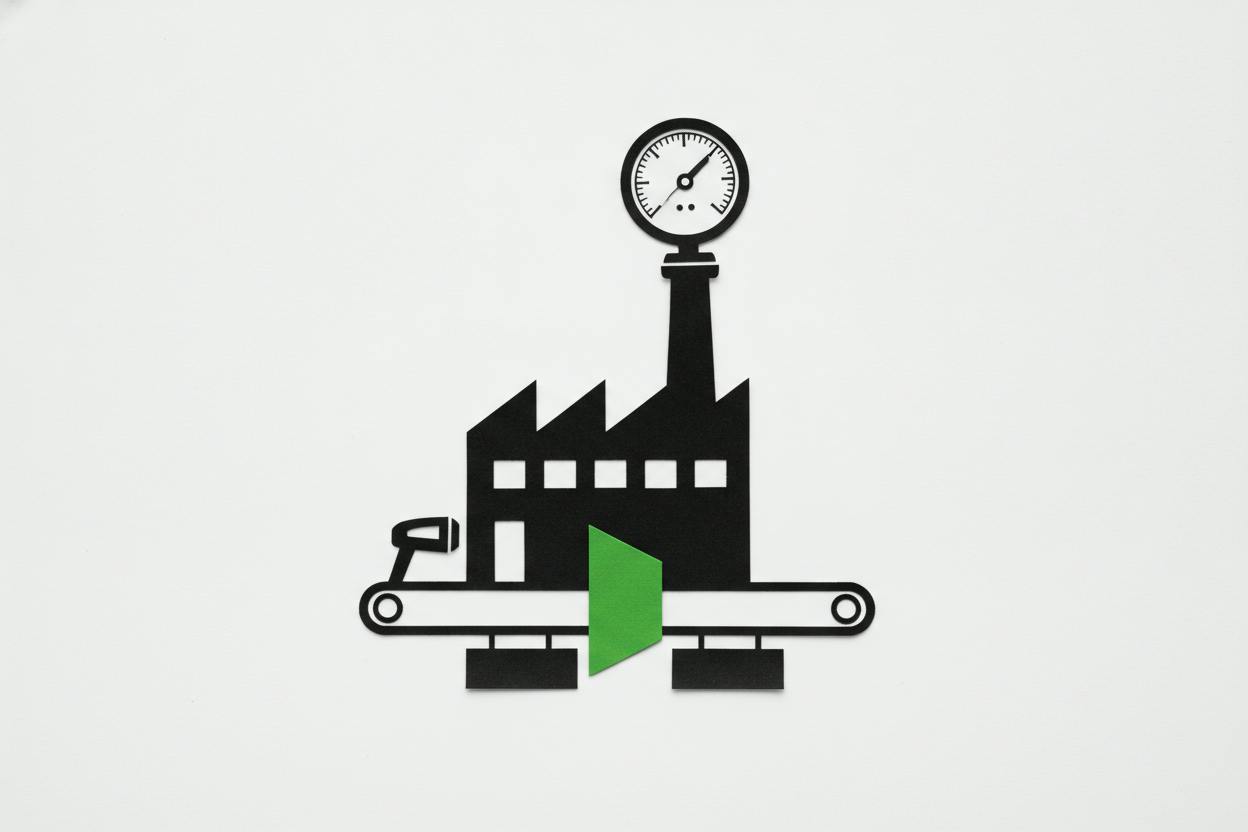
The divergence between the two measures is a key signal for investors. PPI tracks the prices factories receive for their goods, while CPI measures what consumers pay. When PPI runs far above CPI, it often means businesses are facing higher input costs but can't pass them on to shoppers—a classic margin squeeze.
What's driving the gap?
The acceleration in producer prices was largely fueled by energy-related costs. Oil, gas, coal, chemicals, and other power-intensive industries saw the biggest increases, reflecting higher global energy prices and supply constraints. These costs hit manufacturers at the factory gate, but they haven't yet shown up at the checkout counter.
Consumer inflation was flat from September, and "core" inflation—which strips out volatile food and energy prices—eased to 0.8% from 1.0%. That suggests domestic demand remains soft. Shoppers aren't seeing higher prices, but they also aren't spending enough to give retailers and manufacturers pricing power.
This pattern is not new. In recent years, China has experienced periods where producer prices outpaced consumer prices, often due to commodity price swings. But the current gap is particularly wide, and it highlights a structural challenge: downstream businesses are absorbing cost increases rather than passing them along.
Why it matters for investors
For markets, the 5.7% PPI versus 0.7% CPI gap looks like a margin squeeze, not a consumer-price problem. When companies can't fully pass on higher input costs, their profit margins shrink. Analysts often respond by trimming earnings forecasts for manufacturers and exporters, especially those in energy-intensive sectors.
Exporters face an additional headwind if the yuan strengthens. A stronger currency means they earn less in local-currency terms for goods sold abroad, while still paying more for energy-intensive inputs. That combination can hit profits twice.
The broader implication is that this inflation mix can keep a lid on confidence in China-focused stocks, even though it doesn't signal runaway inflation for households. Investors may see this as a sign that corporate earnings could come under pressure before sales volumes recover.
Exports have been a relative bright spot for China's economy, but the outlook is uncertain. Global trade frictions, currency fluctuations, and a less predictable international environment can make that support less reliable. As China's anti-smog curbs and other policy measures affect industrial activity, the picture for manufacturers remains mixed.
What to watch next
Investors will be watching whether the PPI-CPI gap narrows in the coming months. If energy prices stabilize or consumer demand picks up, the squeeze could ease. But if input costs stay high and demand remains weak, the margin pressure could persist.
For everyday investors, the key takeaway is that this data point is more about corporate profits than household inflation. It's a reminder that what happens at the factory gate doesn't always reach the shopping cart—and that can have big implications for the companies you own.
As always, it's important to consider how these trends fit into the broader economic picture. China's inflation dynamics are just one piece of the global puzzle, but they can ripple through markets worldwide, affecting everything from commodity prices to emerging-market equities.