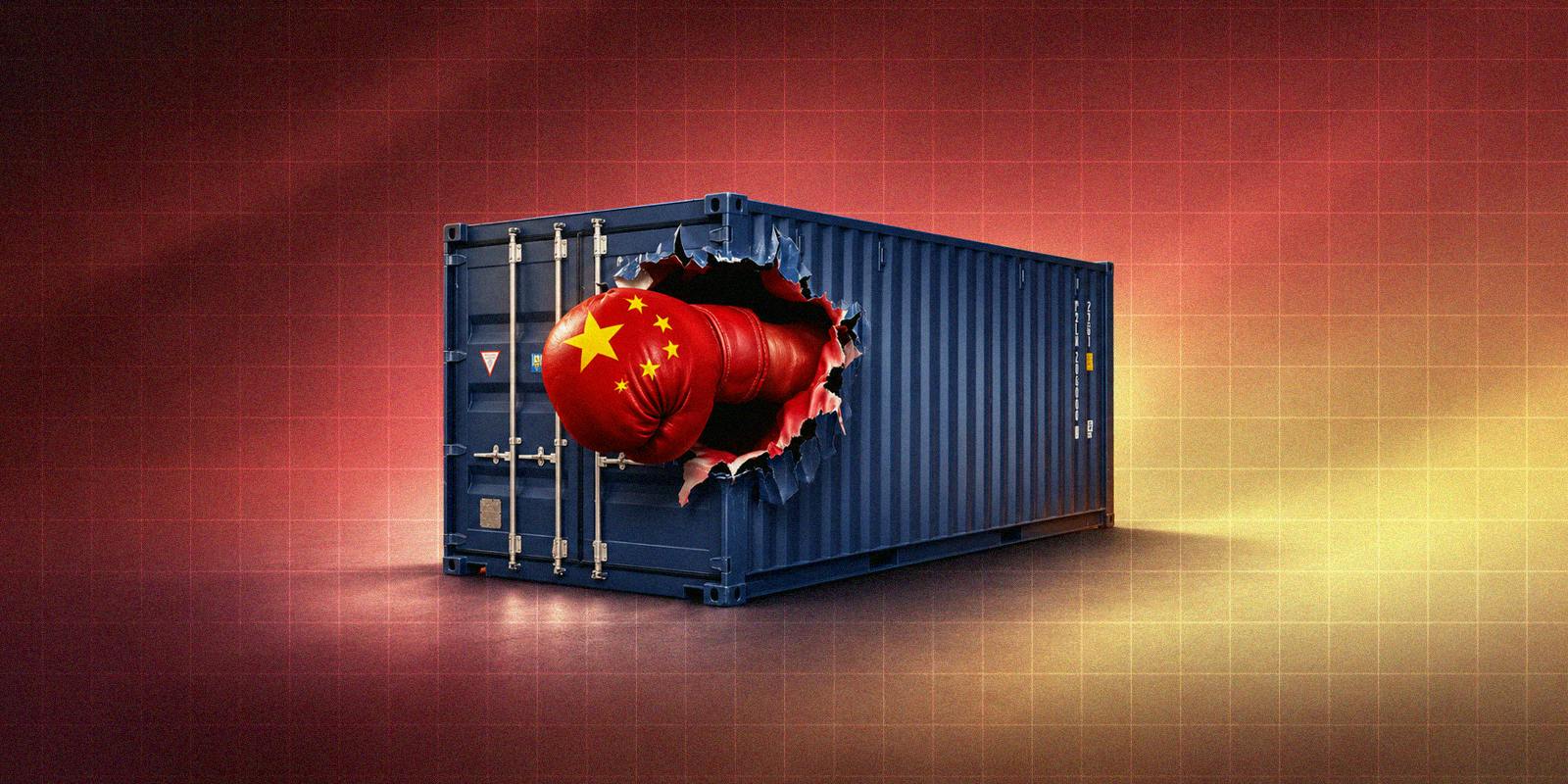
China's trade surplus has reached a record $1.04 trillion in the first ten months of the year, a 9% increase from the same period last year. October alone contributed a hefty $105 billion surplus, even as imports grew faster than exports. This milestone underscores China's manufacturing might but also intensifies trade tensions with its major partners.
Why the surplus is so large
The surplus reflects China's role as the world's factory floor. It exports far more goods—from electronics to machinery—than it imports. In recent years, the composition has shifted toward high-tech and green products, including solar panels, electric vehicles (EVs), and batteries. These are exactly the goods that have been flooding into Europe, where they are often cheaper than locally made alternatives.
The European Union accounts for nearly a third of China's surplus. European manufacturers, particularly in the auto and renewable energy sectors, have struggled to compete with the price advantage of Chinese products. This has prompted the EU to consider measures to reduce its reliance on Chinese supply chains, aiming to protect its industries and jobs.
US tariffs and rare earth leverage
China's trade surplus with the United States is smaller, at $266 billion, partly because American carmakers have been shielded by tariffs exceeding 100% on Chinese EVs. However, China holds its own leverage: rare earths. The country mines up to 70% of the global supply and processes about 90%. These minerals are essential for everything from smartphones to fighter jets, giving China significant bargaining power in trade negotiations.
This leverage will be on display at this month's APEC summit, where Chinese and American leaders are set to meet. The trade relationship is already strained by disputes over technology and intellectual property, and the rare earth card could be a key point of discussion.
AI chips and export controls
Another flashpoint is technology. The US has sought to deny China access to advanced semiconductors, particularly those made by Nvidia, to slow its AI development. However, reports suggest that Nvidia's chips have still found their way to Chinese AI firms, including DeepSeek and Moonshot. This has raised questions about the effectiveness of export controls and even sparked a probe into Nvidia's sales practices. The Nvidia China probe has rattled markets, and tensions could escalate further when the two leaders meet.
What it means for investors
For everyday investors, China's record surplus is a double-edged sword. On one hand, it signals that Chinese exporters remain highly competitive, which can be positive for global growth and for companies that rely on Chinese goods. On the other hand, it heightens the risk of trade retaliation, which could disrupt supply chains and hurt multinational companies.
The EU's response to Chinese imports, particularly in solar and EVs, could lead to tariffs or other restrictions. This would affect not only Chinese manufacturers but also European companies that use Chinese components. Similarly, US-China tensions over rare earths and AI chips could create volatility in tech stocks. The recent market jitters show how sensitive investors are to these geopolitical risks.
Investors should also watch the broader economic backdrop. A large surplus can put upward pressure on China's currency, which might affect global trade flows. Additionally, the surplus could influence central bank policies, as seen in the recent dollar strength amid inflation concerns.
The bottom line
China's trillion-dollar surplus is a testament to its manufacturing prowess, but it also fuels trade frictions that could have far-reaching consequences. For investors, staying informed about these developments is crucial, as they can impact everything from stock prices to currency values. As always, diversification and a long-term perspective remain key strategies for navigating such uncertainties.