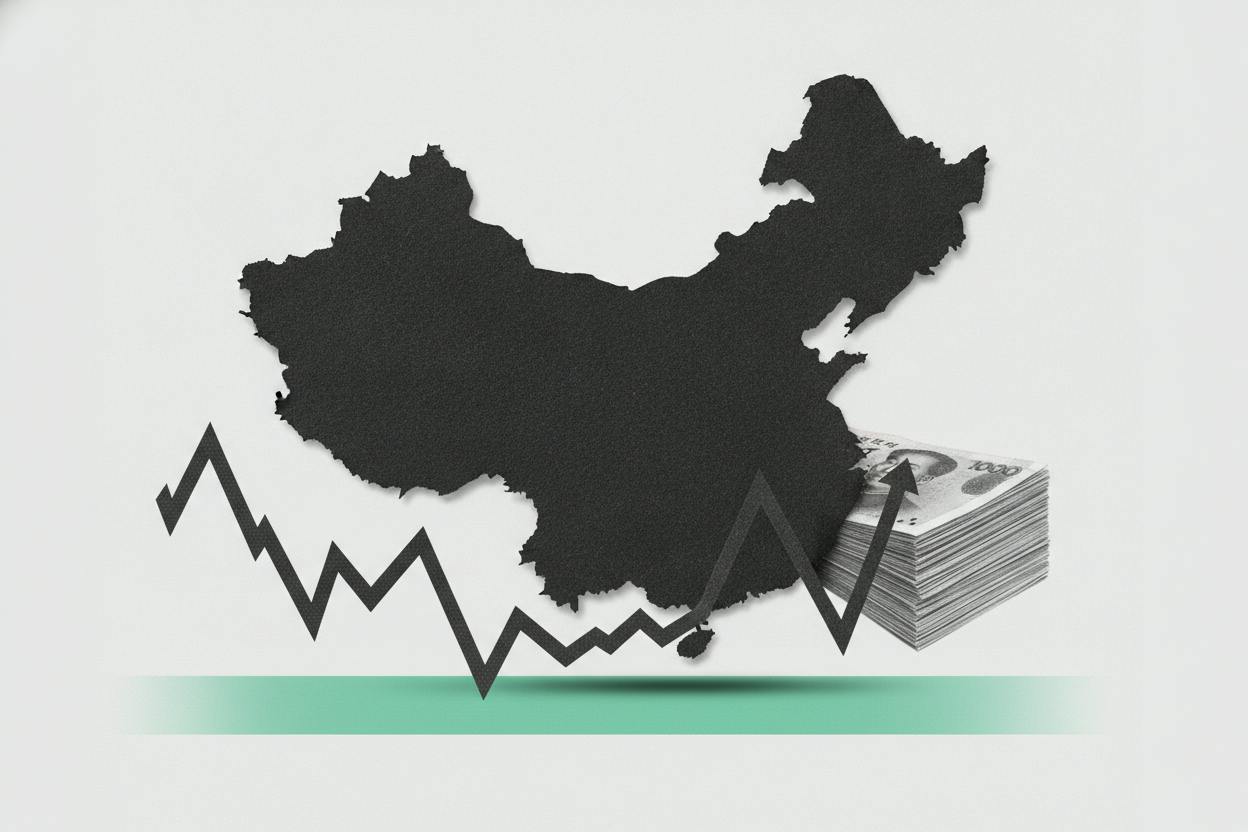
China's top securities regulator is stepping up its efforts to stabilize a struggling stock market, floating ideas like bigger dividend payouts and more long-term, or “patient,” capital. The move comes after a fresh slide in equities that pushed a key benchmark to a one-year low.
Over the weekend, China Securities Regulatory Commission (CSRC) Chair Wu Qing met with listed companies, brokers, and fund managers to gather ideas for shoring up the market, according to a CSRC statement. The menu of proposals was straightforward: encourage companies to pay higher dividends, expand long-term investing, and add other “market-friendly” steps.
The timing is significant. On Friday, the CSI 300 index—which tracks the largest stocks on China's exchanges—hit its lowest level in a year. The tech-heavy STAR 50 index, which focuses on innovative companies, has also been under pressure. The slide reflects broader investor unease about the world's second-largest economy, from sluggish growth to geopolitical tensions.
What is “patient capital”?
“Patient capital” is a term for money that is willing to stay invested for years rather than chasing quick gains. In China's context, it often refers to institutional investors like pension funds, insurers, and sovereign wealth funds—players that can ride out short-term volatility and provide a stable base for the market.
Chinese regulators have long wanted to shift the market's retail-heavy investor base toward more institutional, long-term participation. Retail investors, who dominate trading in Shanghai and Shenzhen, tend to react emotionally to headlines, amplifying swings. More patient capital could, in theory, reduce that volatility and support valuations.
The push for higher dividends is also aimed at attracting long-term investors. Companies that pay consistent, generous dividends offer a tangible return even when share prices are stagnant. For investors, dividends can act as a cushion during downturns and signal that management is confident about cash flow.
State-favored ETFs see a late-Friday spike
Adding to the sense that officials are stepping in, trading volumes in state-favored exchange-traded funds (ETFs) surged late on Friday. These are funds that often track major indices and are seen as vehicles for government-backed buying. A spike in their volume has, in the past, been interpreted as a sign of official support—sometimes called the “national team” stepping in to prop up prices.
While the CSRC did not confirm any direct buying, the timing of the volume jump, right before the weekend seminar, has revived talk that authorities are prepared to act. Similar patterns have been observed in previous market downturns, when state-linked funds bought ETFs to steady the market.
The broader backdrop is one of persistent weakness. Chinese stocks have lagged global peers for years, weighed down by concerns about property sector troubles, weak consumer confidence, and slower growth. The government has rolled out various stimulus measures, but markets have often been unimpressed, waiting for more concrete results.
What it means for investors
For everyday investors, the key takeaway is that Chinese authorities are clearly uncomfortable with the current slide and are signaling they want to support the market. But promises and seminars are not the same as action. Investors should watch for concrete follow-through, such as actual increases in dividend payouts by major companies or new rules that make it easier for long-term funds to enter the market.
The ETF volume spike is a more tangible sign of support, but it is not a guarantee of a sustained rally. State buying can provide a floor, but it rarely creates a lasting bull market on its own. Fundamentals—like corporate earnings and economic data—will ultimately matter more.
For those with exposure to Chinese equities, the news is mildly positive but not a game-changer. It suggests that policymakers are attentive and willing to use tools at their disposal. But the market's direction will depend on a broader set of factors, including how the economy performs and whether global investors regain confidence in China's growth story.
As always, it's wise to keep a long-term perspective. Short-term market moves driven by policy headlines can be noisy. The push for higher dividends and patient capital, if it takes hold, could be a positive structural shift for Chinese markets—but it will take time to play out.