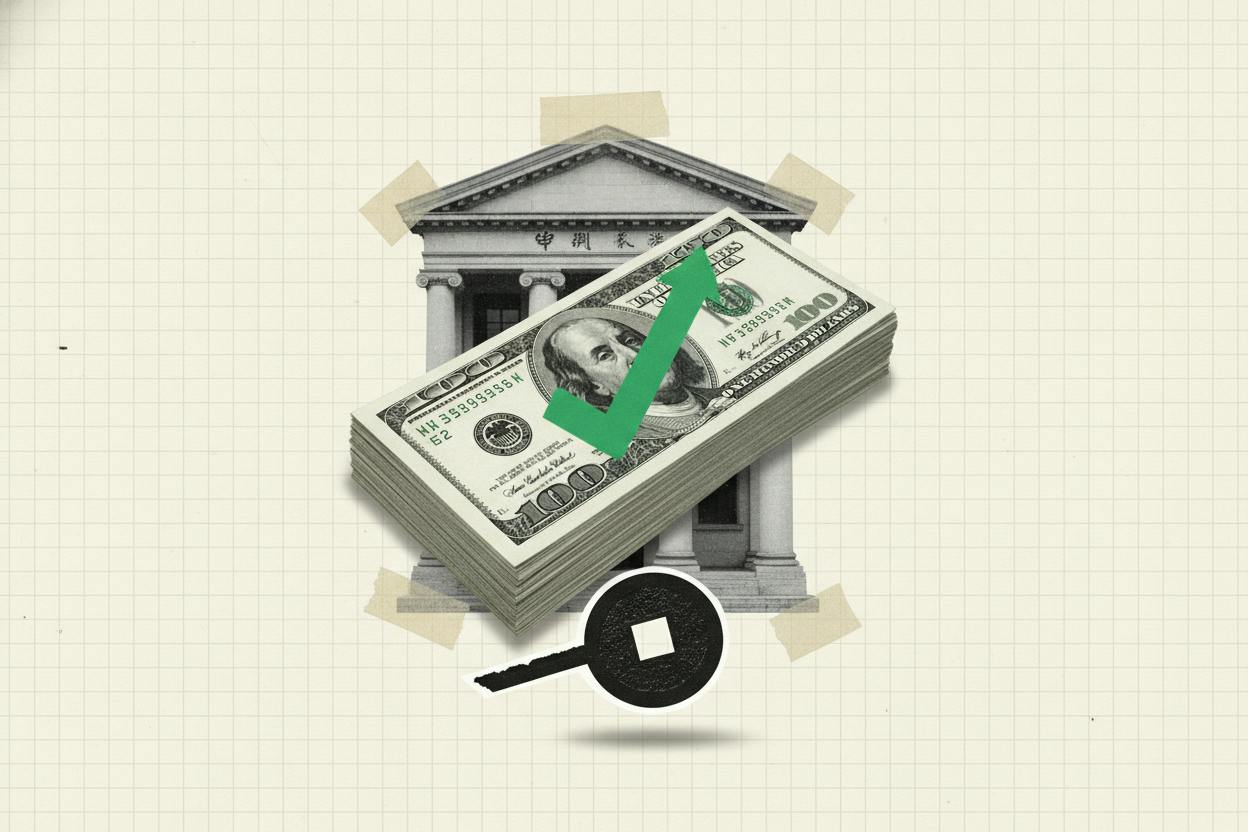
Chinese banks are turning up the heat on US dollar deposits, offering rates above 4% to entice savers and exporters to hold onto their greenbacks rather than converting them into yuan. The move, reported by Reuters, is a deliberate effort to cool the yuan's recent strength by reducing the supply of dollars being sold for the Chinese currency.
For everyday investors, this is a reminder that central banks and governments often use interest rates as a tool to manage currency values. By making dollar deposits more attractive, Beijing hopes to slow the yuan's appreciation, which can hurt Chinese exporters by making their goods more expensive abroad.
Why the sudden shift?
China's major state-owned lenders typically offer around 0.95% on yuan deposits. In contrast, some are now offering 4% to 4.5% on larger dollar deposits—a significant jump that Reuters says is the highest level since at least 2023. More than six lenders, including state-owned and foreign banks, have raised these rates. One bank is even offering to match SOFR, a widely used short-term US interest rate, which currently sits above 4%.
The logic is straightforward: if exporters earn dollars from selling goods abroad, they usually convert those dollars into yuan to pay workers and suppliers. But with dollar deposit rates now far exceeding yuan rates, many may choose to keep their earnings in dollars instead. That reduces the demand for yuan, helping to ease upward pressure on the currency.
This is not an isolated move. Around the world, central banks and governments often intervene in currency markets when they feel a currency is moving too fast. For instance, India's central bank has been known to step in when the rupee strengthens too quickly, as recent reports on the rupee's six-month high illustrate. Similarly, the yuan has been in focus as seasonal flows and dollar strength have kept it relatively stable.
What does this mean for the yuan and global markets?
The yuan has been under pressure from both sides. On one hand, a strong US dollar, buoyed by hot US jobs data and expectations of Federal Reserve rate hikes, has pushed the dollar higher against many currencies. On the other hand, China's economic recovery has attracted foreign capital, supporting the yuan.
By raising dollar deposit rates, Chinese banks are effectively making it more expensive for exporters to convert their dollars. This could slow the yuan's appreciation, which might be welcome news for Chinese exporters who have been squeezed by a stronger currency. It could also reduce the need for the People's Bank of China to intervene directly in the foreign exchange market.
For global investors, the move signals that China is willing to use market-based tools to manage its currency. It also highlights the growing attractiveness of dollar assets, especially as US interest rates remain elevated. The impact on gold and other dollar-denominated assets could be significant, as higher dollar rates tend to make non-yielding assets like gold less appealing.
What it means for investors
For everyday investors, this development underscores the importance of currency movements in portfolio returns. If you hold yuan-denominated assets, a stronger yuan could boost your returns when converted back to dollars. But if you're a US-based investor, a weaker yuan could reduce the value of your Chinese investments.
The higher dollar deposit rates in China also reflect the broader trend of rising global interest rates. As the Federal Reserve has hiked rates, dollar deposits have become more attractive worldwide. This could lead to more capital flowing into the US, further strengthening the dollar—a trend that has been seen in other currencies like the Australian and New Zealand dollars.
Investors should also watch how this affects Chinese exporters and the broader economy. A slower yuan appreciation could help maintain China's export competitiveness, which is crucial for global supply chains. However, it could also mean less purchasing power for Chinese consumers buying imported goods.
In the end, this is a classic example of how central banks and governments use interest rates to influence currency values. For investors, staying informed about these moves can help you anticipate shifts in global capital flows and adjust your portfolio accordingly—though it's always wise to consult a financial advisor before making any major changes.