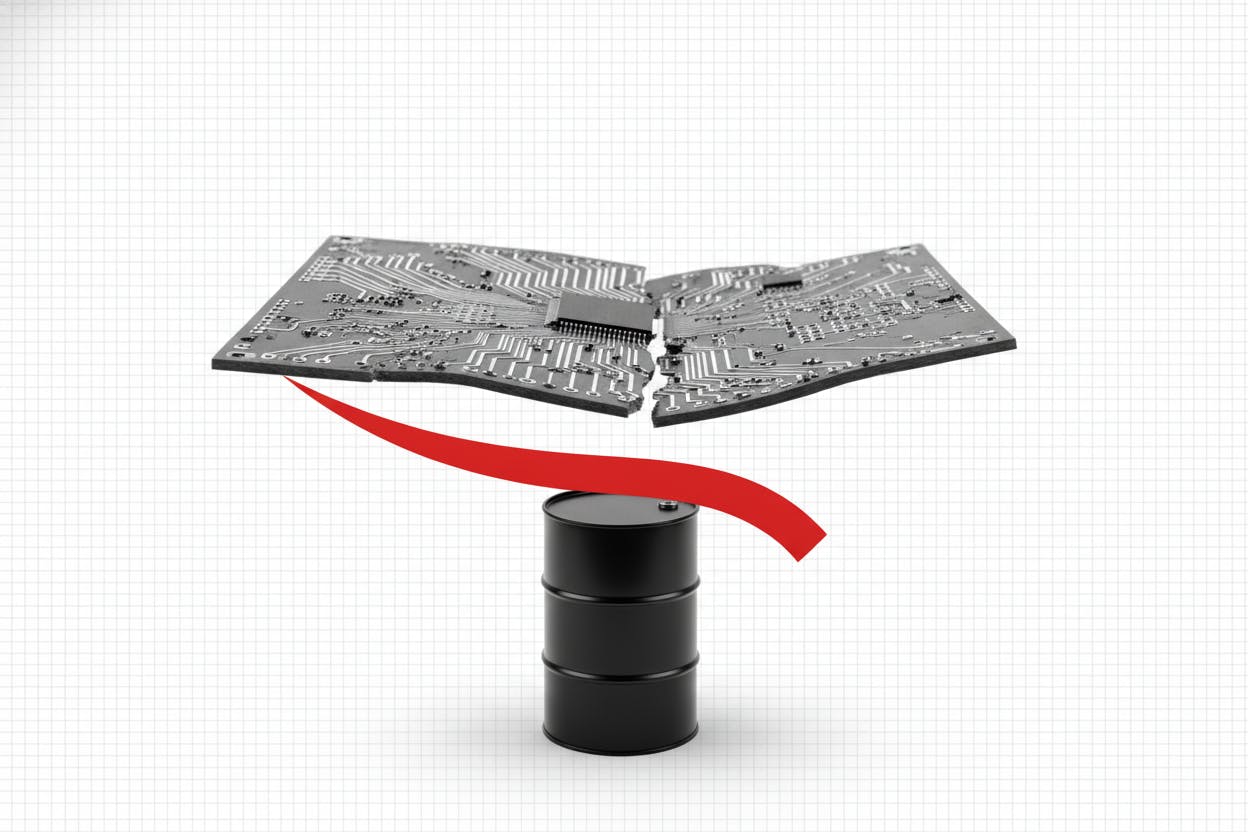
Global markets found some footing Monday as semiconductor shares rebounded from a recent slump, even as oil prices crept higher on renewed geopolitical risks in the Middle East. The dual narrative left investors balancing optimism about tech with caution over energy supply disruptions.
Chip stocks lead the recovery
The Philadelphia Semiconductor Index, a closely watched benchmark for chip makers, rose about 1.5% on Monday. That bounce came after the index had fallen more than 20% from its late-June peak, a drop that had rattled tech investors and dragged down broader indexes. The recovery helped lift the Nasdaq and the S&P 500, signaling that some buyers saw the pullback as a buying opportunity.
Semiconductor stocks are often seen as a bellwether for the broader tech sector and the economy, because chips are used in everything from smartphones to cars to data centers. A sustained decline in chip shares can signal weakening demand or broader economic concerns, while a rebound can restore confidence. Monday's move suggests that investors are still weighing the sector's long-term growth prospects against near-term headwinds like rising interest rates and geopolitical uncertainty.
For everyday investors, the chip sector's volatility underscores the importance of diversification. While tech stocks have been a major driver of market gains in recent years, they can also be prone to sharp swings. The recent pullback in semiconductors is a reminder that even high-growth sectors can face turbulence.
Oil edges higher on Middle East risks
On the energy front, Brent crude oil rose 0.6% to $88.63 per barrel, hovering near the $89 mark. The increase came as traders monitored diplomatic signals involving Iran and fresh threats from Yemen's Iran-aligned Houthi group, which has talked up a naval blockade against Saudi Arabia. Such a blockade could disrupt oil shipments through key shipping lanes, potentially squeezing global supplies and pushing prices higher.
The Houthi threats add to a complex geopolitical picture in the Middle East, where tensions have been simmering for months. Investors are also watching for any escalation involving Iran, a major oil producer, which could have significant implications for energy markets. The situation is fluid, and any concrete disruption to shipping or production could send oil prices sharply higher.
Higher oil prices can have mixed effects on the broader economy. While they boost profits for energy companies and oil-exporting nations, they also raise costs for consumers and businesses, potentially fueling inflation. For investors, this means keeping an eye on energy stocks, which have been a bright spot this year, as well as sectors that are sensitive to fuel costs, like airlines and transportation.
For context, oil prices have been volatile in 2024, with Brent ranging from the mid-$70s to above $90. The current level near $89 is elevated but not unprecedented. Investors will be watching for any diplomatic breakthroughs or further escalation that could shift the trajectory.
What it means for investors
Monday's market action highlights the tug-of-war between two powerful forces: the tech sector's recovery potential and the energy market's geopolitical risks. For everyday investors, the key takeaway is that markets are rarely driven by a single factor. Instead, they reflect a complex interplay of economic data, corporate earnings, and global events.
The chip stock rebound is a positive sign for tech-heavy portfolios, but it doesn't erase the sector's recent losses. Investors should consider whether their exposure to semiconductors aligns with their risk tolerance and long-term goals. Similarly, the rise in oil prices is a reminder that energy stocks can provide a hedge against inflation and geopolitical shocks, but they also carry their own risks.
Looking ahead, markets will likely continue to react to developments in the Middle East, as well as upcoming economic data and corporate earnings reports. The Coca-Cola earnings and Netflix bond market return are among the events that could provide further clues about consumer health and corporate borrowing costs. Meanwhile, the oil stocks rise amid US-Iran talks shows that diplomatic efforts can also influence energy prices.
Ultimately, Monday's session was a reminder that markets can find stability even amid uncertainty. For investors, staying informed and maintaining a balanced portfolio remains the most reliable strategy.