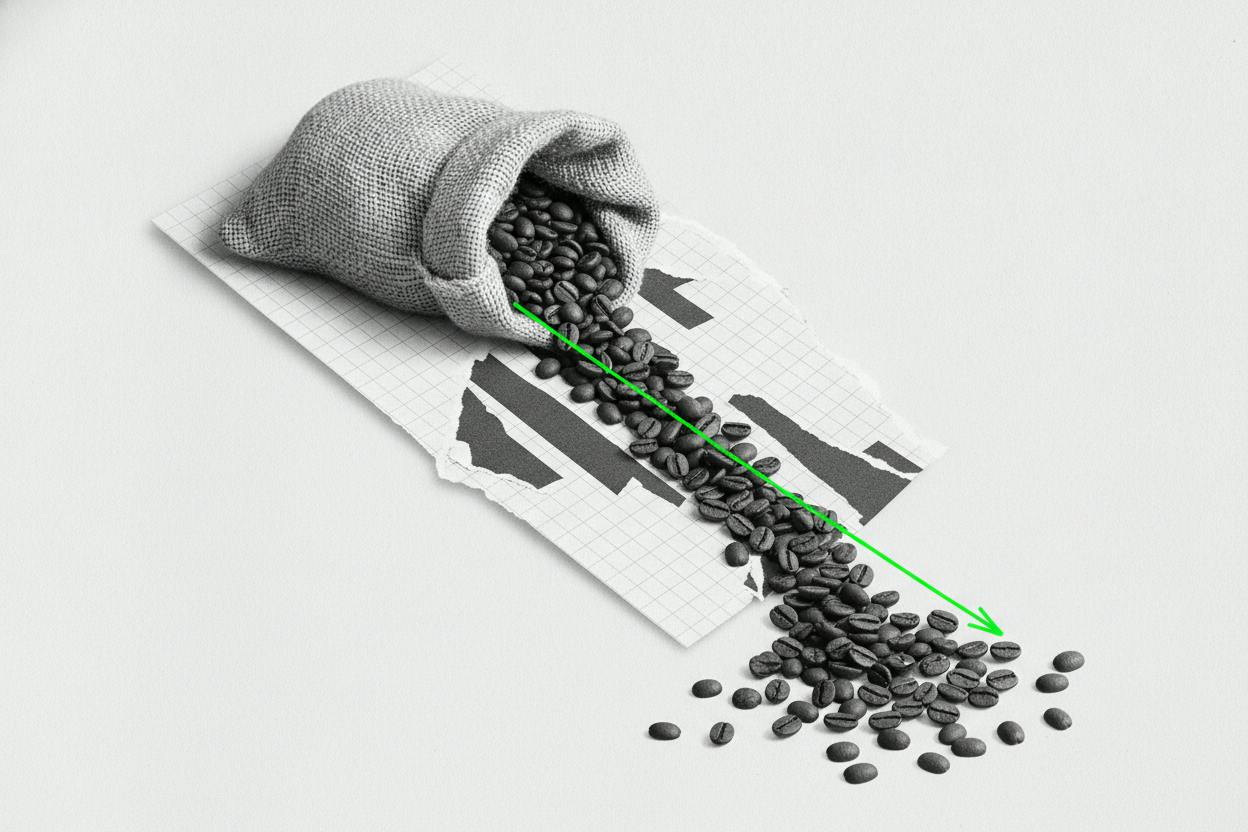
Coffee drinkers and investors may get some relief at the pump—or rather, at the café—as one of the world's largest banks predicts prices will cool from their recent highs. Citi expects ICE arabica coffee futures to slide to $2.50 per pound within three months, and to $2.25 over the next twelve months, as global supply conditions improve.
The forecast comes after a period of elevated coffee prices, driven by tight supplies and strong demand. But Citi believes the market is nearing an inflection point, with beans becoming easier to find as key producers ramp up exports.
What's Driving the Expected Price Drop?
Citi points to two main factors behind its bearish outlook: strong Brazilian exports and higher estimates for Vietnam's robusta crop. Brazil, the world's largest coffee producer, has been shipping more beans, while Vietnam—the top robusta grower—is expected to produce a larger harvest. Together, these add supply to a market that has been constrained.
Robusta is a type of coffee bean often used in instant coffee and espresso blends, while arabica is the higher-quality bean favored by specialty roasters. Both are traded on futures markets, and their prices can be volatile due to weather, crop diseases, and global demand shifts.
The bank also anticipates that demand will cool and inventories will build, pushing large coffee roasters to trim their "inventory coverage"—the number of months of beans they have locked in. When roasters reduce their stockpiles, it can put downward pressure on prices.
Context: A Market That's Been Running Hot
Coffee prices have been on a strong run, partly due to supply disruptions and logistical challenges. But Citi's view suggests the tide may be turning. The bank's forecast aligns with broader trends in agricultural commodities, where prices often swing as supply and demand rebalance.
For everyday investors, coffee futures are a niche but accessible market. They can be traded through futures contracts, exchange-traded funds (ETFs), or by investing in companies that grow, process, or sell coffee. A drop in coffee prices could affect the profit margins of coffee producers, who benefit from higher prices, while roasters and retailers might see costs ease.
It's worth noting that Citi's forecast is just one view, and coffee prices can be unpredictable. Weather events, such as droughts or frosts in Brazil, can quickly change the supply outlook. Similarly, shifts in consumer demand—like the rise of at-home brewing—can alter the market.
What It Means for Investors
If Citi's prediction holds, investors in coffee-related assets could see some changes. Coffee producers, especially those in Brazil and Vietnam, might face lower revenue if prices fall. On the other hand, companies that roast and sell coffee could benefit from cheaper input costs, potentially boosting their margins.
For those with diversified portfolios, the impact may be limited, as coffee is just one of many commodities. But for anyone directly exposed to coffee futures or coffee-company stocks, it's a trend to watch.
The broader commodity market has seen mixed moves recently. For instance, cocoa prices have bounced but face a cloudy outlook due to weak demand and high stocks. Meanwhile, emerging market stocks have been volatile as the AI trade wobbles, though India has held up. These dynamics show how interconnected global markets are.
Investors should also keep an eye on central bank policies, as interest rates can influence commodity prices. For example, the Bank of England's rate hike previously hit European stocks, and similar moves can affect the dollar, which in turn impacts coffee prices since they're traded in dollars.
Looking Ahead
Citi's forecast is a signal that the coffee market may be entering a cooler phase. But as with any commodity, surprises are possible. The next few months will be crucial as harvests come in and global demand trends become clearer.
For now, coffee lovers might not need to worry about a spike in their daily latte price, and investors can take note of the potential shift in supply dynamics. As always, it's wise to consider a range of factors and not rely on any single forecast.