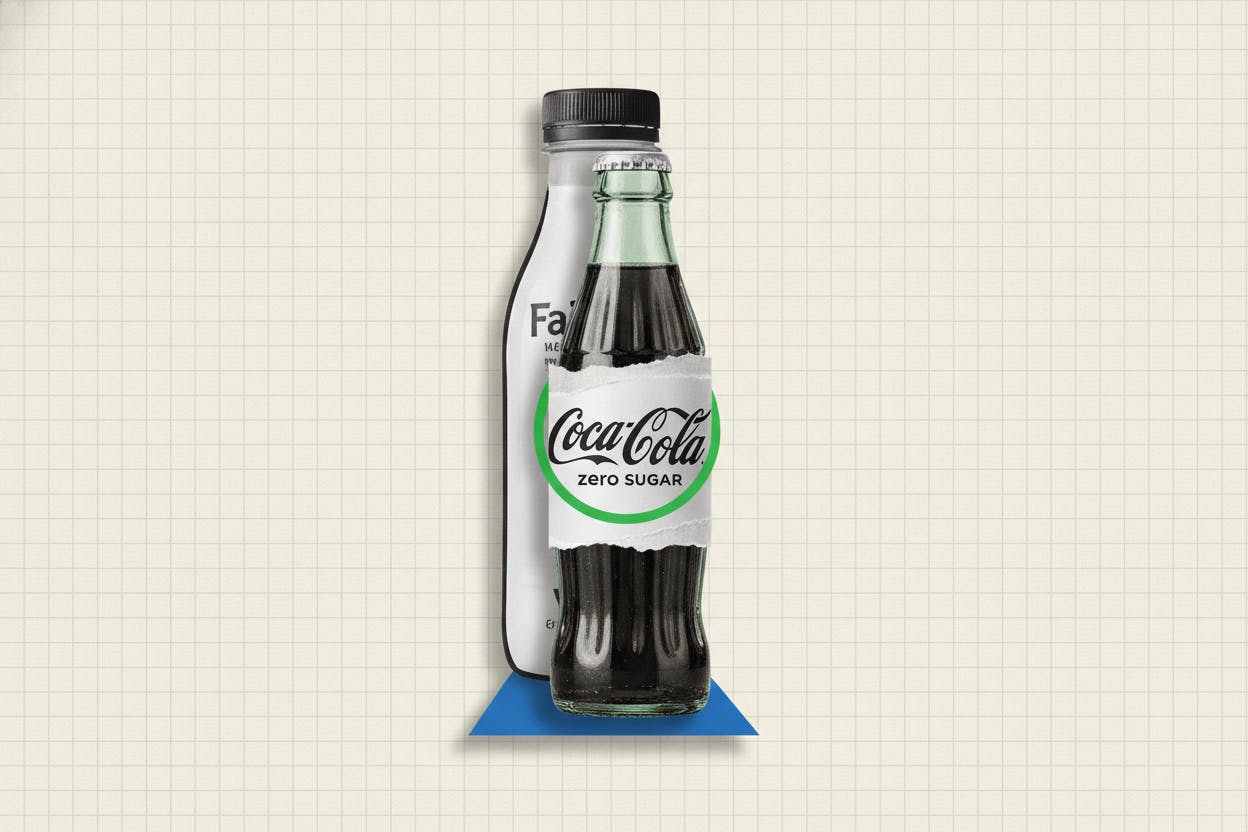
Coca-Cola lifted its full-year revenue and profit forecasts on Tuesday after second-quarter comparable revenue rose 6% to $13.37 billion, beating analyst expectations. The beverage giant pointed to strong demand for its zero-sugar sodas and the Fairlife milk brand as key drivers, even as some lower-income US consumers cut back on non-essential spending.
What drove the beat
Comparable revenue — which strips out currency swings and one-off items — came in at $13.37 billion, topping the $13.1 billion analysts had expected. The company said growth was broad-based, with particular strength in its core cola lineup, zero-sugar variants, and Fairlife, a high-protein milk brand Coca-Cola acquired full control of in 2020.
Revenue management played a big role. Coca-Cola has been raising prices in categories where demand remains resilient, while using what it calls “pack architecture” — offering smaller, cheaper packages to keep price-sensitive shoppers engaged. That strategy helped the company grow revenue even as some consumers traded down to store brands or skipped discretionary purchases.
The results echo a pattern seen across the consumer sector: big brands with strong pricing power and diversified portfolios can still deliver growth, even when the broader economy softens. Hilton recently raised its outlook on resilient travel demand, while UPS beat Q2 estimates as its Amazon pullback ended. But not all companies are faring as well — TransUnion beat Q2 estimates but disappointed on Q3 profit guidance, highlighting the uneven nature of the recovery.
Zero sugar and Fairlife: the growth engines
Coca-Cola Zero Sugar has been a standout for years, attracting health-conscious consumers who still want the taste of a classic cola. The company has invested heavily in marketing and distribution for the brand, and it continues to gain market share in the US and abroad.
Fairlife, meanwhile, has become a surprising growth driver. The ultrafiltered milk brand — which has more protein and less sugar than regular milk — has expanded beyond grocery shelves into convenience stores and foodservice. Coca-Cola now fully owns the brand after buying out its joint venture partner in 2020, and it has been rolling out Fairlife products in more international markets.
The company also noted that its sparkling soft drinks and water brands performed well, while juice and sports drinks saw more mixed results. Overall, volume — the number of servings sold — grew in the quarter, a sign that price increases haven't yet pushed away customers.
What it means for investors
Coca-Cola's raised outlook is a positive signal for shareholders, especially in a period when many consumer staples companies are struggling with flat volumes and rising costs. The company now expects full-year comparable earnings per share to grow faster than previously forecast, and it raised its organic revenue growth guidance as well.
For everyday investors, the takeaway is that Coca-Cola's portfolio of brands — from classic sodas to newer health-oriented products — gives it multiple levers to pull. When one category slows, another can pick up the slack. The company also benefits from its global reach: while US consumers are becoming more cautious, demand in emerging markets like India and Latin America remains strong.
That said, risks remain. Input costs for ingredients like sugar and aluminum are still elevated, and currency fluctuations can weigh on reported results. Coca-Cola also faces growing competition from smaller, niche beverage brands that are winning over younger drinkers. But for now, the company's ability to raise prices without losing customers suggests its brands still have plenty of pricing power.
Investors will be watching the next few quarters to see whether the strength in zero-sugar and Fairlife can continue, and whether Coca-Cola can maintain its momentum if the US economy slows further. For a company that has delivered consistent dividend growth for decades, the latest results offer reassurance that the business remains on solid footing.