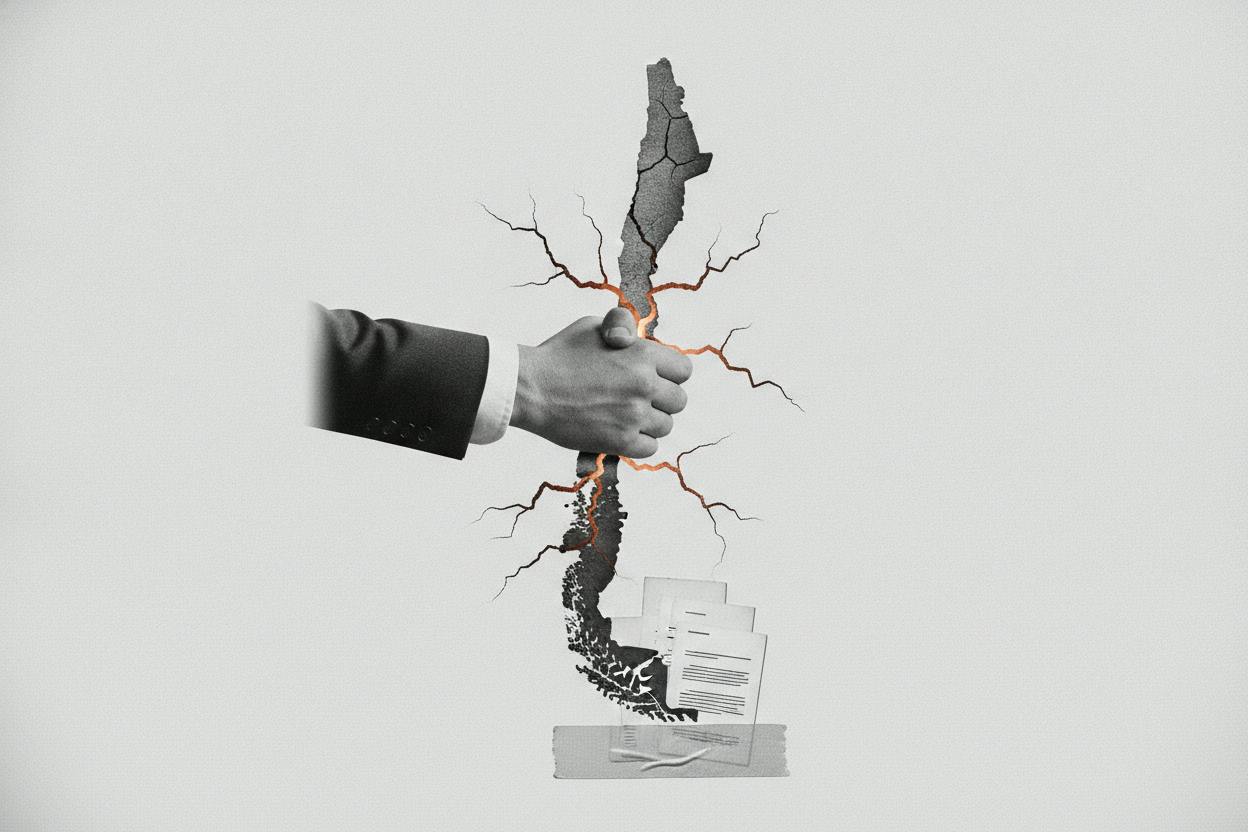
Chile's state-owned copper miner Codelco is making a clear pitch: it cannot keep production from falling without help from the private sector. Chairman Bernardo Fontaine said the company needs outside capital and expertise to develop its next wave of mines and maintain output near 1.3 million tonnes a year.
Codelco has been struggling to recover from record-low production in 2022 and 2023, hit by project delays, accidents, and aging mines with lower ore grades. The company controls vast mining concessions, but Fontaine argues it lacks the financial firepower and management bandwidth to develop them quickly enough on its own.
In comments reported this week, Fontaine called private partnerships “the only way” for Codelco to grow or even sustain production. He pointed to existing tie-ups with global miners Rio Tinto and BHP as proof that such deals can work.
Why Codelco needs outside help
Codelco is the world's largest copper producer, but its recent output has fallen short of historical levels. The company's challenges are not unique: many miners are dealing with declining ore grades and more complex projects. However, Codelco's status as a state-owned enterprise adds an extra layer of difficulty.
State ownership can limit how deals are structured. Rules governing state firms may restrict the types of partnerships or financing arrangements they can enter, making negotiations slower and more complicated. Long, complex joint ventures can also scare off all but the most patient investors, as they require years of commitment before seeing returns.
Fontaine's comments highlight a broader trend in the mining industry: even the largest producers are increasingly turning to partnerships to share the risk and cost of developing new projects. For Codelco, bringing in private partners could provide not only capital but also technical expertise and operational efficiency.
What it means for copper markets
Copper prices are not just about today's supply and demand. They reflect what traders expect supply to look like years down the road, when new mines are supposed to come online. If Codelco cannot advance its projects without outside money and know-how, and if state rules slow negotiations, the future supply pipeline looks less reliable.
Markets often respond to that uncertainty by building a supply-risk premium into longer-dated copper prices, rather than treating future output as a straightforward growth story. That means copper prices could stay elevated if investors doubt that new supply will arrive on time.
This dynamic also gives leverage to the small club of potential partners big enough to commit capital and staff for years, including Rio Tinto and BHP. Their involvement can become the difference between a project happening on time or not at all. As copper prices have been volatile recently, any news about supply reliability can move the market.
What investors should watch
For everyday investors, the key takeaway is that copper supply is not guaranteed. Codelco's struggle is a reminder that even the biggest miners face real constraints. If you own copper-related stocks or funds, the ability of companies like Codelco to secure partners will be a factor in future prices.
Investors should also keep an eye on how state-owned enterprises navigate their rules. If Codelco can strike more partnerships, it could boost confidence in copper supply. If not, the risk premium in copper prices may persist.
Other miners are facing similar pressures. For example, Eramet is also seeking partners for its lithium and nickel projects to fund growth. And Barrick's recent earnings show how higher metal prices can offset output dips, but that only works if prices stay high.
Ultimately, Codelco's future output depends on who is willing to co-fund it. The company's 1.3 million-tonne target is ambitious, and whether it can hit that number will shape copper markets for years to come.