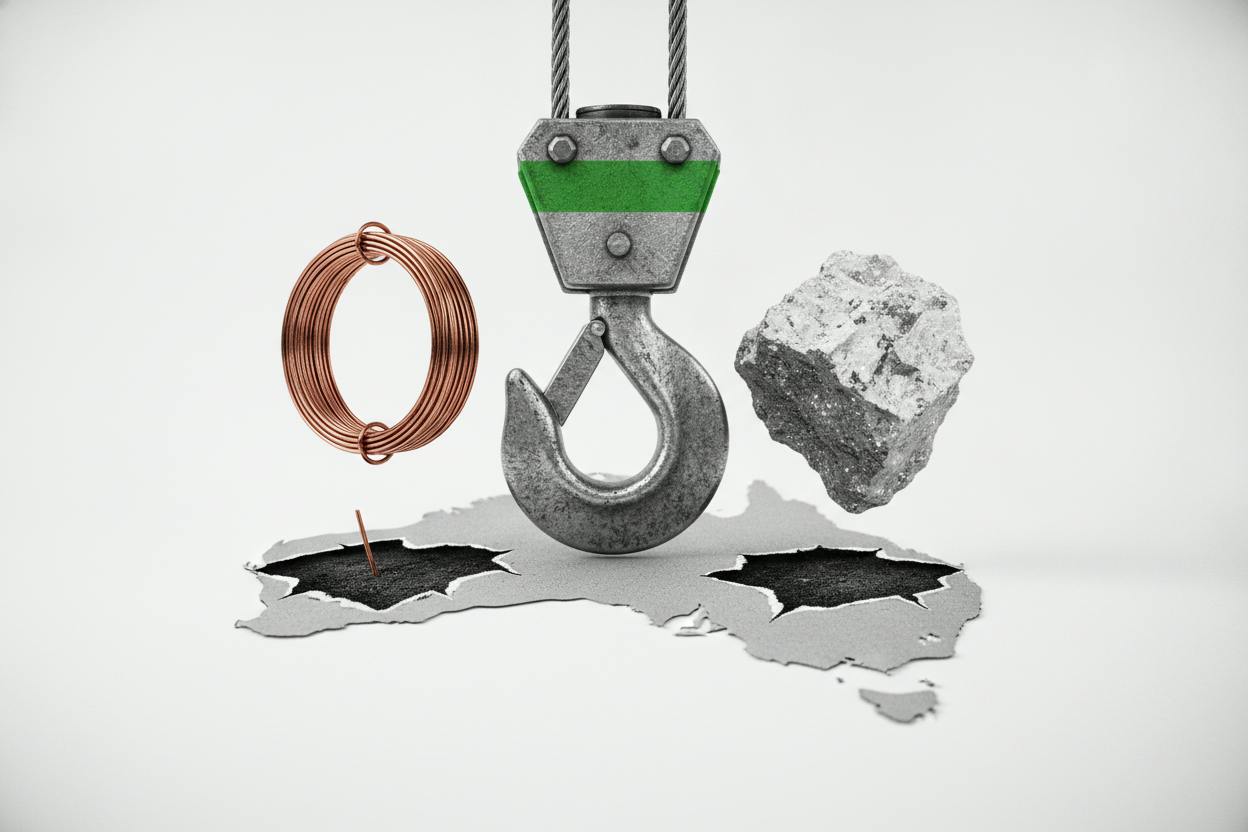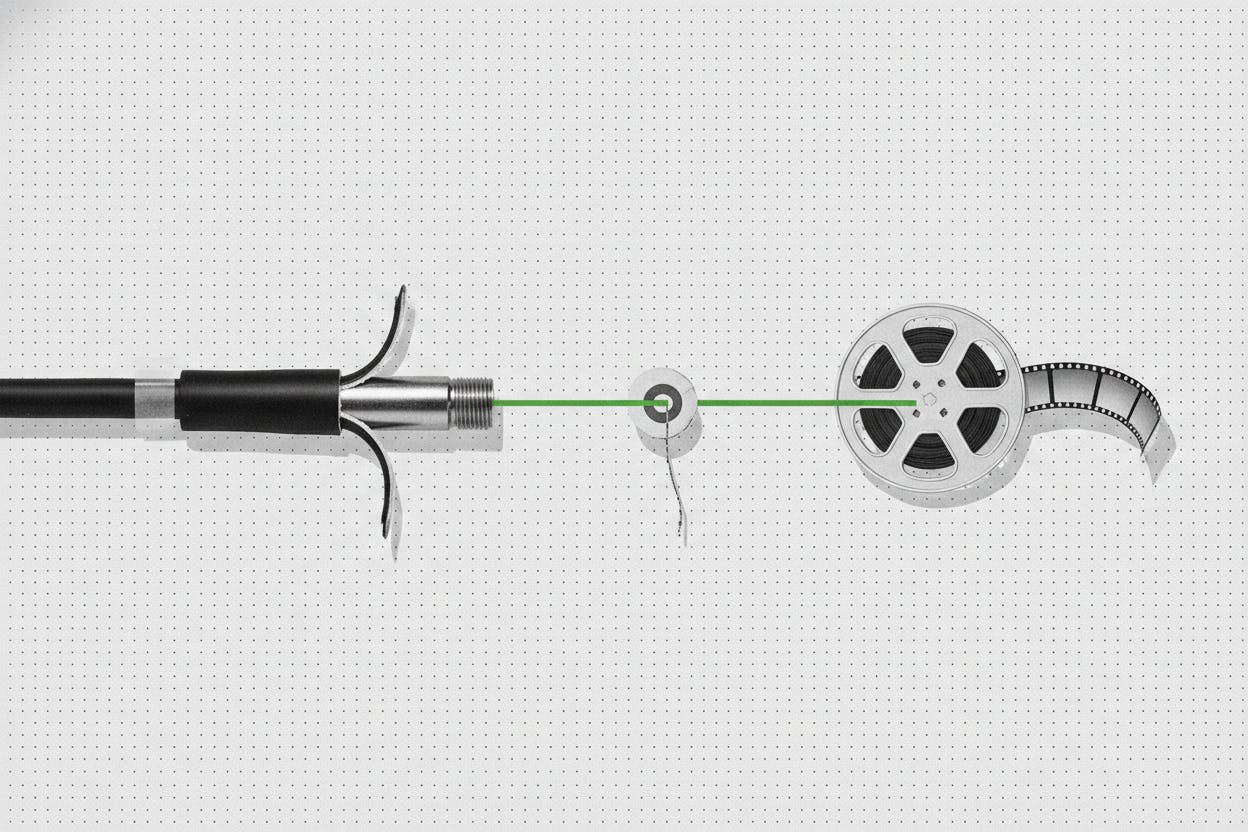
Comcast is moving forward with a plan to separate its cable business from its media assets, including NBCUniversal and Sky. According to UBS Securities, the restructuring could help clarify how much each part of the company is worth and set the stage for future mergers and acquisitions.
What's happening
Comcast, one of the largest U.S. cable and media companies, announced plans to create two publicly traded companies. One will focus on its cable and broadband operations, while the other will hold NBCUniversal and Sky, the European media and broadcasting giant. UBS expects Comcast to retain a 19.9% stake in the media company after the split, then convert that holding into cash within about a year. That cash could be used to strengthen the balance sheet or fund other strategic moves.
The strategic logic behind the split is that these businesses face very different competitive pressures. Cable and broadband are dealing with slow subscriber growth and increasing competition from fiber and wireless providers. Meanwhile, NBCUniversal and Sky are battling for viewers and advertising dollars in a rapidly changing media landscape dominated by streaming services like Netflix and Disney+.
UBS believes that separating the two will make it easier for investors to value each business on its own merits. Currently, Comcast's stock price reflects a blend of both, which can obscure the true performance of each unit. A clearer valuation could also make it easier for Comcast to pursue deals—either buying other companies or selling parts of its own.
What it means for investors
For everyday investors, this kind of corporate restructuring can be a double-edged sword. On one hand, a spin-off can unlock value by letting the market price each business more accurately. On the other hand, it can create complexity and uncertainty in the short term.
Comcast's move is part of a broader trend among large conglomerates. Companies like Honeywell and General Electric have also broken themselves up in recent years, arguing that focused businesses are easier to manage and more attractive to investors. Honeywell's aerospace division, for example, jumped 7% in its Nasdaq debut earlier this year as part of a three-way split.
Investors should watch for a few key things. First, the exact timeline and terms of the split, which Comcast has not yet finalized. Second, how the market reacts to the new standalone companies once they begin trading. And third, whether Comcast uses the cash from its retained stake to pay down debt, buy back shares, or fund acquisitions.
It's also worth noting that Comcast's cable business faces headwinds. The company has been losing broadband subscribers as competition from fiber providers and fixed wireless access services intensifies. Meanwhile, NBCUniversal is investing heavily in streaming through Peacock, which has been losing money but gaining subscribers. The split could give each business more freedom to pursue its own strategy without being held back by the other.
UBS's analysis suggests that the separation could make Comcast a more attractive partner for potential deals. A clearer valuation could help the company negotiate better terms, whether it's buying content to bolster Peacock or selling off assets to raise cash.
For now, investors should keep an eye on Comcast's next earnings report and any updates on the spin-off timeline. The company has already seen its stock jump 6% on the initial announcement, suggesting that the market sees potential in the move.
The bigger picture
Comcast's split is part of a larger shift in the media and telecom industries. As cord-cutting accelerates, traditional cable companies are looking for ways to adapt. Some are investing in streaming, while others are merging with content companies to gain scale. Comcast's decision to separate its cable and media businesses suggests that management believes each is better off on its own.
This kind of restructuring can also create opportunities for activist investors, who may push for further changes or even a full sale of one of the businesses. UBS's note hints that the split could lead to more M&A activity, which could benefit shareholders if deals are done at attractive prices.
Ultimately, the success of the split will depend on execution. If Comcast can manage the separation smoothly and each business performs well on its own, investors could see significant value unlocked. But if the transition is messy or the businesses struggle in their new standalone forms, the benefits may take longer to materialize.