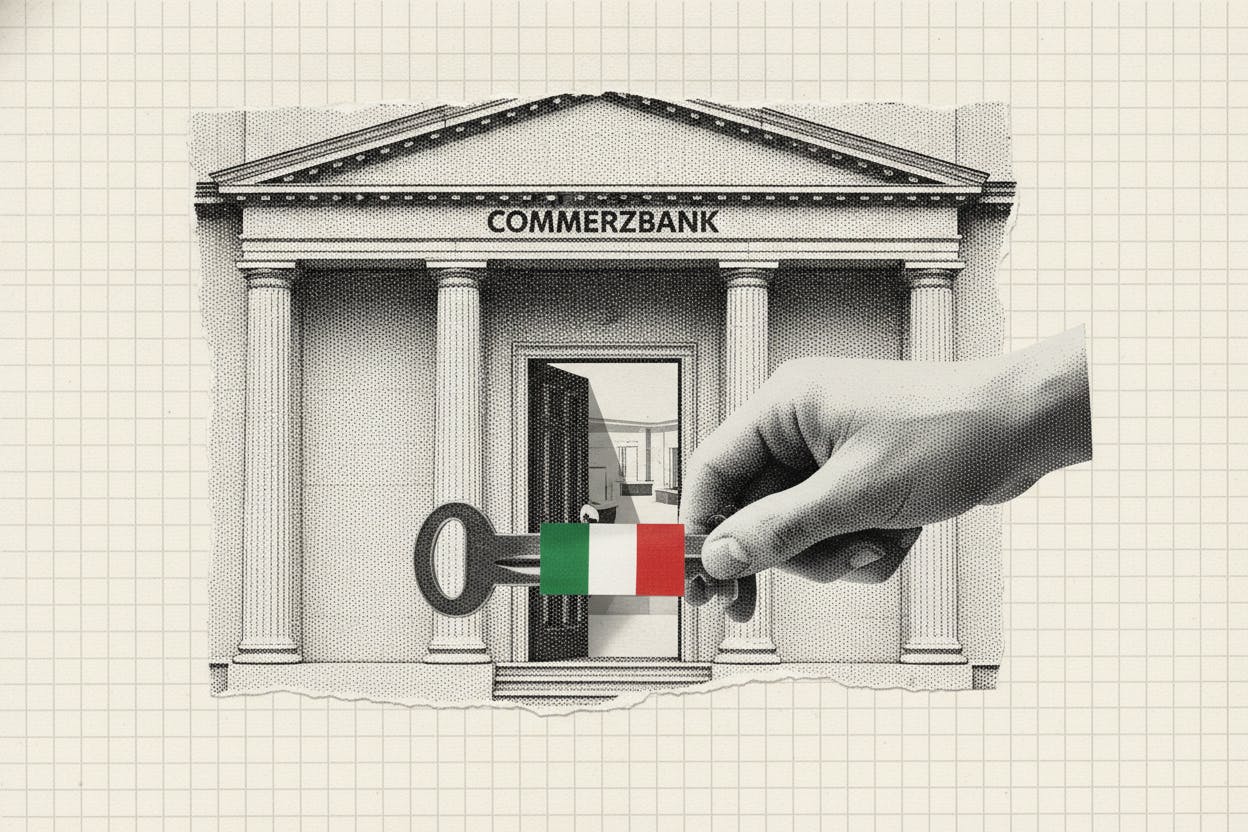
The chairman of Commerzbank, Jens Weidmann, has called on Germany to review its takeover rules after Italy’s UniCredit secured what he describes as effective control of the German lender without a full tender or a traditional control premium. In an interview with Sueddeutsche Zeitung reported on Sunday, Weidmann argued that the current framework allowed UniCredit to gain influence with a relatively small number of shares actually handed over by shareholders.
Weidmann, a former president of the Bundesbank, said UniCredit’s offer was “financially unattractive” and lacked the extra payment—known as a control premium—that buyers typically offer to take charge of a company. He noted that fewer than 18% of the roughly 73% of shares that were eligible to be tendered were actually submitted, with only a small portion coming directly from ordinary investors. That, he suggested, raises questions about whether Germany’s takeover rules adequately protect minority shareholders and reflect the true value of control.
What is a control premium and why does it matter?
A control premium is the additional amount a buyer pays above the current market price to acquire a controlling stake. It compensates existing shareholders for giving up their say in how the company is run. In many takeovers, buyers offer a clear premium to encourage enough shareholders to sell. When a bidder can gain effective control without paying that premium, it can leave minority investors feeling short-changed.
In this case, UniCredit built its stake in Commerzbank through a combination of market purchases and a tender offer. The tender offer, which is a public invitation to shareholders to sell their shares at a set price, did not attract a large number of tenders. Yet UniCredit still ended up with what Weidmann calls effective control—meaning it can influence key decisions even without owning a majority of shares.
Weidmann’s comments highlight a broader debate in European banking: how to balance cross-border consolidation with the rights of local shareholders. Germany has historically been cautious about foreign takeovers of its flagship companies, and Commerzbank is no exception. The government still holds a stake in the bank from the 2008 financial crisis, and any foreign control is politically sensitive.
Why this matters for investors
For everyday investors, this story is a reminder that takeover rules can significantly affect the value of their holdings. When a company becomes a takeover target, the price of its shares often rises in anticipation of a premium. But if a bidder can gain control without paying a full premium, that expected windfall may not materialise.
Weidmann’s call for a review could lead to changes in how future takeovers are conducted in Germany. If rules are tightened, bidders might be required to offer a minimum premium or to extend their offers to all shareholders. That could make takeovers more expensive but also fairer for minority investors.
The situation also underscores the importance of understanding the terms of any tender offer. Investors who hold shares in a company that receives a bid should carefully consider whether the offer price reflects the true value of control. In this case, many shareholders apparently chose not to tender, possibly because they felt the price was too low.
What happens next?
Weidmann’s comments are unlikely to change the immediate situation at Commerzbank, but they add pressure on German policymakers to examine the rules. The government has already shown sensitivity to foreign takeovers of key industries, and this case could prompt a broader review of the country’s takeover code.
For now, investors in Commerzbank will be watching to see whether UniCredit increases its stake further or seeks to formalise its control. Any move could trigger a mandatory offer under German law, which would force UniCredit to extend a full bid to all shareholders at a fair price.
This episode also fits into a wider pattern of cross-border banking deals in Europe. Italian banks have been active in seeking acquisitions, and the region has seen several high-profile takeover battles. For example, Monte Paschi has approved rival bids to fend off Intesa’s €36 billion takeover, showing how contested these deals can become. Similarly, EQT received a second takeover offer in a week, illustrating the competitive nature of M&A markets.
For investors, the key takeaway is that takeover rules are not just legal technicalities—they directly affect the price you receive for your shares. When a bidder can gain control without paying a premium, it can leave minority shareholders with less than they might have expected. Weidmann’s push for a review is an attempt to ensure that doesn’t happen again.
As the debate continues, investors should stay informed about the rules that govern takeovers in their markets. Understanding concepts like control premiums and tender offers can help you make better decisions when a company you own becomes a target.