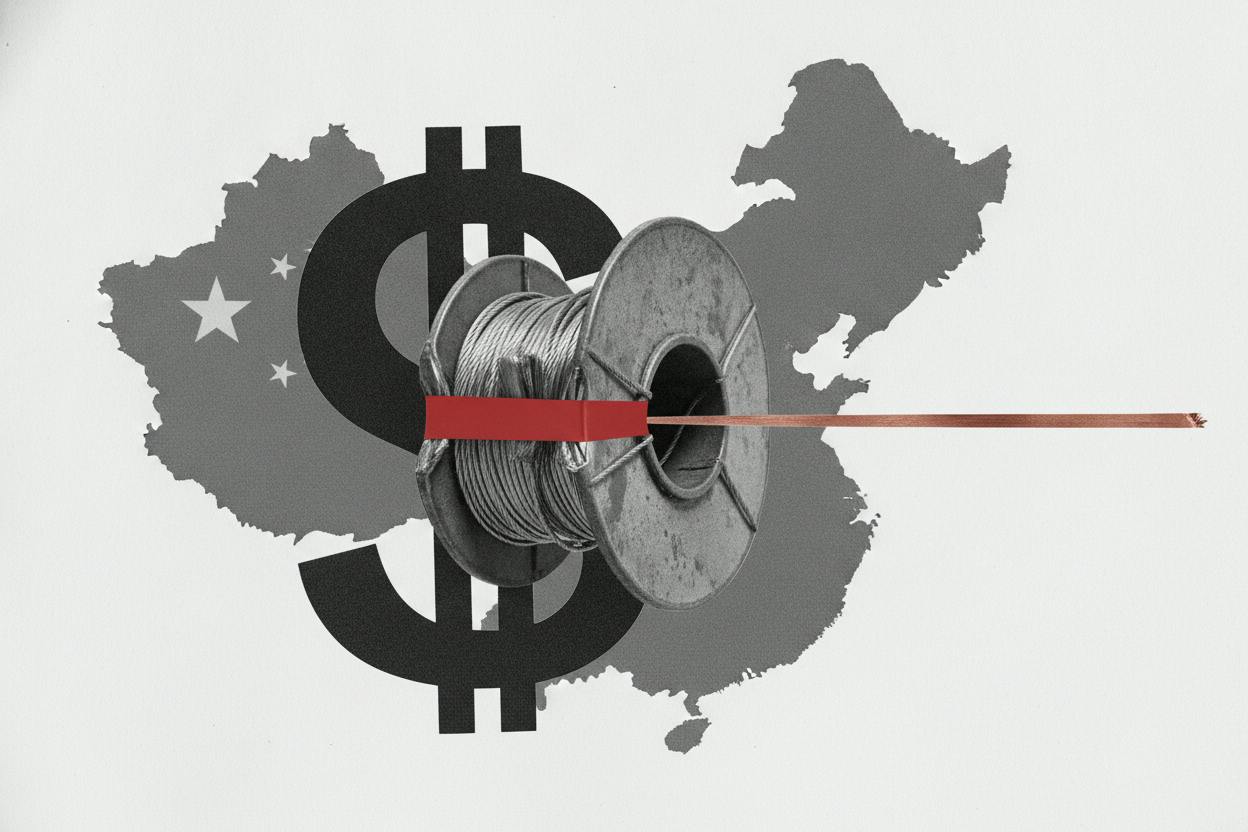
Copper prices extended their slide on Tuesday, with London Metal Exchange (LME) contracts touching their lowest level in nearly five months. The move came as a firm US dollar and growing uncertainty about AI-related demand for the metal weighed on industrial commodities.
Copper is priced globally in dollars, so when the greenback strengthens, buyers using other currencies effectively face higher costs. That can cool demand and put downward pressure on benchmarks like the LME contract. The dollar has been hovering near a 19-month high after solid US economic data and signals from the Federal Reserve that interest rates could stay higher for longer. A stronger dollar tends to make dollar-priced commodities more expensive for overseas buyers, which can dampen demand.
AI demand doubts add to the pressure
But copper's troubles aren't just about currency moves. TD Securities, a broker, flagged that expectations for AI-related spending are becoming less certain. That matters because new data centers require significant upgrades to power grids and equipment that use large amounts of copper. If those spending plans slow, the anticipated boost to copper demand could shrink.
TD also noted that refined-copper tariffs now look less likely, removing a potential source of price support. Tariffs on imported copper had been seen as a possible floor under prices, so their absence leaves the market more exposed to downside.
China's physical market tells a different story
While futures prices are sliding, the physical market in China—the world's biggest copper consumer—is flashing signs of tightness. Reuters reported that the premium buyers pay to import copper into China jumped 21% to a record high on Tuesday, as inventories remained low. That premium is the extra amount over the LME price that Chinese buyers are willing to pay to secure metal.
When the import premium rises, it lifts the all-in delivered price inside China versus offshore benchmarks. That can pull supply toward China, potentially even from the US, as traders look to profit from the price gap.
What it means for investors
For everyday investors, the divergence between falling LME prices and a record Chinese import premium is a reminder that commodity markets aren't always a single, unified picture. The premium is a real-world signal that metal is scarcer—and more valuable—inside China than headline futures prices imply.
The wider the gap, the more it encourages traders to reroute refined copper into China and hedge or sell against local Shanghai pricing. If those flows arrive quickly, they could ease the squeeze and validate the weaker global price trend. If they don't, physical tightness could put a floor under prices, even while the dollar keeps pressure on commodities.
For investors, copper's dual drivers—macro forces like the dollar and interest rates, and micro signals like supply and demand in China—mean the metal can move in unexpected ways. A strong dollar and fading AI optimism are currently the dominant forces, but the physical market's tightness could limit how far prices fall.
As always, it's worth watching both the headlines and the underlying data. The dollar's path, Fed policy signals, and any updates on AI spending plans will likely shape copper's next move. At the same time, the Chinese import premium is a key indicator of whether physical demand is strong enough to offset the macro headwinds.
For those with exposure to copper through stocks or funds, the current slide is a reminder that commodity prices can be volatile and influenced by a range of factors beyond simple supply and demand. Diversification and a long-term perspective remain important.