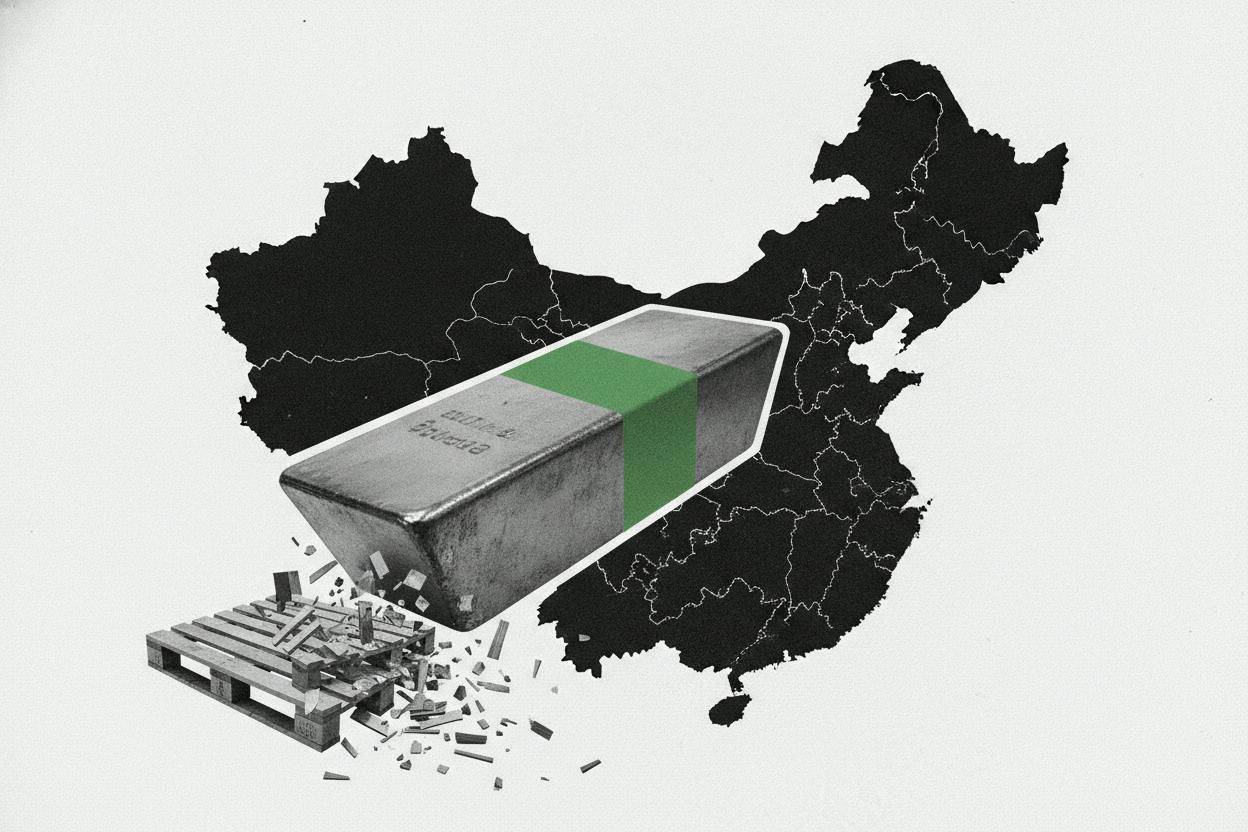
Copper prices climbed on Monday as Chinese buyers stepped back into the physical market, with signs of tight supply in the world's top consumer outweighing the usual drag from a stronger dollar and higher US interest rates.
Benchmark copper on the London Metal Exchange (LME) rose 1.2% to $14,408 a metric ton, though it remains below September's record high. The move came as the Yangshan copper premium—an extra fee that buyers in China pay to import copper—hit its highest level since October 2022, a clear signal that demand for actual metal, not just paper contracts, is picking up.
What's driving the move?
Typically, higher US rates support the dollar, which can cool demand for dollar-priced commodities by making them more expensive for overseas buyers. That dynamic was at play again, but traders chose to focus on China's physical market instead.
Marex, a commodities broker, said the demand looks like “real physical buying” rather than speculation. That distinction matters: speculative buying can inflate prices temporarily, but physical buying reflects genuine industrial consumption—copper is used extensively in construction, electronics, and renewable energy infrastructure.
The Yangshan premium is a closely watched gauge of Chinese import appetite. When it rises, it suggests Chinese buyers are willing to pay more to secure metal, often because domestic supplies are tight or demand is strong. The last time the premium was this high was in October 2022, a period when China was emerging from COVID-related disruptions and restocking aggressively.
This latest pickup in Chinese demand comes alongside other signs of activity in the metals complex. Chinese mills restocking ahead of the National Day holiday have supported iron ore prices, and copper has edged up on similar import signals in recent sessions. The broader picture is one of a Chinese economy that, while facing headwinds, continues to consume large volumes of raw materials.
Supply constraints add to the mix
Beyond demand, supply-side issues are also underpinning copper prices. Kazakhstan's copper output slipped 1.7% in the first eight months of the year, a small but telling example of the production challenges facing the industry. Mines in various regions have struggled with ore grades, water shortages, and operational disruptions, keeping the market relatively tight.
Copper has also been in focus for its role in the energy transition. As countries push for electrification and renewable energy, demand for copper—a key component in wiring, motors, and batteries—is expected to grow over the long term. That structural story has attracted investor attention, even as short-term price moves are driven by daily shifts in supply and demand.
What it means for investors
For everyday investors, copper prices matter in a few ways. First, they are a barometer of global economic health, particularly in China, which accounts for roughly half of global copper consumption. When Chinese buyers are active, it often signals that industrial activity is picking up, which can be positive for global growth expectations.
Second, copper prices can influence the earnings of mining companies and, by extension, the stock prices of those firms. Investors with exposure to mining stocks or exchange-traded funds (ETFs) that track commodities may see their holdings move in response to copper price swings. However, it's important to remember that mining companies also face their own operational risks, so copper prices are only one factor in their performance.
Third, the current situation highlights a classic tension in commodity markets: the dollar and interest rates versus physical supply and demand. A stronger dollar typically pressures commodity prices, but when underlying demand is strong enough, it can override that pressure. This is a reminder that commodity prices are driven by a complex mix of factors, and simple rules of thumb don't always hold.
Looking ahead, investors will be watching whether Chinese buying persists and whether the Yangshan premium stays elevated. Any signs of a slowdown in Chinese industrial activity, or a further strengthening of the dollar, could reverse the recent gains. On the supply side, any major disruptions—or, conversely, a wave of new mine output—could shift the balance.
For now, the market is taking its cue from the physical buyers in China, and they are signaling that they want copper.