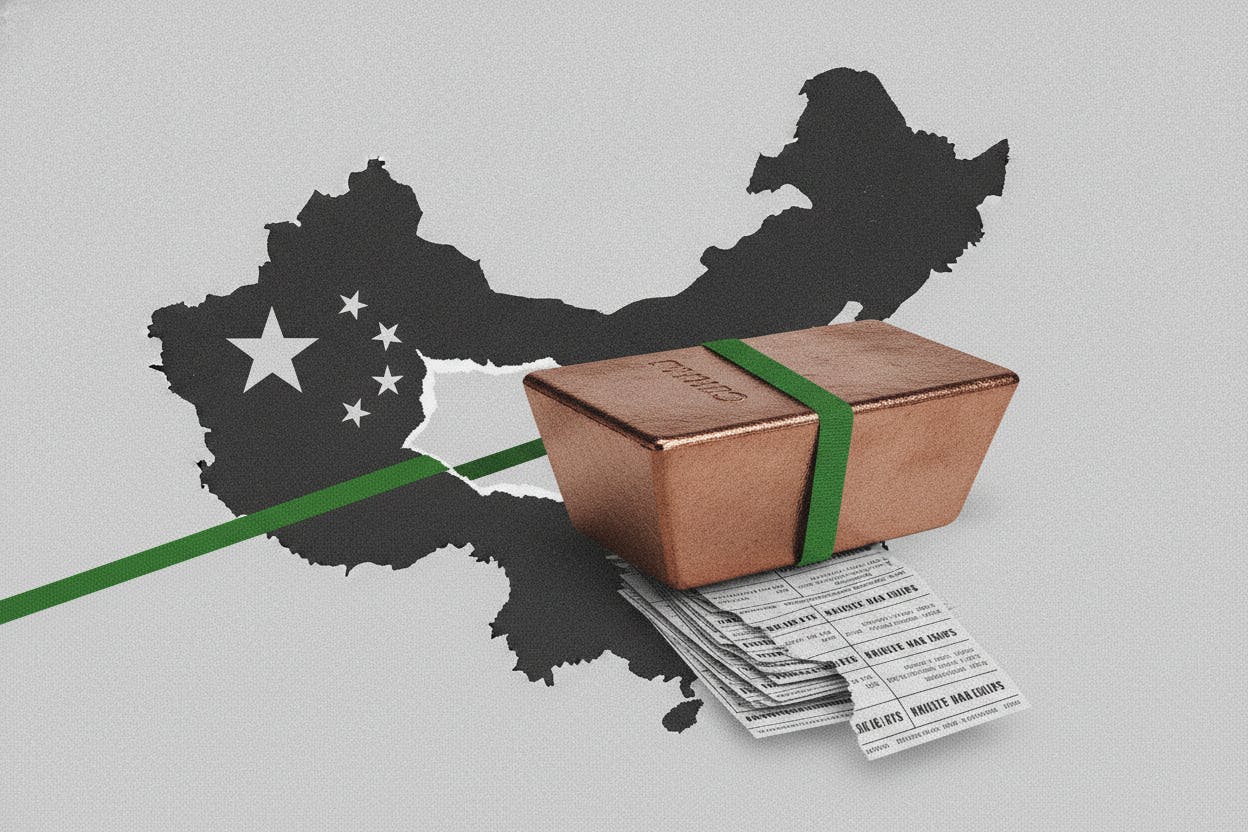
Copper prices ticked higher on Tuesday, supported by a surge in Chinese buying and dwindling stockpiles on global exchanges. The gains came despite ongoing geopolitical tensions between the United States and Iran, which have raised concerns about broader economic demand.
In London, three-month copper futures on the London Metal Exchange (LME) edged up, while the most-traded copper contract on the Shanghai Futures Exchange also posted gains. The moves reflect a market caught between two forces: robust near-term demand from the world's top copper consumer and anxiety over a potential escalation in the Middle East.
China's Yangshan Premium Signals Strong Appetite
A key indicator of Chinese demand for imported copper—the Yangshan premium—rose to its highest level since May 2025, according to data from the Shanghai Metals Market. The premium, which is the amount Chinese buyers are willing to pay above LME prices for immediate delivery, has been climbing as domestic stockpiles tighten and industrial activity picks up.
China accounts for more than half of global copper consumption, using the metal extensively in construction, power grids, and manufacturing of electric vehicles and renewable energy equipment. The rising premium suggests that Chinese buyers are scrambling to secure supply, a bullish signal for copper prices in the near term.
At the same time, inventories of copper in LME-registered warehouses have been falling, adding to supply concerns. The combination of strong Chinese demand and shrinking stockpiles has created a floor under prices, even as other commodities like oil and palm oil have faced headwinds from geopolitical uncertainty.
Geopolitical Tensions Cast a Shadow
While copper's fundamentals look supportive, the broader market remains on edge due to the latest flare-up in US-Iran tensions. The conflict has stirred worries about global economic growth and energy supply disruptions, which could eventually dampen demand for industrial metals.
Oil prices have been particularly sensitive to the situation, with recent Houthi threats to Saudi shipping reviving supply fears. Higher energy costs can weigh on manufacturing activity and consumer spending, potentially reducing demand for copper and other raw materials. Investors are also watching how the situation might affect trade flows and shipping routes in the region.
Despite these concerns, copper has held up relatively well compared to other commodities. The metal's dual role as an industrial bellwether and a key component in the green energy transition has given it a degree of resilience.
What It Means for Investors
For everyday investors, copper's price movements offer a window into the health of the global economy and the pace of industrial activity. Rising copper prices often signal strong demand from sectors like construction and manufacturing, while falling prices can indicate a slowdown.
The current situation presents a mixed picture. On one hand, China's aggressive buying and low inventories suggest that demand remains robust, which could support copper prices in the coming weeks. On the other hand, geopolitical risks and the potential for a broader economic downturn could cap gains.
Investors with exposure to copper through exchange-traded funds (ETFs) or mining stocks should keep an eye on two key factors: the trajectory of Chinese industrial policy and developments in the Middle East. Any signs of a de-escalation in tensions could remove a major headwind for copper, while a further deterioration could trigger a risk-off move across markets.
It's also worth noting that copper prices are influenced by currency moves, particularly the US dollar. A weaker dollar makes dollar-denominated commodities cheaper for foreign buyers, which can boost demand. The recent strength of the Chinese yuan, supported by the People's Bank of China's stronger daily fix, has helped make copper more affordable for Chinese importers.
Broader Market Context
The copper market's resilience comes amid a mixed session for global equities and commodities. While copper gained, other raw materials like Malaysian palm oil slipped as rival oils and crude prices eased. Meanwhile, chip stocks rebounded as oil held firm on Middle East tensions, highlighting the divergent reactions across asset classes.
Investors are also awaiting key economic data and corporate earnings, including reports from major tech companies like Alphabet and Tesla. These results could provide clues about the health of the global economy and the outlook for industrial demand.
In the near term, copper prices are likely to remain volatile as traders weigh the tug-of-war between tight supply and geopolitical uncertainty. The Yangshan premium will be a closely watched indicator for signs of whether Chinese demand is sustainable or merely a temporary stockpiling move.
As always, investors should focus on the long-term fundamentals of the copper market, including the metal's role in electrification and renewable energy, rather than reacting to short-term price swings. The current environment underscores the importance of diversification and staying informed about both supply-side dynamics and macroeconomic risks.



