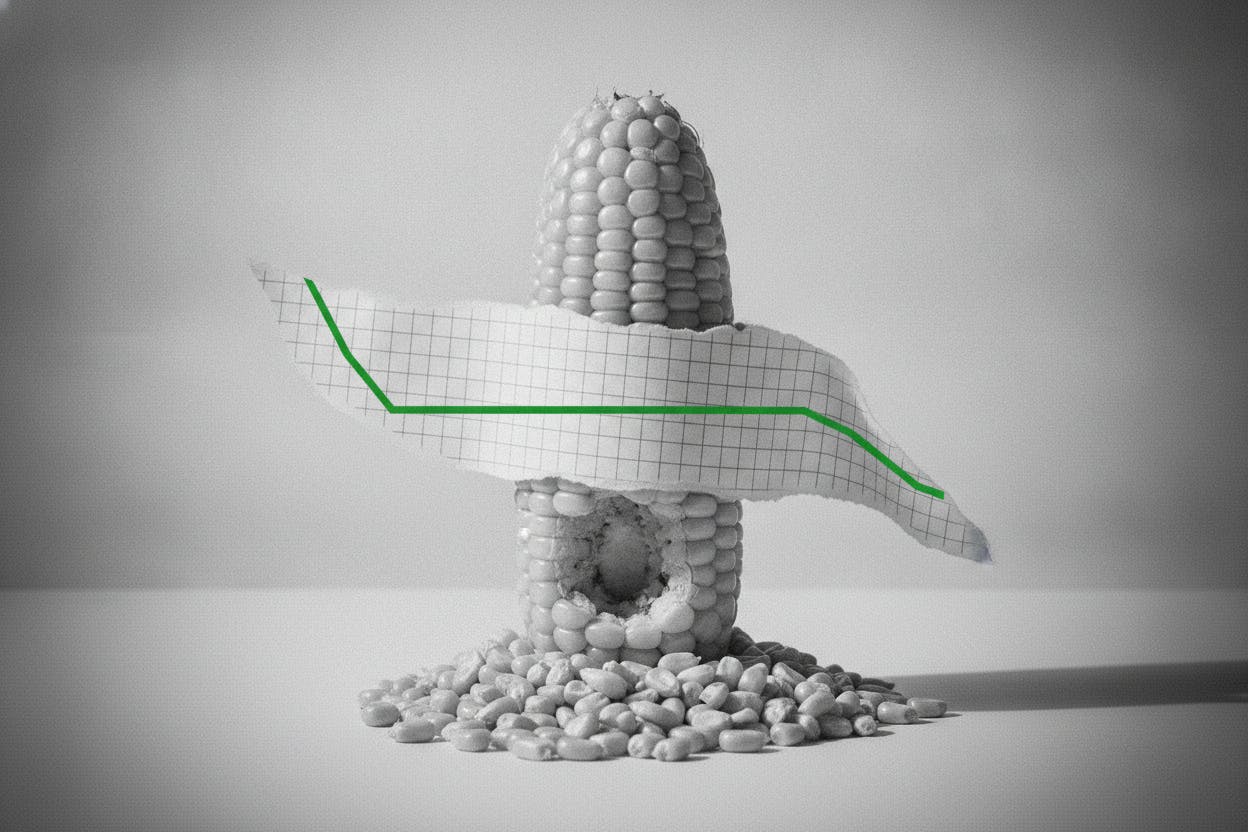
Corn futures rose to their highest level in two weeks on Tuesday after the US Department of Agriculture (USDA) released its latest supply-and-demand forecasts. The agency said it now expects 2026/27 corn ending stocks—the amount left in storage at the end of the marketing year—to total 1.653 billion bushels, down from its July estimate of 1.790 billion bushels.
That reduction came as a surprise to many traders, who had been bracing for a larger surplus. Even though the USDA raised its production forecast for the 2026/27 season to 16.013 billion bushels—thanks to a higher estimate for harvested acreage—the agency also pointed to stronger export demand and a smaller carry-in from the previous season. The net effect: less corn sitting in bins when the year wraps up.
Why the stockpile number matters
Ending stocks are a key gauge of supply tightness in agricultural markets. When inventories are high, prices tend to stay subdued because there's plenty of corn to go around. When stocks shrink, buyers may have to compete for limited supplies, which can push prices higher.
The USDA's revision suggests that even with a robust harvest, demand—particularly from overseas buyers—is eating into the surplus faster than previously expected. That's a bullish signal for corn prices, and futures responded accordingly.
For everyday investors, the move is a reminder that commodity prices can be volatile and are influenced by a mix of weather, global trade flows, and government forecasts. Corn is a staple ingredient in food products, animal feed, and ethanol, so shifts in its price can ripple through the broader economy.
What this means for your portfolio
If you hold agricultural ETFs or funds that track corn futures, this report could provide a short-term tailwind. However, it's important to remember that commodity markets are notoriously unpredictable, and a single USDA report is just one data point.
Investors with diversified portfolios—those that include a mix of stocks, bonds, and commodities—may see some benefit from rising corn prices, but the effect is likely to be modest unless you have a concentrated position in agribusiness.
For those watching inflation, higher corn prices can feed into food costs over time, though the impact is usually gradual. The USDA's outlook also comes as inflation shows signs of cooling, which could offset some of the price pressure from commodities.
Looking ahead
Traders will now focus on the next USDA update, due in a few weeks, to see if the stockpile estimate changes again. Weather conditions during the growing season, export sales data, and global demand from countries like China will all be key factors to watch.
For now, the market's reaction suggests that investors are taking the USDA's numbers at face value. But as with any forecast, there's room for revision. The agency's track record shows that its estimates can shift significantly from month to month, so it's wise to treat this as a snapshot, not a certainty.
If you're considering adding commodity exposure to your portfolio, it's worth remembering that futures-based products can be complex and may not always track spot prices perfectly. As always, do your own research and consider your risk tolerance before making any investment decisions.