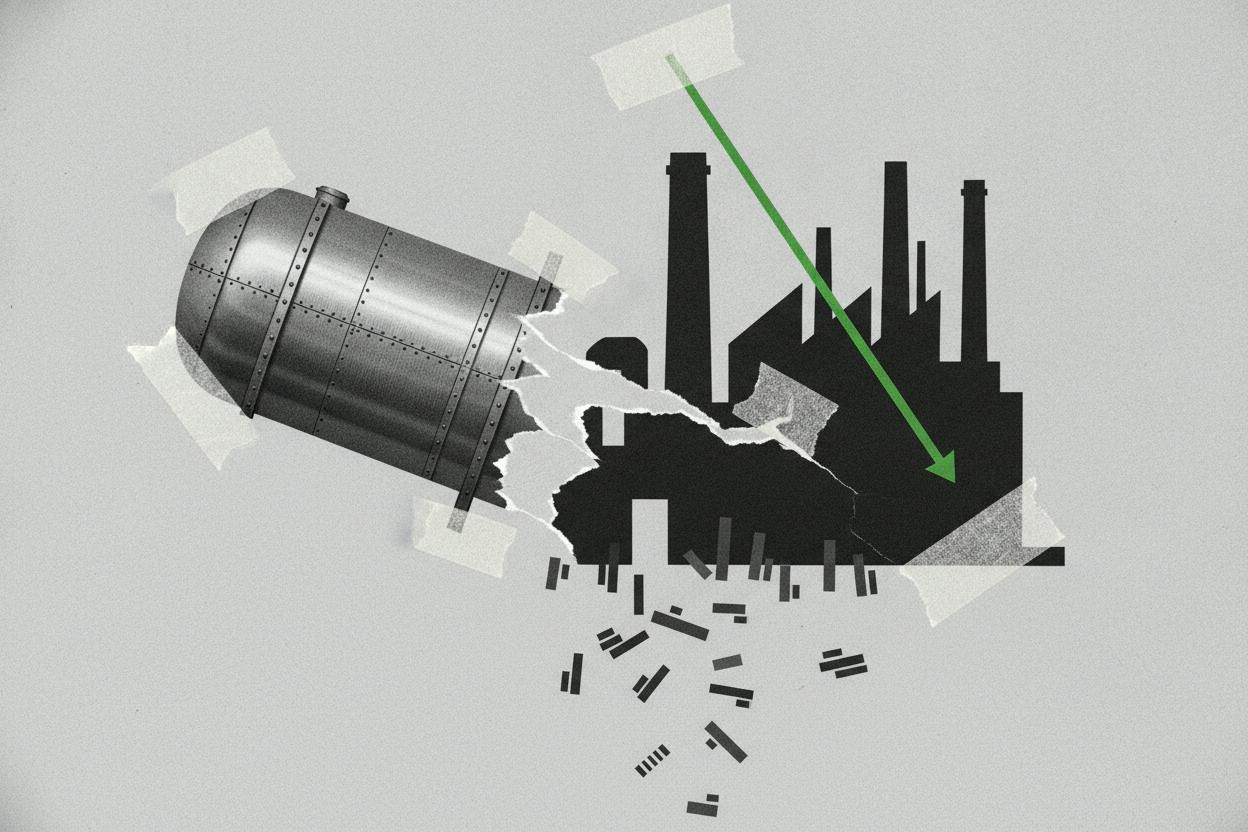
Shares of Crasus Chemical, the petrochemicals arm of Japan's Resonac Holdings, began trading on the Tokyo Stock Exchange on Tuesday, opening at 218 yen compared with a reference price of 200 yen. The higher first trade signals that investors are assigning a standalone value to the business, even though the listing is not a traditional initial public offering.
How the listing works
Unlike a conventional IPO, where a company raises fresh capital by selling new shares to the public, Crasus Chemical is being spun off from Resonac through a distribution of existing shares to Resonac's shareholders. This type of transaction, known as a spin-off, does not involve a formal book-building process or a final offer price. Instead, the Tokyo Stock Exchange sets a reference price based on the company's fundamentals, and trading begins from there.
In this case, the reference price was set at 200 yen, and the stock opened at 218 yen, a 9% premium. That early move suggests investors see value in the chemicals business as a separate entity, but it is still early days. The stock's performance in the coming sessions will provide a clearer picture of how the market views the spin-off.
The Oct. 1 spin-off
The bigger event for shareholders is scheduled for Oct. 1, when Resonac will complete the partial spin-off. After that date, Resonac's stake in Crasus Chemical is expected to fall below 20%. That means Resonac will no longer consolidate Crasus's results into its own financial statements, which could affect how both companies are valued.
For Resonac, the spin-off is part of a broader strategy to streamline its portfolio and focus on higher-growth areas, such as semiconductors and electronic materials. The petrochemicals business, which produces basic chemicals used in plastics and other products, is more cyclical and capital-intensive, so separating it may help Resonac attract investors who prefer its more technology-focused operations.
What it means for investors
For everyday investors, the key takeaway is that spin-offs can create new investment opportunities, but they also come with risks. When a company spins off a division, shareholders of the parent company typically receive shares in the new entity, so they may end up with exposure to a business they didn't specifically choose. It's important to understand the fundamentals of the spun-off company before deciding whether to hold or sell those shares.
In this case, Crasus Chemical is entering the market at a time when the global petrochemical industry faces headwinds, including weak demand and oversupply. However, the stock's opening above its reference price suggests some optimism about its prospects as an independent company.
Investors should also note that the spin-off will change the financial profile of both companies. Resonac's earnings will no longer include Crasus's results, which could make Resonac's future revenue and profit figures look different. Conversely, Crasus will now report its own financials, giving investors a clearer view of its standalone performance.
Broader market context
The listing comes amid a mixed backdrop for Japanese equities. The Nikkei 225 has been volatile recently, partly due to concerns about global oil prices and their impact on the economy. A jump in oil prices on Hormuz worries has weighed on Japanese shares, and the petrochemical sector is particularly sensitive to energy costs, since crude oil is a key raw material.
Still, spin-offs and listings in Japan have been relatively active, as companies look to unlock value and sharpen their focus. The success of Crasus's debut could encourage other Japanese conglomerates to consider similar moves.
What to watch next
Investors will be watching how Crasus Chemical trades in the coming days and whether it can hold its opening gains. The Oct. 1 spin-off date is also important, as it will trigger the actual distribution of shares to Resonac shareholders. After that, the market will get its first full picture of Crasus as an independent, publicly traded company.
For those who hold Resonac shares, the spin-off means they will receive Crasus shares, but the exact ratio and mechanics will be detailed by the company. It's worth checking your brokerage account around the distribution date to see the new shares appear.
As always, it's wise to review your portfolio and consider whether the spun-off business fits your investment goals. Spin-offs can be a source of value, but they also require a fresh look at the underlying business.