When you hear "crypto payments," it can sound like one seamless thing. But there are actually two very different ways crypto moves from a payer to a recipient, and the distinction matters for anyone using or investing in these services.
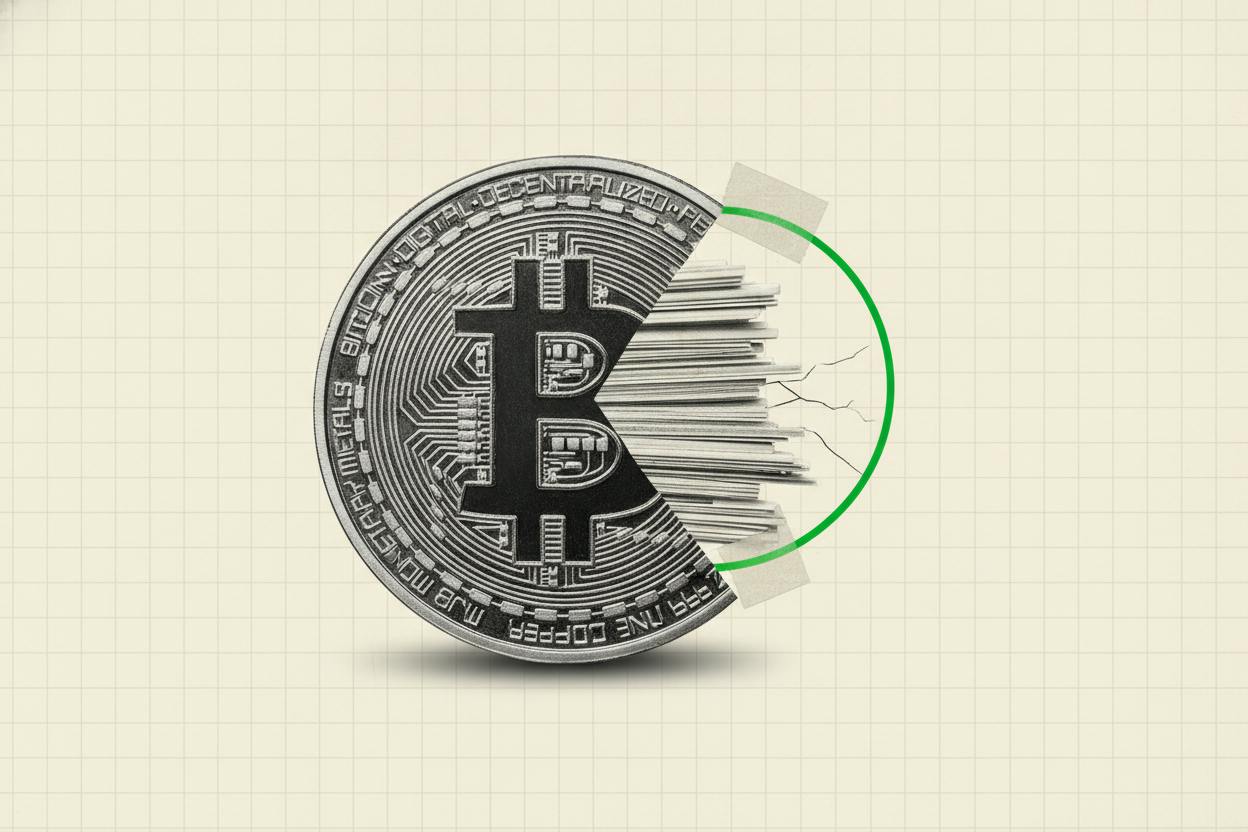
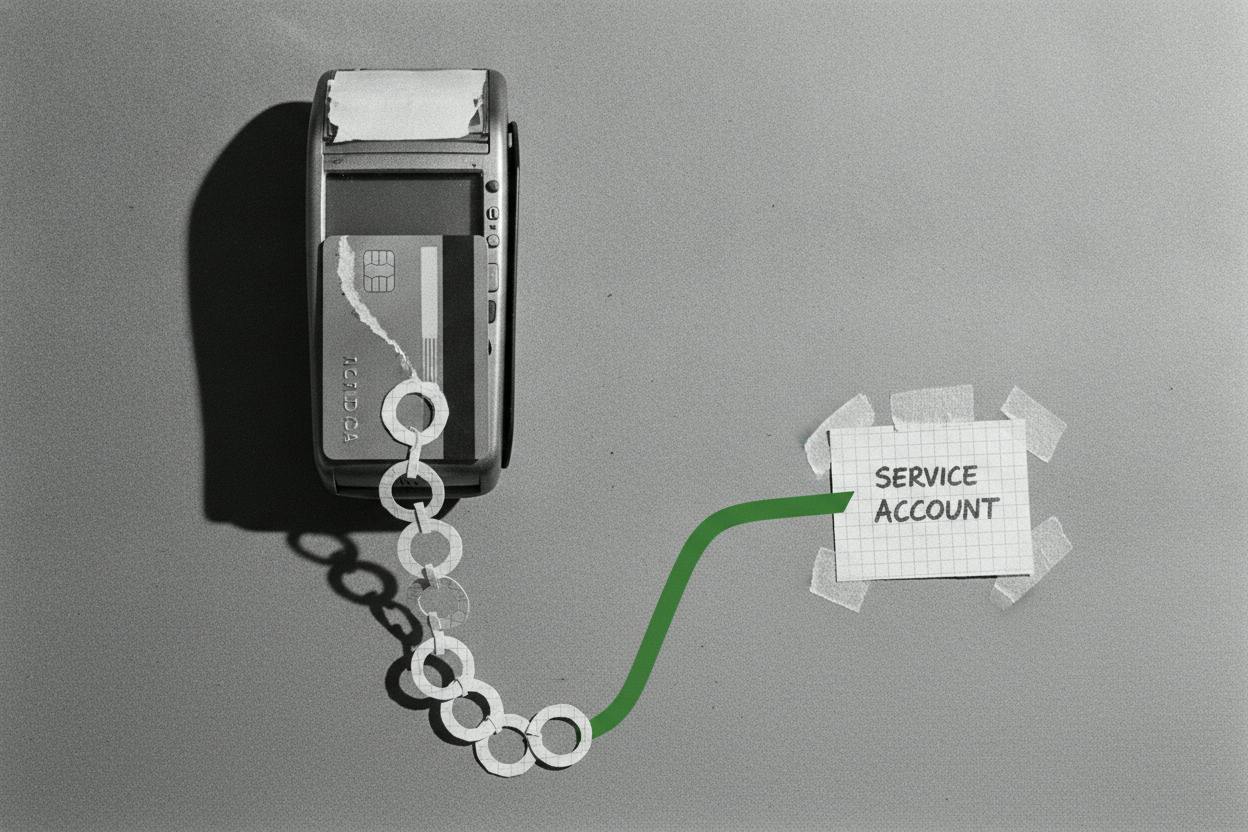
One route is the crypto-funded card purchase. Here, a customer uses a card that draws on crypto holdings, and the merchant never sees a single token. The crypto is converted into local currency at the point of sale, so the shop receives ordinary money. The other route is a direct crypto transfer, where funds move from a wallet into a service account through a dedicated crypto-funding process. Both are often lumped together as "crypto payments," but they connect the payer and recipient in fundamentally different ways.
What the card route actually does
In the card arrangements described in a16z crypto's August 2026 analysis, the conversion happens at the moment of purchase. The programmes studied mostly rely on stablecoins—crypto assets designed to track a reference currency, most commonly the US dollar. That design choice is key: stablecoins aim to hold a steady value, so the amount a customer spends is predictable in dollar terms.
The analysis recorded $759 million in July 2026 spending through these card programmes. That figure gives a sense of scale, but the more important takeaway is what the card route does not do. It does not require merchants to accept crypto, nor does it expose them to crypto price swings. For the merchant, it is just another card payment. For the customer, it is a way to spend crypto without finding a crypto-friendly store.
This is a meaningful distinction from direct transfers, where the recipient must have the technical setup to receive crypto. Direct transfers are more like sending funds from one account to another, but they require both sides to be comfortable with the asset itself.
Why the difference matters for investors
For everyday investors, the practical implication is about what a payment service actually does. A company that processes crypto card payments is handling conversion and settlement in fiat currency. A company that facilitates direct crypto transfers is moving digital assets between wallets. These are different businesses with different risk profiles, regulatory exposures, and revenue models.
Card-based crypto payments are closer to traditional payments infrastructure, just with a crypto funding source. They may appeal to consumers who want to use crypto for daily spending without worrying about merchant acceptance. Direct transfers, on the other hand, are more about moving value between crypto accounts, which could be for trading, saving, or paying a service that operates in crypto.
The distinction also matters for regulatory scrutiny. Card payments are typically subject to existing card network rules and consumer protections. Direct transfers may fall under different rules, especially around anti-money laundering and know-your-customer requirements. Investors should pay attention to which category a company's revenue falls into, because the risks and opportunities are not the same.
What to watch next
As crypto payments evolve, the lines between these two routes may blur. Some services already offer both options, letting users choose between spending crypto via card or transferring it directly. The growth of stablecoins is likely to keep pushing card-based payments forward, since their price stability makes them a natural fit for everyday transactions.
For those tracking the broader crypto market, the tokenized deposit products that blend crypto with traditional banking features are another sign of how the two worlds are converging. Similarly, crypto custody services from major banks are making it easier for institutions to hold digital assets, which could eventually feed into both card and transfer products.
The pause in some central bank digital currency projects to focus on fixing existing payments infrastructure is a reminder that the underlying rails matter as much as the assets moving over them. And as payments companies in emerging markets go public, the distinction between crypto-funded cards and direct transfers will become even more relevant for investors evaluating their business models.
For now, the key takeaway is simple: not all crypto payments are the same. Understanding whether a service converts crypto to cash at the point of sale or moves the digital asset itself can help you make more informed decisions about where to put your money—and what to expect from the companies facilitating those transactions.