Singapore-based data center operator DayOne is moving ahead with plans for a US initial public offering as soon as November. But the company is stepping into a market where investors are no longer handing out blank checks to anything labeled “AI infrastructure.”
Instead, the conversation has shifted to fundamentals: How much of the capacity is already contracted? And is the power actually secured? Those two questions are now central to how Wall Street values data center operators, and DayOne will have to answer them convincingly.
What DayOne does
DayOne operates data centers—the physical facilities that house the servers and computing equipment powering cloud services and artificial intelligence workloads. As AI adoption surges, demand for data center capacity has exploded, making these operators some of the most closely watched companies in tech infrastructure.
But building a data center is capital-intensive and slow. It requires land, construction, and, critically, access to reliable and affordable electricity. Power has become the bottleneck for the entire industry, with utilities and grid operators struggling to keep up with the energy demands of AI.
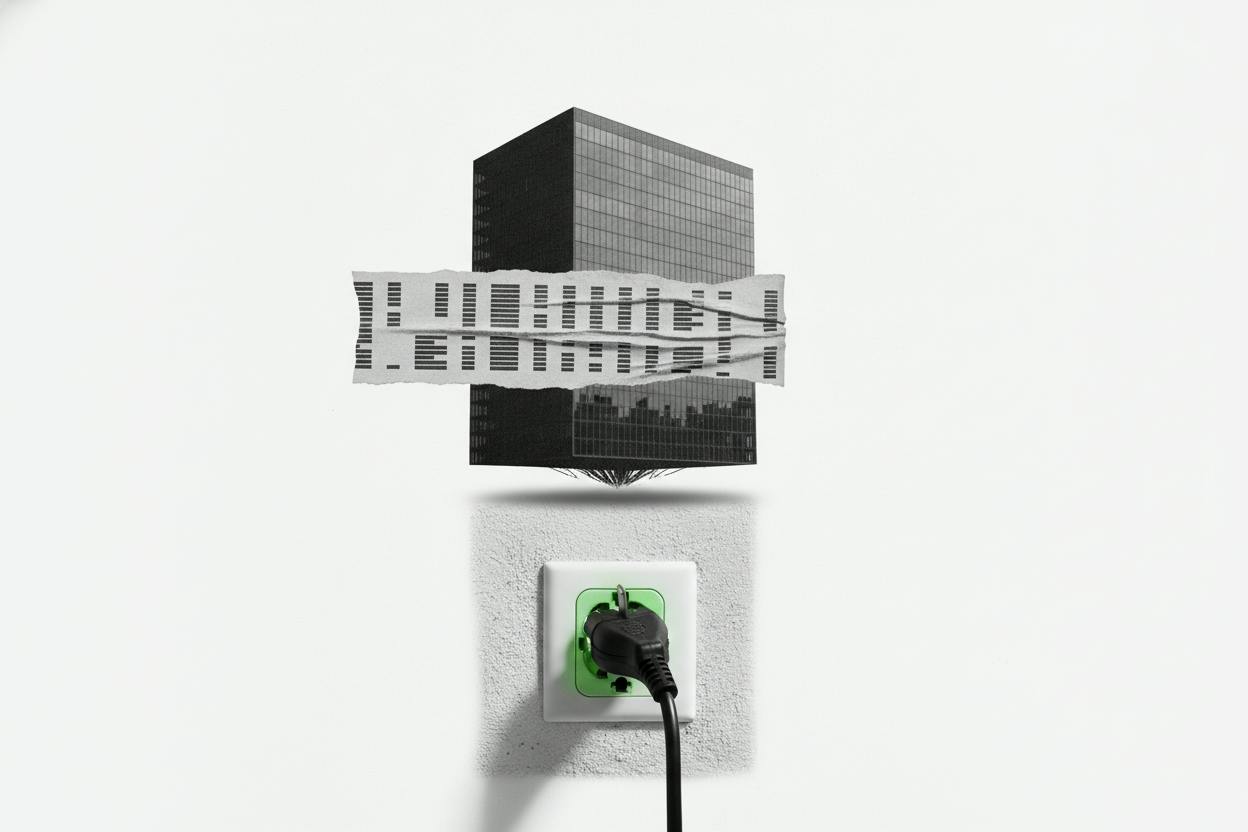
That is why investors are now drilling down on two specific metrics: contracted demand (how much of the capacity is already leased to customers) and secured power (whether the company has firm agreements for the electricity it needs). A data center with empty racks and unsecured power is a liability, not an asset.
A pickier market for AI plays
The broader market for AI-related stocks has cooled from the euphoria of the past couple of years. While the long-term story remains intact, investors have become more selective, rewarding companies with clear revenue visibility and punishing those that rely on promises.
This is especially true for capital-intensive businesses like data centers. The cost of borrowing has risen with interest rates, making it more expensive to fund construction. At the same time, high US yields have made investors more cautious about putting money into long-duration assets, which is what a data center IPO essentially is.
DayOne's timing is notable. The company is aiming for a November listing, a window that could be affected by market volatility and the US election. But if the deal goes through, it will be a test of whether investors are still willing to pay up for AI infrastructure plays.
What it means for investors
For everyday investors, the DayOne IPO is a case study in how to evaluate any company in the AI infrastructure space. The key is to look beyond the buzzword and focus on the business model.
First, check the customer base. A data center with long-term contracts from major cloud providers or large enterprises is far more stable than one relying on spot demand. Second, look at the power situation. Companies that have secured power purchase agreements or have access to reliable grids are in a stronger position than those that are still negotiating.
Third, consider the balance sheet. Data center operators carry heavy debt loads, and rising interest rates can squeeze margins. A company with manageable leverage and a clear path to profitability is a safer bet than one that is burning cash.
It's also worth remembering that IPOs are inherently risky. Early investors often face volatility, and the lock-up period can lead to selling pressure once insiders are allowed to sell shares. For most retail investors, it may be wiser to watch how the stock performs in the first few months rather than jumping in on day one.
The bigger picture
DayOne's IPO is just one piece of a larger trend. Data centers are becoming critical infrastructure for the digital economy, and their importance is only growing. But as the market matures, the distinction between winners and losers will become clearer.
Companies that can demonstrate real demand, secure power, and manage their finances well are likely to thrive. Those that can't may find themselves struggling to raise capital or facing write-downs.
The recent force majeure case involving Oracle highlights how even the biggest players face challenges in this space. And with US jobless claims falling, the economy remains resilient, but that doesn't mean every AI story will be a winner.
For now, all eyes are on DayOne's listing. If it succeeds, it could open the door for other data center operators to go public. If it stumbles, it may signal that the market's patience for unproven AI plays is wearing thin.
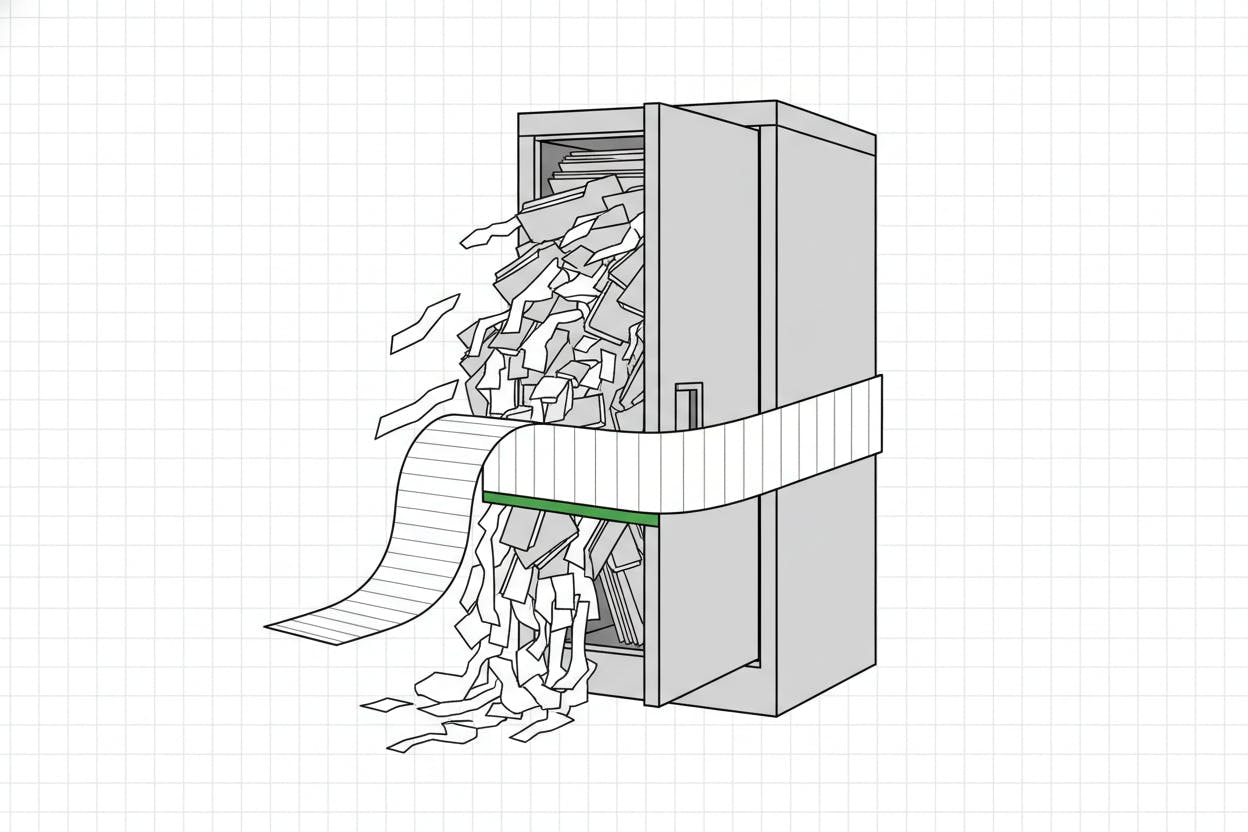
Either way, the message is clear: In the world of AI infrastructure, investors want to see the receipts.