Chinese artificial intelligence startup DeepSeek is moving quickly to capitalize on its recent momentum, reportedly in early talks with investors for a new funding round that could value the company at roughly $71 billion. The news comes just weeks after the company raised about $7 billion at a $52 billion valuation, according to reports from the Financial Times, Reuters, and Bloomberg News.
DeepSeek has rapidly become one of China's most prominent AI firms, gaining global attention for its V3 and R1 models. The company is now exploring a potential initial public offering (IPO) as soon as this year, a fast timeline for a startup still proving its business model. An IPO would allow everyday investors to buy shares in the company for the first time, though the timing and valuation remain uncertain.
What's Driving the Valuation Jump?
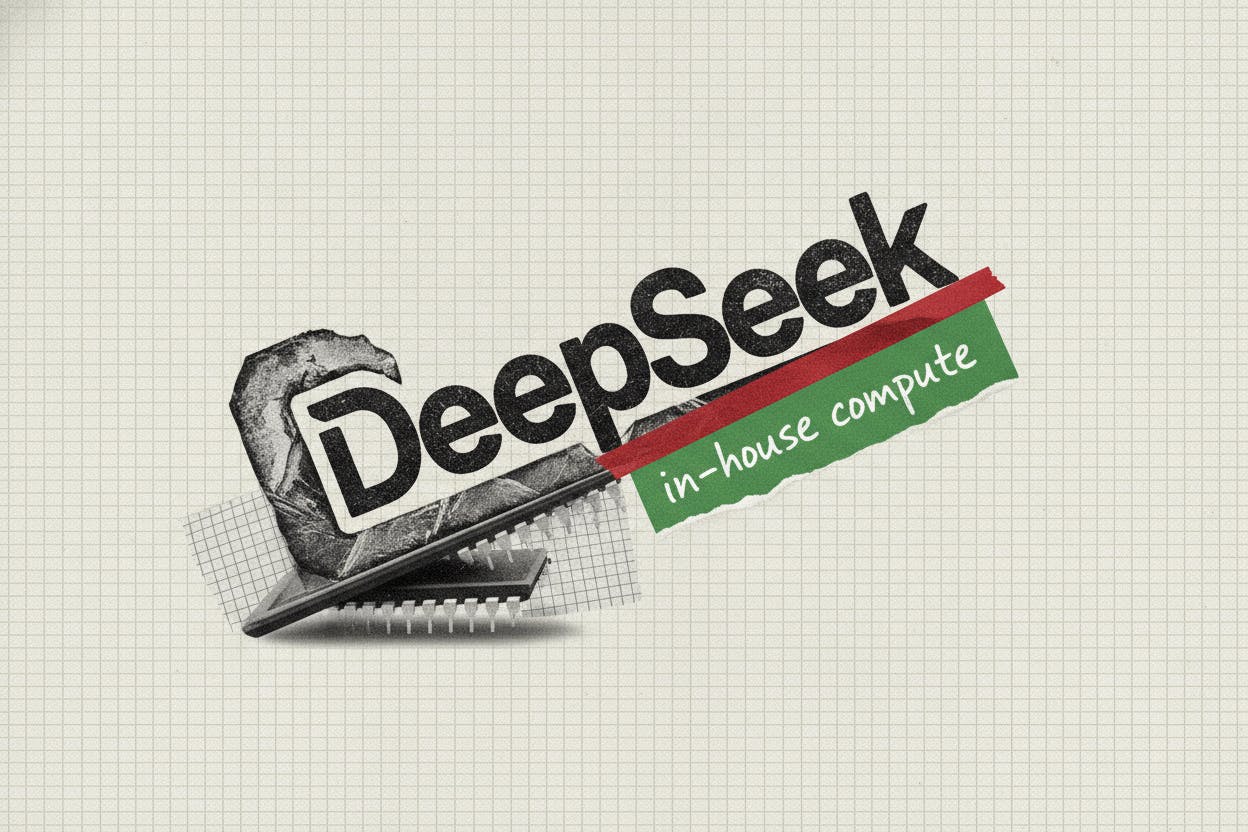
The leap from a $52 billion valuation in late May to talk of $71 billion reflects investor optimism about DeepSeek's growth prospects, but it also hinges on a key factor: the company's ability to control its own computing costs. AI models require massive amounts of computing power, often called "compute," which is powered by specialized chips and data centers. DeepSeek currently relies on chips from Nvidia and Huawei to train and run its models, but it is reportedly developing its own AI chip to reduce that dependence.
Building an in-house chip could give DeepSeek more control over its supply chain and costs, a critical advantage as AI companies face soaring expenses for hardware and electricity. If successful, this strategy could improve profit margins and support a higher valuation ahead of a potential IPO. However, chip development is expensive and complex, and there is no guarantee the effort will pay off quickly.
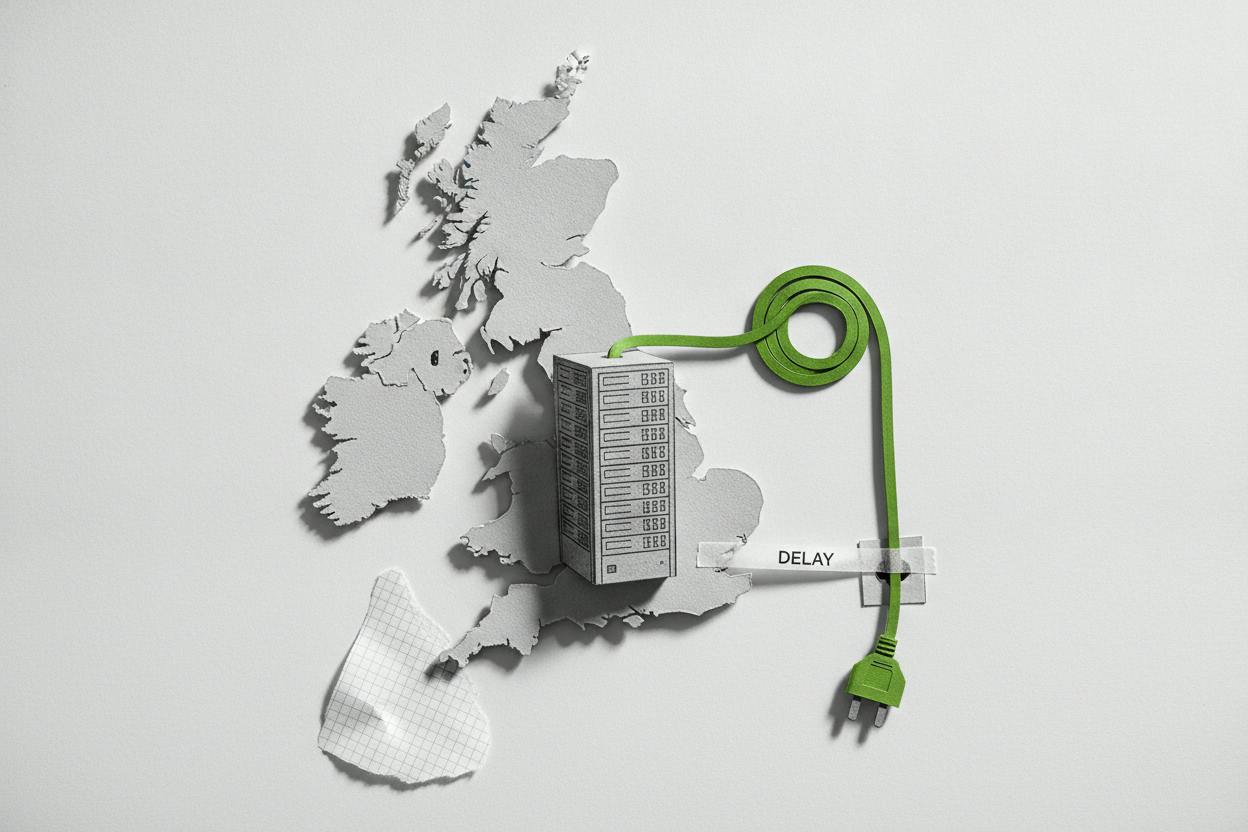
For context, other AI startups have faced similar challenges. The race to secure computing capacity has become a central theme in the industry, with companies like HCLTech planning AI data center platforms and data center operators like Switch eyeing their own IPOs to fund expansion.
What an IPO Would Mean for Investors
An IPO from DeepSeek would be a significant event for global markets, offering a rare chance to invest in a Chinese AI leader. But investors should approach with caution. The company is still early in its development, and its valuation will depend on whether it can turn buzz into sustainable profits.
For AI companies, the biggest swing factor is often compute costs. If DeepSeek can bring those costs under control with its own chip, it could support a higher pre-IPO price tag. If not, the valuation may rely more on model popularity than on durable margins, making it riskier for investors.
The fast timeline—potentially filing for an IPO this year—also raises questions. Most startups take years to go public, and DeepSeek's speed suggests it may be eager to raise capital while investor enthusiasm for AI remains high. However, a rushed IPO could mean less time to build a track record, which might lead to volatility in the stock's early trading.
Broader Market Context
DeepSeek's fundraising and IPO plans come amid a broader wave of activity in the AI and tech sectors. Other companies are also pursuing IPOs, such as data center operator Switch, which is reportedly targeting a $10 billion listing. Meanwhile, mergers and acquisitions are reshaping industries, from KKR's potential takeover of DCC to gold mining consolidation in Australia.
For everyday investors, the key takeaway is that DeepSeek's valuation is not just about hype—it's tied to real operational challenges. The company's ability to develop its own chips and manage costs will be crucial in determining whether it can deliver long-term value. As always, it's wise to watch how the story unfolds before making any investment decisions.