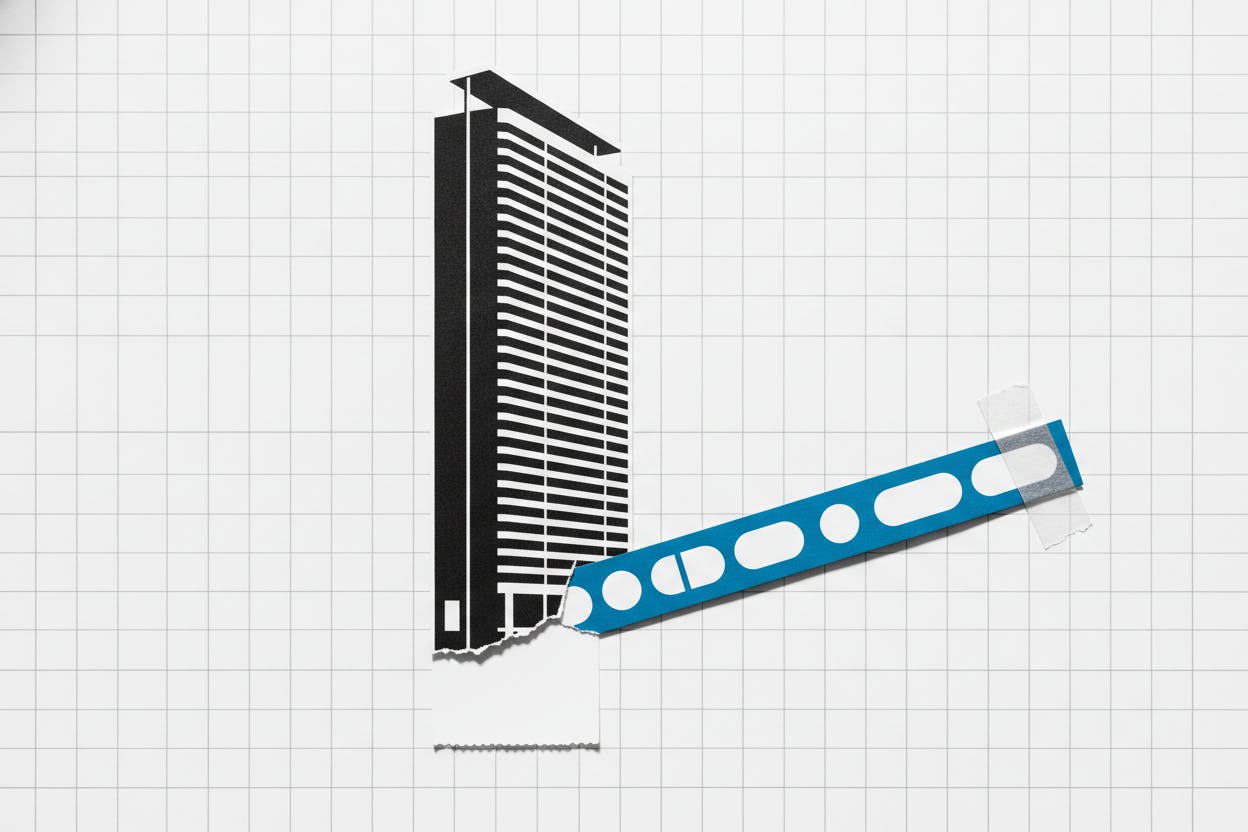
Australian property group Dexus has agreed to sell its 480 Queen Street office tower in Brisbane for AU$700 million, a deal that matches the asset's June independent valuation and provides a modest boost to the company's balance sheet. The transaction, disclosed in an exchange filing, involves a 50-50 joint venture between Dexus and the Dexus Wholesale Property Fund, a real estate fund it manages.
After adjustments, the net sale price comes to AU$657.3 million. That figure is about 4% below the property's December 2025 book value, underscoring a persistent gap between how assets are valued on paper and what buyers are actually willing to pay in today's market. For everyday investors, this gap is a reminder that accounting 'marks' can sometimes lag behind real-world transaction prices, especially in a period of higher interest rates and shifting demand for office space.
Deal structure and financial impact
The sale includes AU$70 million that will be deferred until June 2028, carrying a 6% coupon. That deferred payment acts like a loan from the seller to the buyer, giving the purchaser time to arrange financing while still providing Dexus with a steady income stream on that portion. The overall deal is expected to reduce Dexus's look-through gearing — a measure of debt relative to assets — by about 1 percentage point. While a single point may seem small, it signals a continued focus on deleveraging across the property sector as companies navigate higher borrowing costs.
Dexus's move is part of a broader trend among Australian real estate investment trusts (REITs) to trim debt and reposition portfolios. Many property groups have been selling non-core or underperforming assets to shore up their balance sheets, a theme seen in other sectors as well. For instance, Gerresheimer sold its plastics units to cut debt, illustrating how companies across industries are using asset sales to improve financial flexibility.
What it means for investors
For Dexus shareholders, the sale provides some near-term relief. The reduction in gearing, even if modest, helps lower the company's risk profile at a time when interest rates remain elevated and property valuations are under pressure. The fact that the sale price matched the June valuation suggests that Dexus was able to find a buyer at a fair price, avoiding a fire-sale discount that could have spooked the market.
However, the 4% discount to the December 2025 book value is a cautionary signal. It indicates that office property values may still be adjusting downward, particularly in markets where vacancy rates are rising and tenants are reassessing their space needs. Investors should watch for similar transactions from other REITs, as they could provide clues about where the market is heading.
The deferred payment structure also offers a glimpse into the financing environment. With a 6% coupon, the buyer is effectively paying a premium for time, reflecting the higher cost of capital in the current rate cycle. This is a common feature in commercial real estate deals today, as both buyers and sellers seek to bridge valuation gaps.
Broader market context
The Brisbane office market, like many globally, has faced headwinds from hybrid work trends and rising supply. Yet, prime assets in good locations still attract interest from institutional investors, particularly those with long-term horizons. Dexus's ability to secure a deal at valuation suggests that demand for well-located office towers remains, even if pricing has softened.
For everyday investors, this story highlights the importance of understanding how property companies manage their debt and asset portfolios. A sale like this can improve a company's financial health, but it also reflects the broader challenges in the commercial real estate sector. As always, diversification and a focus on quality assets remain key principles for navigating these markets.