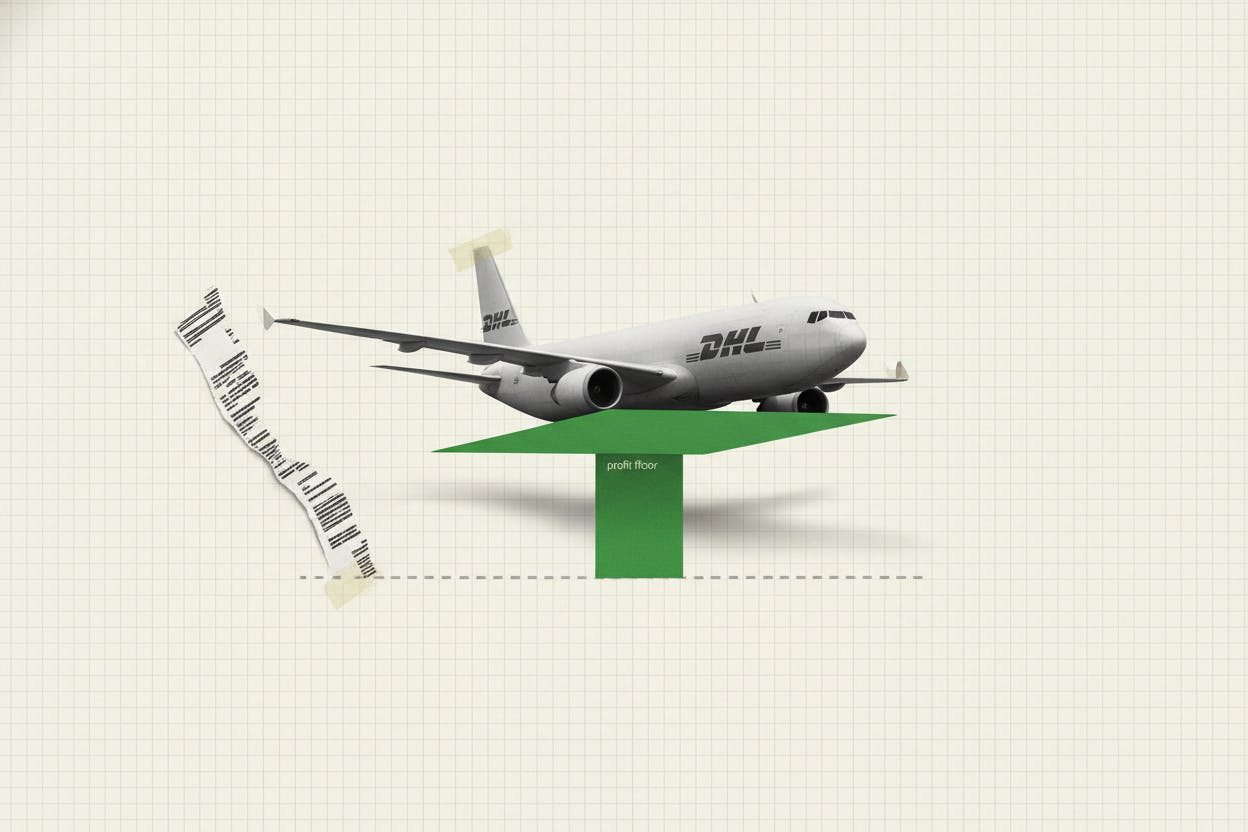
Shares of DHL Group have been in focus after Metzler, an equity research firm, raised its price target on the logistics giant to €65 and bumped up its earnings forecasts. The move reflects a belief that DHL's own 2026 operating profit target may be too cautious, with several tailwinds that could push results higher than the company's guidance.
What Metzler is saying
In a recent note, Metzler argued that DHL's 2026 target of more than €6.5 billion in operating profit (earnings before interest and taxes, or EBIT) has extra help on the way. The analysts point to roughly €250 million in gains linked to Middle East-related shortages and temporary price increases. Those disruptions, which have affected global shipping routes, have allowed logistics providers to charge higher rates on certain lanes.
But Metzler doesn't see that boost as the only reason to be optimistic. The firm also highlights steadier drivers that could keep profits from falling back once the Middle East effect fades:
- Postage hikes in Post & Parcel: DHL has been raising prices in its German mail and parcel business, a move that typically supports margins.
- Freight improvements: The Global Forwarding division, which handles air and ocean freight, appears to be turning around after a period of weak demand.
- Stronger industrial volumes: As manufacturing activity picks up, demand for logistics services tends to rise, benefiting DHL's Express and Supply Chain units.
Metzler's new price target of €65 implies meaningful upside from where the stock has been trading, though it's worth noting that price targets are just one analyst's view and can change.
Why the Middle East matters
The Middle East-related gains stem from disruptions in the Red Sea and other key shipping corridors. When routes are disrupted, capacity tightens and freight rates spike. Logistics companies like DHL can capture some of that pricing power, at least temporarily. Similar dynamics have been seen across the industry, with other firms also benefiting from Middle East disruptions boosting margins.
However, these gains are often viewed as one-off or cyclical. Once routes reopen and capacity normalizes, pricing power can fade quickly. That's why Metzler's emphasis on steadier drivers is important—it suggests the profit growth isn't solely dependent on a temporary shock.
What it means for investors
For everyday investors, the key takeaway is that DHL's management may be setting a conservative bar. If the company beats its own 2026 target, that could lead to positive earnings surprises and potentially higher share prices. But it's also a reminder that analyst forecasts are not guarantees—they're educated guesses based on current data.
Investors should also consider the broader picture. DHL operates in a cyclical industry tied to global trade. When the economy slows, logistics volumes drop, and when it picks up, they rise. The recent strength in industrial volumes is a positive sign, but it could reverse if economic conditions deteriorate.
It's also worth noting that DHL's stock has been under pressure in recent years, like many European industrials. A higher price target from Metzler could help sentiment, but it's just one firm's view. Other analysts may have different opinions, and the stock could still face headwinds from currency moves, fuel costs, or labor issues.
Looking ahead
Investors will be watching DHL's next earnings report for signs that the momentum is holding. Key metrics to track include revenue growth in the Express division, margin trends in Post & Parcel, and any commentary on freight rates. The company's ability to sustain price increases in its mail business will also be closely watched, as that division has been a steady cash generator.
Metzler's note is a reminder that even when a company sets a target, there can be room for upside. For those holding DHL shares, the news is encouraging, but it's always wise to diversify and not rely on a single stock's performance.
For context on how other companies are navigating similar conditions, see MTN's half-year results and the latest market moves.