Two of the world's biggest spirits makers are heading into talks with India's commerce ministry over a proposed trade deal with the UK that could shape how Scotch whisky is priced and sold in one of the world's fastest-growing alcohol markets.
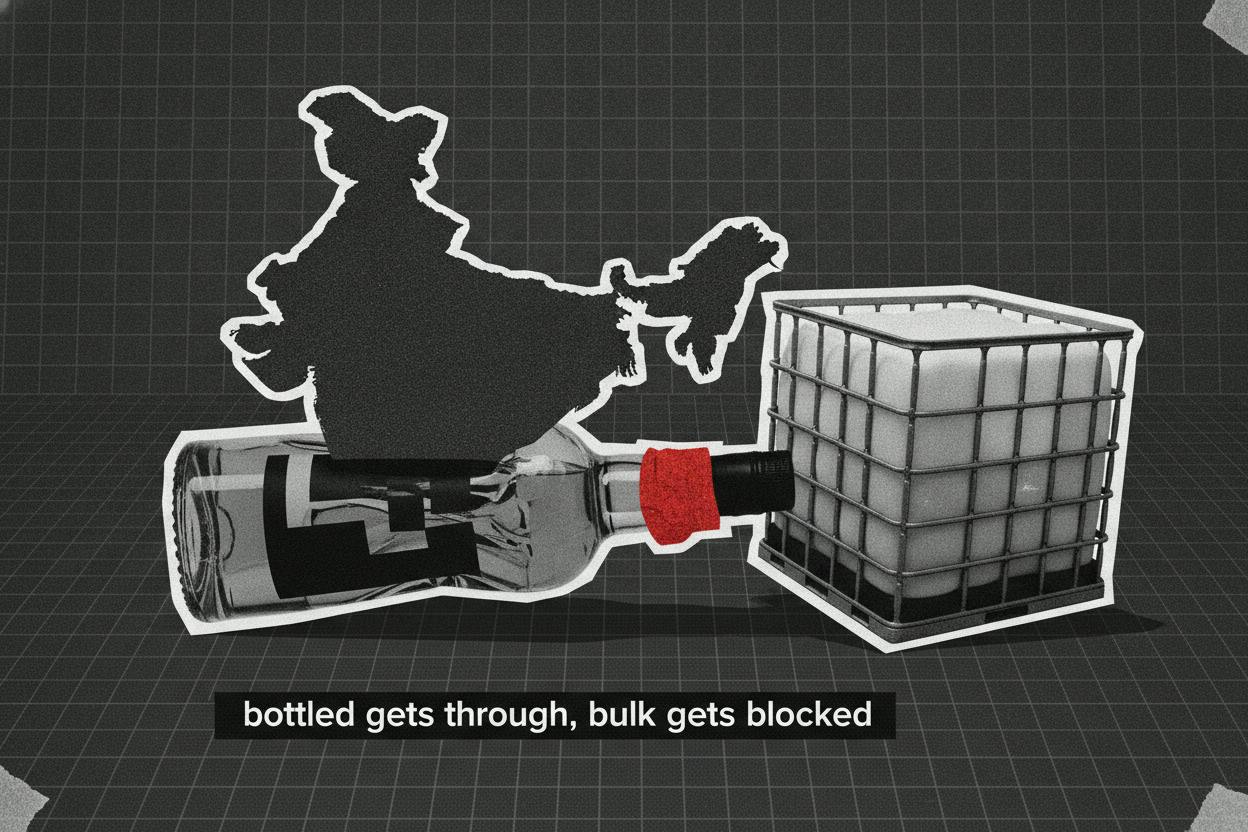
Diageo and Pernod Ricard, which together control a large share of the global Scotch market, are pushing back against a draft approach that would cut import duties on bottled Scotch while keeping higher tariffs on bulk Scotch shipped in large containers for bottling in India. Reuters reported the companies will meet Indian officials after an industry group warned about the plan in an October 27 letter.
What's at stake in the tariff split
India currently imposes steep import duties on foreign spirits, which makes Scotch whisky significantly more expensive than locally produced alternatives. A trade deal with the UK could lower those barriers, but the details matter enormously for how companies get their product to market.
Bottled Scotch arrives in India ready to sell, but it's costly to ship because of the glass and weight. Bulk Scotch, by contrast, is transported in large containers and then bottled locally, which is cheaper and allows companies to avoid some of the logistics costs. That's why many distillers use bulk shipments as their primary route into the Indian market.
If tariff cuts apply only to bottled Scotch, companies like Diageo and Pernod Ricard would face a choice: keep paying high duties on their cheaper bulk imports, or switch to more expensive bottled shipments and pass the cost on to consumers. Either way, their profit margins and pricing strategies would be affected.
The industry's concern is that such a split would undermine the purpose of a trade deal, which is meant to open markets and reduce costs. It could also give an advantage to local Indian whisky producers, who don't face these import duties and already dominate the market with cheaper blends.
Why India matters for Scotch
India is the world's largest whisky market by volume, but most of what's consumed there is Indian-made. Scotch whisky has long been a premium product in India, with high tariffs making it a luxury item. For Diageo and Pernod Ricard, India represents a huge growth opportunity if tariffs come down, because a larger middle class is increasingly willing to pay for imported brands.
Diageo, which owns Johnnie Walker, and Pernod Ricard, which owns Chivas Regal and Ballantine's, have both invested heavily in India. They've built bottling plants and distribution networks to serve the market. A tariff structure that penalises bulk imports would complicate those investments and could slow their expansion plans.
The talks come as India and the UK negotiate a broader free trade agreement, which has been in progress for several years. Trade deals of this kind typically involve complex bargaining over sensitive sectors, and alcohol is often one of the most contentious because of its cultural and revenue implications.
What it means for investors
For everyday investors, the outcome of these talks matters because it could affect the earnings of two major global spirits companies. Diageo and Pernod Ricard are both listed on major stock exchanges, and their performance in emerging markets like India is a key driver of growth.
If tariffs on bulk Scotch are reduced, these companies could see lower costs and higher sales volumes in India, which would likely be positive for their share prices. If the tariff cut is limited to bottled Scotch, they might face higher costs or be forced to raise prices, which could hurt demand and margins.
Investors should also watch how the broader India-UK trade deal progresses, as it could have implications beyond whisky. A successful deal might boost sentiment for Indian stocks and UK exporters alike. Recent market moves in India have been influenced by factors like oil prices and corporate earnings, as seen in Indian stocks rising on oil retreat and Reliance's profit beat. Tariff changes could add another layer of impact.
The spirits industry is also watching because India's tariff policy affects not just Scotch but other imported alcoholic beverages. A precedent set here could influence future trade negotiations with other countries.
What to watch next
The meeting between Diageo, Pernod Ricard, and India's commerce ministry is the next key event. Investors will be looking for any signals about whether the bulk tariff issue is likely to be resolved in the final trade agreement.
Also worth watching is how India's government balances its desire for trade deals with its need to protect domestic industries. India has a large domestic spirits industry, and any tariff cuts could face political opposition from local producers.
For now, the situation remains fluid. Trade negotiations often go down to the wire, and the final terms could differ from the draft. But the fact that two major global companies are directly engaging with the government shows how high the stakes are.
As India's auto stocks rally on strong sales and other sectors show resilience, the spirits industry is hoping for a similar boost from trade liberalisation. Whether that happens depends on the details of the deal.