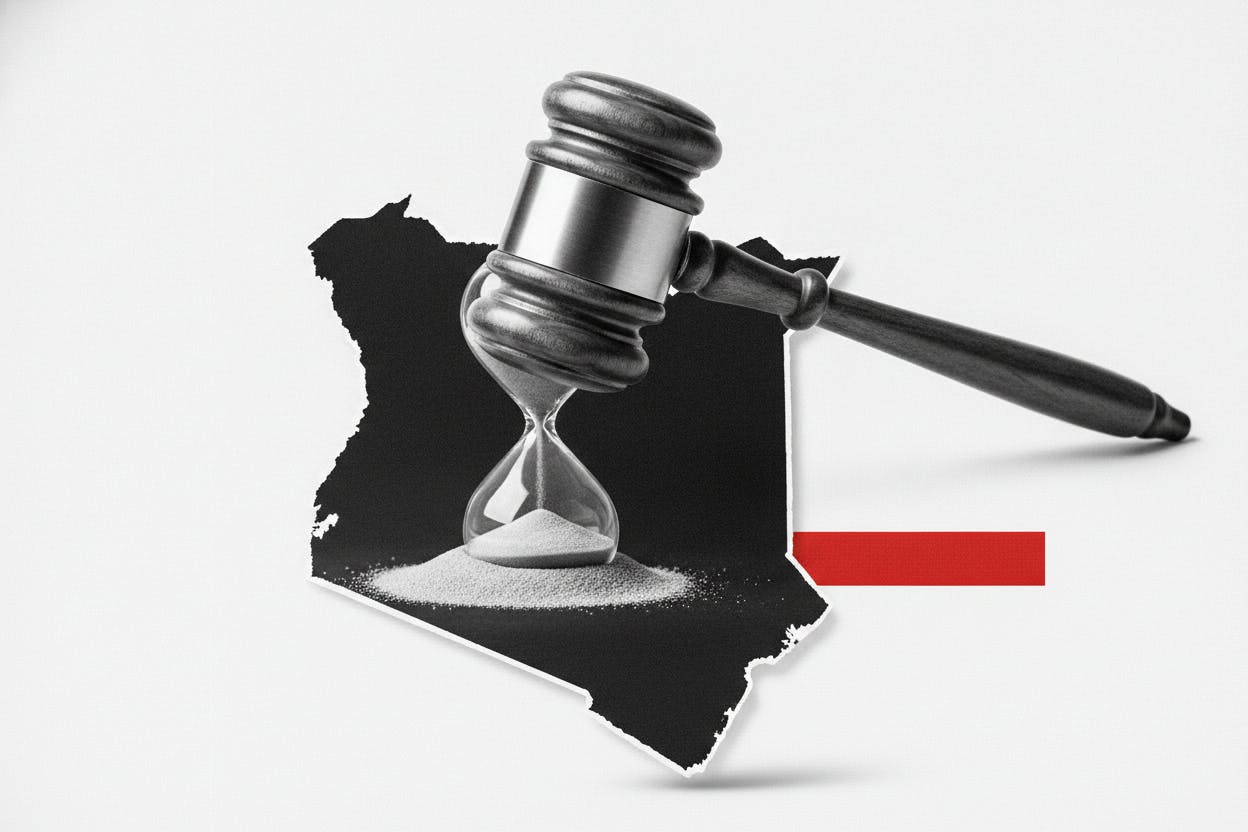
Diageo's long-running effort to sell its majority stake in East African Breweries (EABL) to Japan's Asahi has hit yet another legal snag. A minority shareholder secured a fresh court order blocking the $2.3 billion deal, prompting EABL to ask Kenya's Chief Justice Martha Koome to fast-track hearings and prevent a cascade of conflicting rulings.
What happened
The latest injunction, issued last week by the High Court in Machakos, marks the fourth legal challenge tied to the transaction. Earlier cases briefly blocked the sale before being dismissed. EABL argues that the new case is essentially seeking relief that the High Court in Nairobi has already refused, and warns that a “proliferation of parallel proceedings” raises the risk of contradictory judgments.
Diageo announced the deal in December as part of a broader turnaround strategy. The London-based spirits giant plans to sell its 65% stake in EABL to Asahi, the Japanese brewer best known for its namesake beer and other beverages. The transaction is valued at $2.3 billion, a significant sum for a company that has been streamlining its portfolio.
Why the legal fight matters
Cross-border acquisitions and divestments are complex operations that depend on tight contractual and regulatory calendars. Each new injunction—even if later thrown out—forces extra hearings, appeals, and potential delays. That makes the timetable harder to trust, and can push closing dates beyond the deadlines baked into the sale agreement.
Diageo and Asahi have said they still expect to close the deal in the second half of this year. But with each new court order, that timeline becomes less certain. For Diageo, the delay turns an expected cash inflow into something investors must discount for uncertainty.
What it means for investors
For Diageo shareholders, the key question is timing. The $2.3 billion from the EABL sale is earmarked to help fund the company's broader turnaround, which includes focusing on premium brands and cutting costs. If the cash arrives later than expected, it could slow the pace of that strategy or force Diageo to tap other sources of funding.
The legal saga also highlights the risks of investing in emerging markets, where court systems can be unpredictable and minority shareholders sometimes use litigation to extract concessions. While Diageo has navigated such challenges before, each new hurdle adds to the cost and complexity of the deal.
For investors in Asahi, the delay is less immediately impactful, since the Japanese brewer is not relying on the acquisition for near-term cash flow. But the longer the legal fight drags on, the more it could distract from Asahi's own growth plans in Africa and other markets.
Broader market context
The EABL sale is part of a wider trend of global beverage companies reshaping their portfolios. Diageo has been selling non-core assets to focus on higher-margin spirits like Johnnie Walker and Guinness. Asahi, meanwhile, has been expanding beyond its home market in Japan, seeking growth in Africa and other regions.
Kenya's legal system has been a source of uncertainty for foreign investors in recent years, though the country remains one of East Africa's most attractive markets for consumer goods. The outcome of this case could set a precedent for how minority shareholder disputes are handled in large cross-border deals.
What to watch next
All eyes are on Chief Justice Koome's response to EABL's request for fast-tracked hearings. If she grants it, the case could move quickly, potentially clearing the way for the sale to close in the second half of the year. If not, the legal battle could drag on, raising the risk that the deal falls through or requires renegotiation.
Diageo's next earnings report, expected later this year, will likely include an update on the sale's progress. Investors should also watch for any statements from Asahi about its commitment to the deal, which could signal whether the Japanese brewer is willing to wait out the legal challenges.