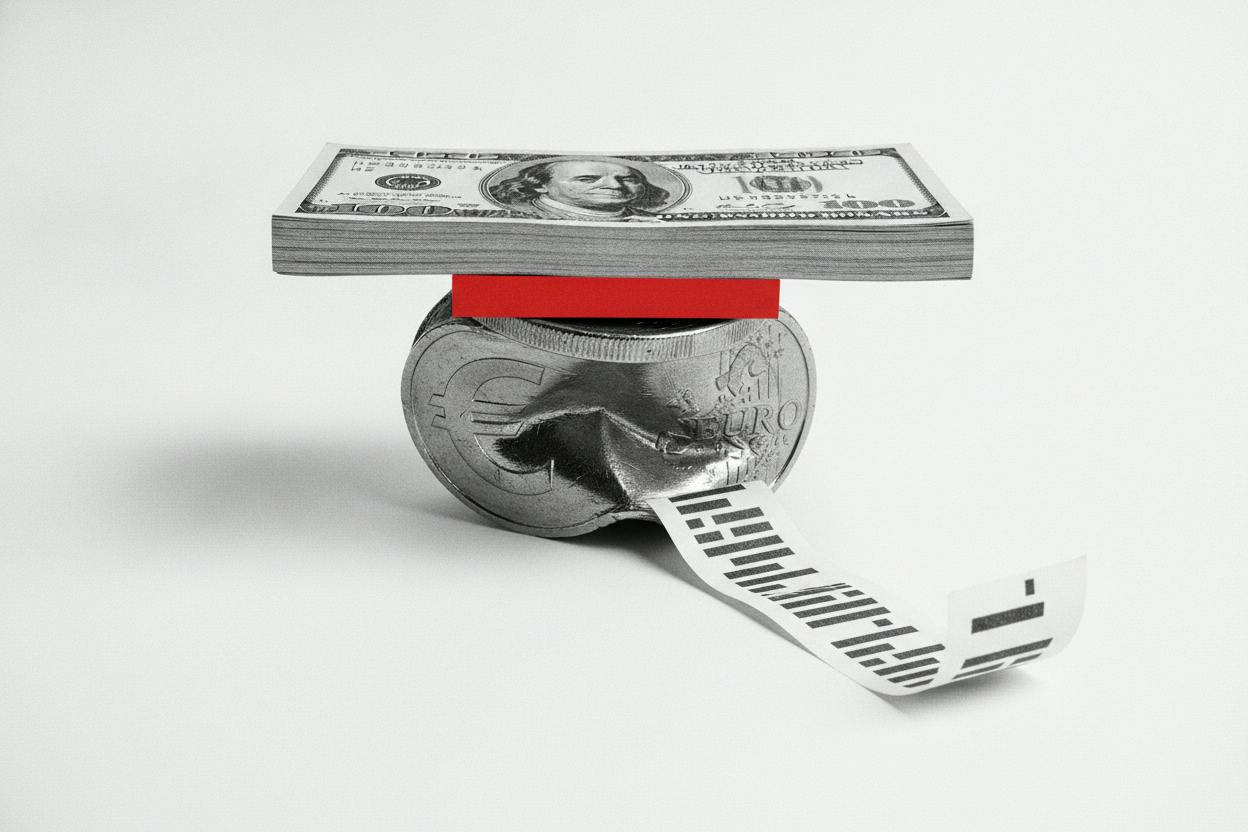
The US dollar is on a tear against the euro this month, with the greenback up nearly 2.5% in September. That move has pushed the euro toward its lowest level since May 2025, as traders bet on a resilient US economy and higher-for-longer interest rates.
The euro briefly touched $1.1312 on Tuesday, a level not seen in months, before bouncing slightly. The weakness isn't just a dollar story—the euro also slipped against the yen, trading near support around 178 yen, suggesting broader pressure on the European currency.
Why the dollar is winning
The dollar's strength reflects a growing divergence between the US and European economies. US growth has remained firmer than expected, and that has kept US interest rates relatively high. Higher rates make dollar-denominated assets more attractive to global investors, which boosts demand for the currency.
In Europe, the picture is murkier. The region has been dealing with swings in energy prices and renewed worries about government debt levels. These concerns have weighed on the euro, making it harder for the currency to hold its ground against the dollar.
Currency moves like this matter for everyday investors because they affect the value of international holdings, the cost of imported goods, and the returns on overseas investments. A stronger dollar means US investors holding foreign assets see lower returns when converted back to dollars, while US exporters may find it harder to compete abroad.
What traders are watching next
All eyes are now on two key US data releases that could shape the next move in currencies and interest rates. The first is the core Personal Consumption Expenditures (PCE) price index, the Federal Reserve's preferred inflation gauge. The second is Friday's jobs report, which will give a fresh read on the labor market.
If inflation comes in hot or job growth surprises to the upside, traders will likely push back expectations for rate cuts, giving the dollar another boost. Conversely, weak data could revive bets on easier Fed policy and take some wind out of the dollar's sails.
For the euro, much depends on how Europe's energy situation and debt concerns evolve. Any escalation in those areas could push the currency lower, while signs of stabilization might help it recover.
What it means for investors
For everyday investors, a stronger dollar has mixed implications. If you hold US stocks, a strong dollar can be a headwind for multinational companies that earn a big chunk of revenue overseas, because those foreign earnings are worth less when converted back to dollars. On the other hand, a strong dollar can make imported goods cheaper, which may help keep inflation in check.
For those with international investments, the currency effect is direct: a weaker euro means European stocks and bonds are worth less in dollar terms. That's something to keep in mind when assessing the performance of a globally diversified portfolio.
Currency markets are notoriously hard to predict, and the current trend could reverse quickly if data surprises. But for now, the dollar's momentum is clear, and the upcoming data releases will likely determine whether it continues.
In related news, the strong dollar is also pressuring Latin American markets, and the yuan is heading for a seventh quarterly gain as exporters convert dollars. These moves highlight the global ripple effects of a firmer greenback.