The US dollar fell to its weakest level against the euro in three months on Tuesday, as currency traders weighed a Treasury plan to significantly expand buybacks of long-dated government bonds and looked ahead to a key speech from Federal Reserve Chair Kevin Warsh at the Jackson Hole symposium.
The move extends a recent softening in the greenback, which has been under pressure as markets reassess the path of US interest rates and the government's debt management strategy.
What's driving the dollar lower?
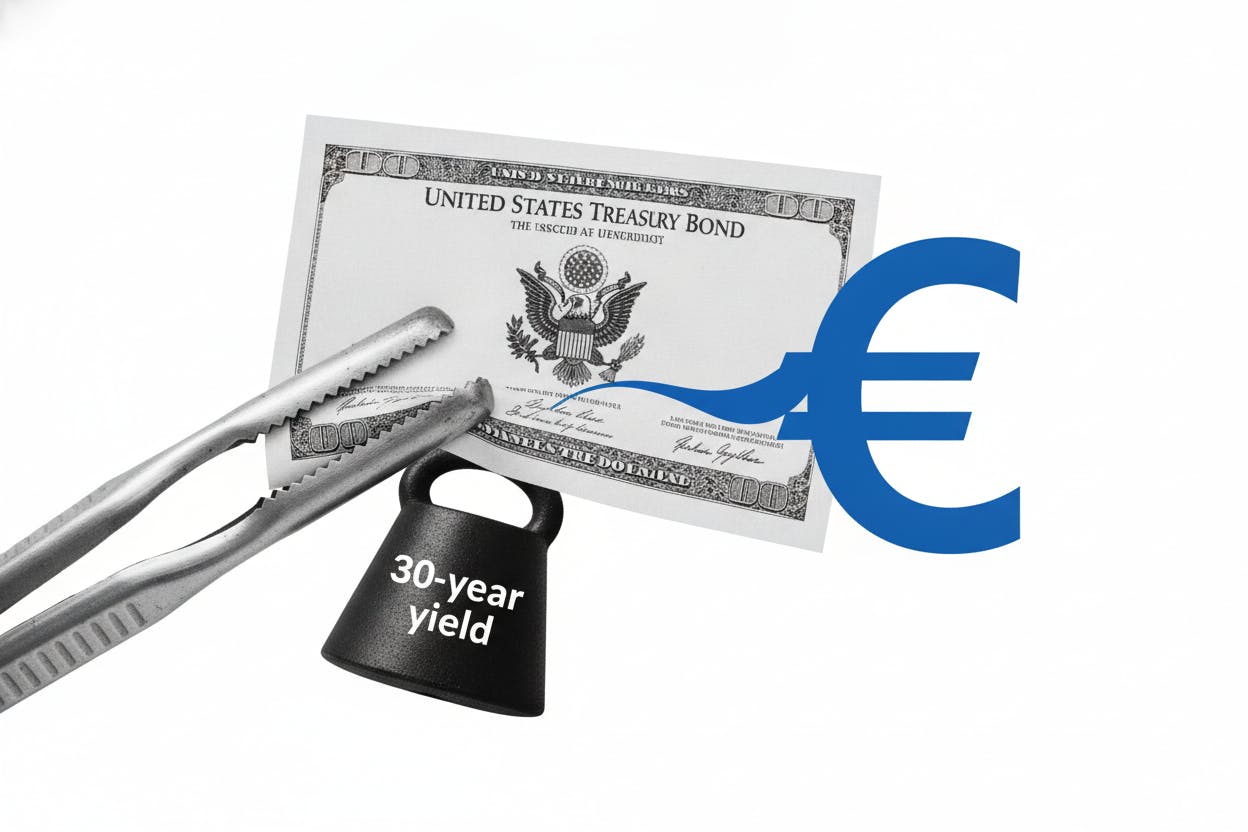
At the center of the move is the Treasury Department's buyback program. In simple terms, this is the government buying back its own debt in the open market. The department has pledged to at least double its repurchases of longer-maturity Treasuries, and officials have signaled that those buybacks could rise further.
In theory, taking more long-term bonds off the market reduces the supply investors have to hold, which can ease upward pressure on long-term yields. But in practice, yields have actually climbed, with the 30-year Treasury yield recently hitting its highest level since 2007. That disconnect has left traders scratching their heads and has added to nervousness in currency markets.
Why would yields rise if the Treasury is buying bonds? One reason is that the buyback program is relatively new and investors are still figuring out its implications. Another is that the broader supply of government debt remains enormous, and the Federal Reserve is no longer buying bonds as it did during the pandemic. So even with buybacks, the net supply of long-dated Treasuries that investors must absorb is still large.
Jackson Hole takes center stage
Adding to the uncertainty is the upcoming speech by Fed Chair Kevin Warsh at the Jackson Hole economic symposium, an annual gathering of central bankers and economists. Markets will be listening closely for any hints about the future path of interest rates.
Warsh, who has been a vocal advocate of tighter monetary policy, is expected to address inflation and the labor market. Traders are particularly keen to hear whether the Fed is leaning toward cutting rates later this year or holding them steady to ensure inflation is fully under control.
The dollar's slide suggests that many investors are betting the Fed will eventually ease policy, which tends to make the dollar less attractive. Lower interest rates reduce the yield advantage of holding US assets, so currencies like the euro can gain ground.
What it means for investors
For everyday investors, a weaker dollar has several knock-on effects. It can boost the returns of international investments when converted back into dollars, and it often supports commodity prices, which are priced in dollars. Indeed, gold has been rallying even as Treasury yields climb, a sign that investors are hedging against currency and rate uncertainty.
It also affects multinational companies. A softer dollar makes US exports more competitive abroad, but it can squeeze the earnings of companies that rely heavily on overseas revenue when those profits are translated back into dollars. Stock markets have been volatile as yields hover near multi-decade highs, and the dollar's moves add another layer of complexity.
For those with money in bond funds, the rise in long-term yields is a reminder that bond prices fall when yields rise. Investors holding long-duration bonds have seen their values decline, and the Treasury's buyback plans may not be enough to reverse that trend if the market remains focused on supply and inflation.
What to watch next
The immediate focus is on Warsh's Jackson Hole speech, which could set the tone for markets in the coming weeks. If he signals a willingness to cut rates, the dollar could weaken further. If he strikes a hawkish note, the greenback might bounce back.
Traders will also be watching the Treasury's actual buyback operations to see how aggressively they are executed. The dollar has already slipped ahead of US data, and any surprises in economic releases could add to the volatility.
For now, the currency market is in a waiting game, with the dollar's fate tied to the delicate balance between government debt management, Fed policy, and the health of the global economy.