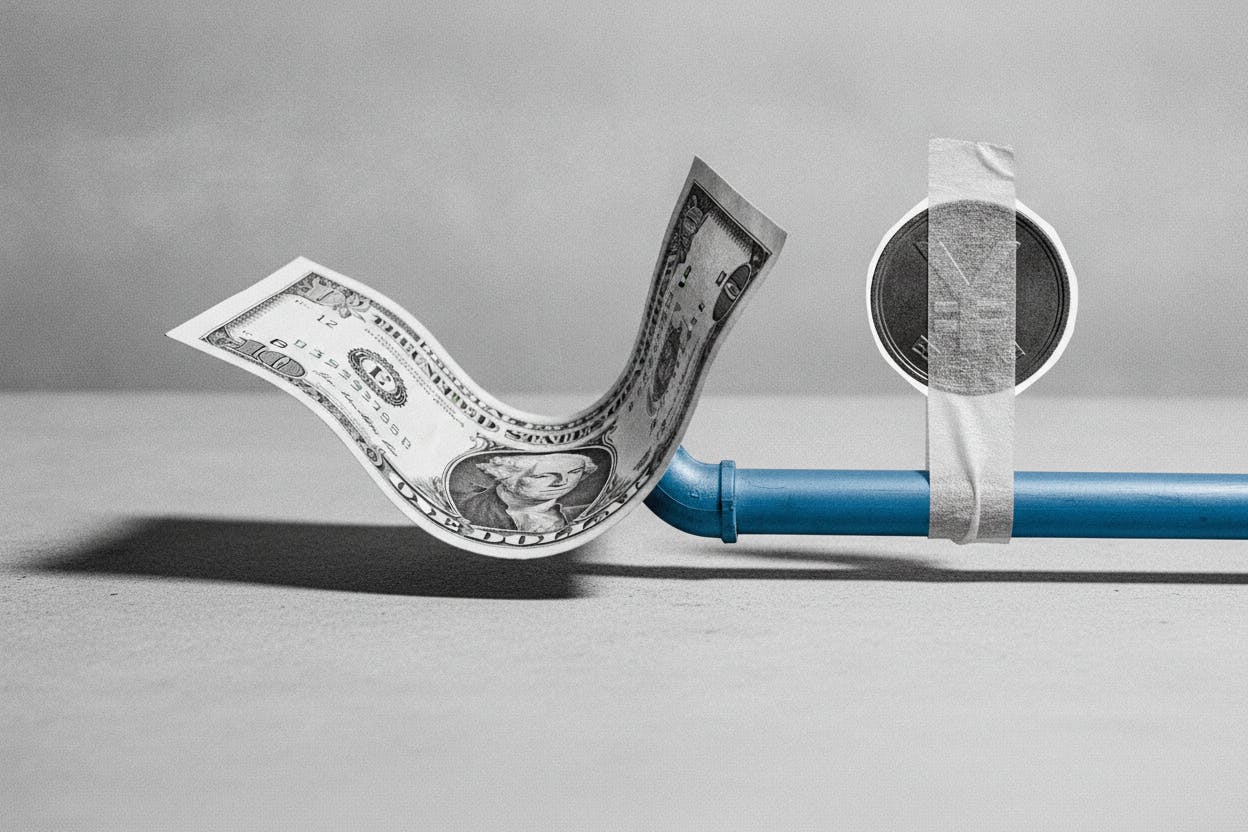
The US dollar started the week on the back foot, easing in thin holiday trading even as futures markets continued to price in a roughly 57% chance that the Federal Reserve raises interest rates at its September meeting. The move came as oil-linked inflation worries and a firmer Japanese yen weighed on the greenback, according to Reuters.
With US markets closed for a holiday, trading volumes were light, but the dollar still gave back some of the pop it enjoyed after last week's stronger-than-expected jobs report. The dollar index, which measures the currency against a basket of major peers, sat around 99.09 — not far from a recent low near 98.558. The euro edged up to $1.1618, while the pound held near $1.3519.
Why the dollar is wobbling
The dollar's dip is notable because it comes even as rate hike expectations have climbed. Higher interest rates typically make a currency more attractive to investors, so a rising chance of a Fed hike would normally support the greenback. But other forces are pulling in the opposite direction.
One is oil. Crude prices have been firm, and that feeds into inflation concerns. If energy costs stay elevated, they could push consumer prices higher, which might prompt the Fed to act more aggressively. But for the dollar, higher oil prices can be a double-edged sword: they raise import costs and can weigh on economic growth, making investors cautious about the US outlook.
The other factor is the yen. Japan's currency has been strengthening, and a firmer yen tends to weigh on the dollar because it reduces the appeal of dollar-denominated assets for Japanese investors. The yen's move also reflects broader shifts in global capital flows, which can ripple through currency markets.
What's next: Friday's inflation report
The next major catalyst for the dollar — and for markets more broadly — is Friday's US inflation report. The consumer price index (CPI) is the Fed's preferred gauge for tracking price pressures, and a hot reading could tip the central bank toward a rate hike this month.
Brown Brothers Harriman, a financial services firm, said a hot CPI reading would likely reinforce the case for a September move. That would be a significant shift, as the Fed has been signalling that it wants to see more evidence that inflation is cooling before committing to further tightening.
Investors will be watching the inflation data closely, especially after last week's jobs report showed the labor market remains resilient. A strong economy gives the Fed more room to raise rates without worrying about stalling growth, but it also means inflation could stay stickier than hoped.
What it means for investors
For everyday investors, the dollar's moves matter in a few ways. A weaker dollar can be a tailwind for US multinational companies, because their overseas earnings are worth more when converted back into dollars. It can also support commodity prices, since many raw materials are priced in dollars and become cheaper for foreign buyers when the dollar falls.
On the flip side, a weaker dollar can make imports more expensive, which could feed into inflation. That's one reason the Fed is keeping a close eye on currency movements.
For those with international investments, currency swings can add volatility. A softer dollar means foreign assets — like European or Japanese stocks — are worth more in dollar terms, which can boost returns for US investors. But it also means that a sudden dollar rebound could erase those gains.
The broader takeaway is that the dollar's direction is far from settled. With the Fed's next decision just weeks away, and inflation data still uncertain, expect more two-way movement in currency markets. As always, diversification and a long-term perspective remain the best tools for navigating these swings.
For more on how the inflation report could shape Fed policy, see our analysis of the upcoming CPI release. And for context on how rate hike bets have been moving, check out how last week's jobs data shifted expectations.



