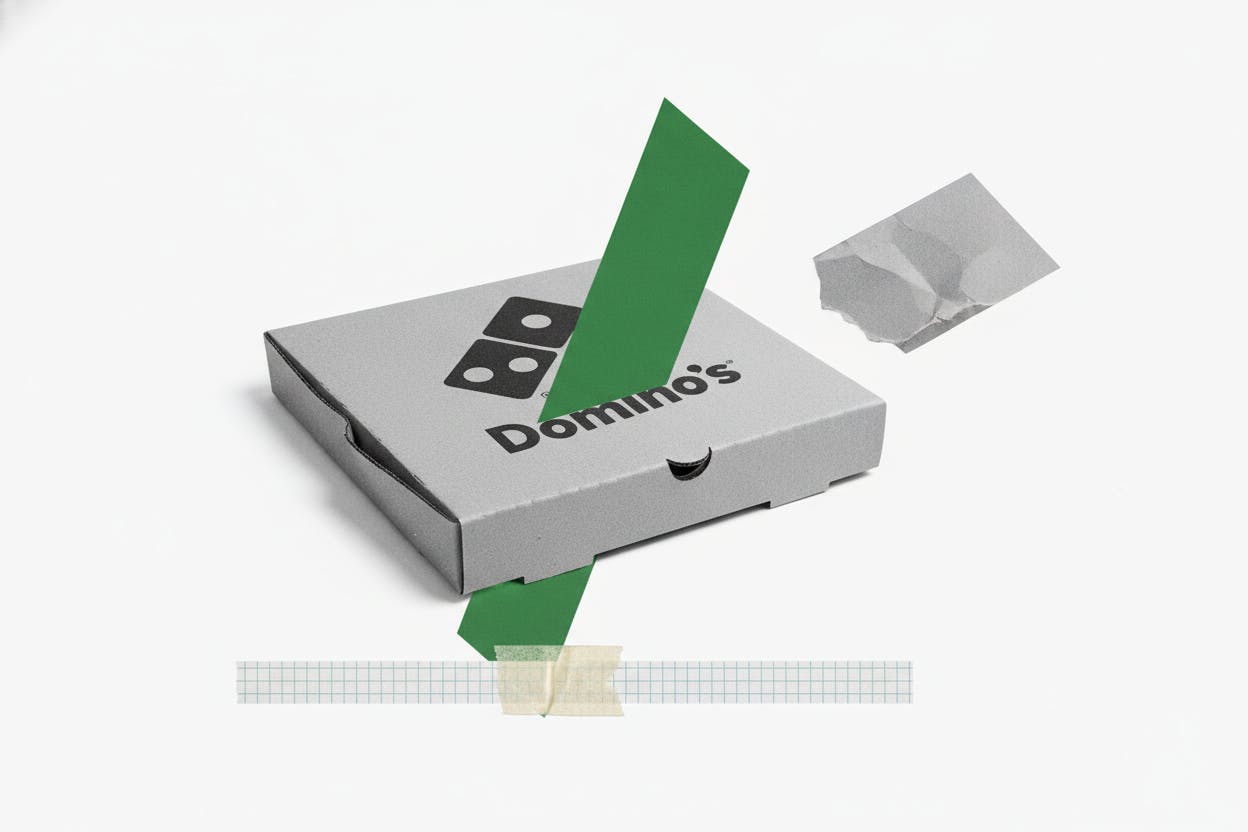
Domino's Pizza Enterprises, the ASX-listed operator that runs the Domino's brand across 12 countries, has announced a major restructuring that includes A$259 million in write-downs and plans to shut up to 60 underperforming stores. The moves come as the company reassesses its operations in France and Taiwan, two markets that have struggled to meet expectations.
Breaking down the charges
The bulk of the A$259 million hit is made up of non-cash impairment charges, meaning they are accounting adjustments rather than actual cash leaving the business. The largest component is A$116.2 million tied to weaker-than-expected trading assumptions in France and slower growth in Taiwan. An additional A$142.8 million is spread across technology assets, underperforming stores, inventory, and loans made to franchisees.
Impairments occur when a company determines that the value of an asset on its books is higher than what it can realistically recover through future cash flows. For everyday investors, this is a signal that the business is acknowledging past investments did not pan out as hoped, but it does not necessarily mean the company is burning through cash.
Why France and Taiwan?
France has been a challenging market for Domino's Pizza Enterprises for some time. The country's competitive pizza delivery landscape, combined with changing consumer habits and economic pressures, has made it difficult for the company to grow profitably there. Taiwan, meanwhile, has not delivered the rapid expansion the company once anticipated, leading to a reassessment of its long-term potential.
The decision to close up to 60 stores is a clear sign that management is willing to cut its losses in underperforming locations rather than continue pouring resources into them. This kind of portfolio pruning is common in the restaurant industry, especially when a company operates across multiple countries with varying economic conditions.
Holding the profit outlook steady
Despite the hefty write-downs and store closures, Domino's Pizza Enterprises is maintaining its fiscal 2026 profit outlook. That suggests management believes the restructuring will ultimately strengthen the business by freeing up capital and management attention for better-performing markets. Investors often view such moves as a positive signal, as long as the underlying business remains healthy.
The company's decision to hold its forecast also indicates that the impairments are largely backward-looking adjustments rather than a reflection of a deteriorating overall business. However, investors will want to watch how same-store sales trend in the coming quarters, especially in key markets like Australia, New Zealand, and Japan.
What it means for investors
For everyday investors, this news is a reminder that even well-known global brands can face regional headwinds. Domino's Pizza Enterprises is not the same as the US-based Domino's Pizza Inc.; it is a separate publicly traded company that holds the master franchise rights for the brand in several countries. That means its fortunes are tied to the specific markets it operates in, not the global brand as a whole.
Write-downs of this magnitude can weigh on a company's reported earnings and book value, but because they are non-cash, they do not directly affect the company's ability to pay dividends or invest in growth. The key metric for investors to watch is cash flow from operations, which gives a clearer picture of the actual money the business is generating.
Store closures, while painful in the short term, can sometimes improve a company's overall profitability by eliminating loss-making locations. Similar moves have been seen across the restaurant industry, as chains like Aston Martin and others have restructured to focus on stronger segments.
Domino's Pizza Enterprises will report its full fiscal 2026 results in the coming months, and investors will be looking for signs that the restructuring is starting to pay off. In the meantime, the company's steady profit outlook provides some reassurance that management believes the worst is behind it.
For those holding the stock, the key question is whether the store closures and write-downs are a one-time cleanup or a sign of deeper problems in the company's international strategy. The answer will likely become clearer as the company provides more detail on its plans for France and Taiwan in upcoming earnings calls.