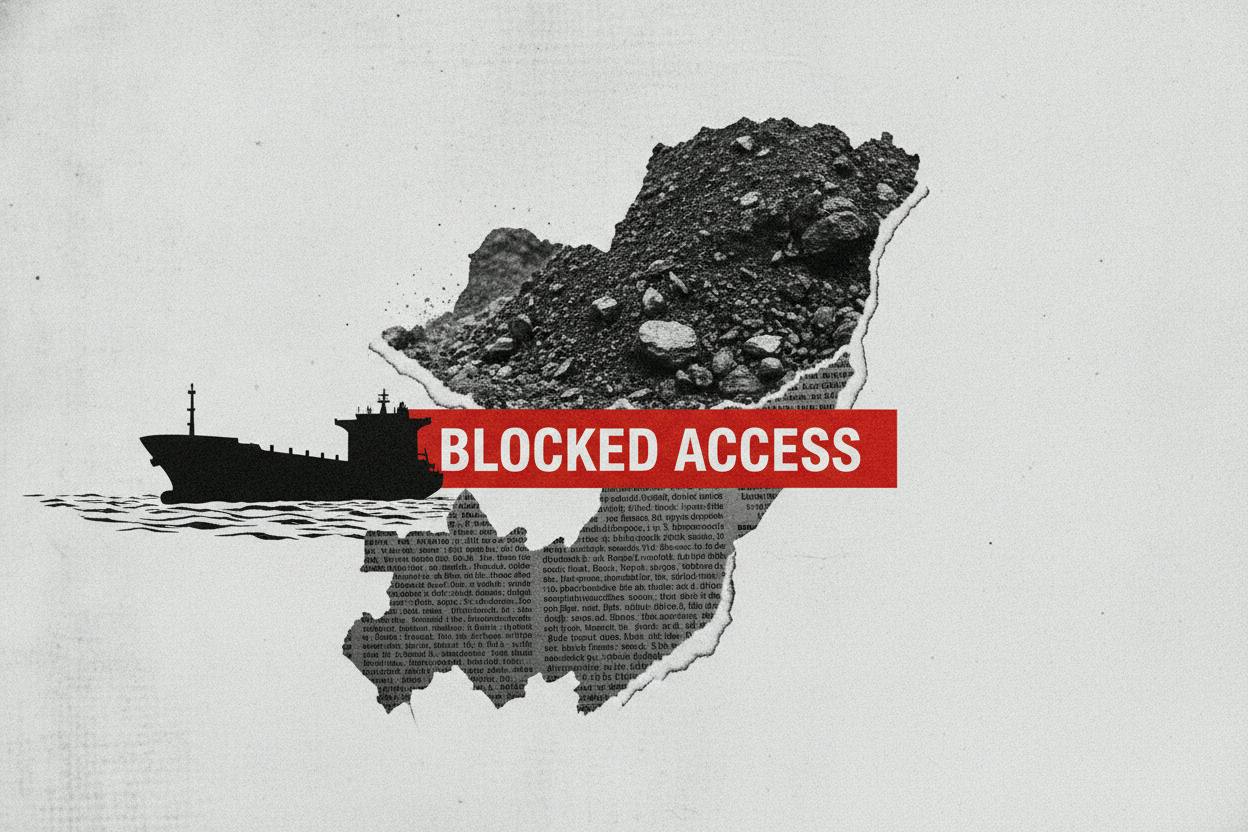
The Democratic Republic of Congo (DRC), the world's largest producer of cobalt, announced it will halt exports of the metal from November 30 until further notice. The decision is aimed at addressing weak prices and a growing glut of inventories that have weighed on the market.
Cobalt is a key ingredient in lithium-ion batteries used in electric vehicles (EVs), smartphones, and other electronics. The DRC accounts for roughly 70% of global cobalt supply, so any disruption from the country can have outsized effects on the market.
Why is the DRC acting now?
Cobalt prices have been under pressure for months as supply has outpaced demand. A wave of new mining projects, particularly in Indonesia, has added to global output, while demand growth from the EV sector has slowed in some regions. The result has been rising inventories and falling prices, squeezing producers' margins.
By freezing exports, the DRC hopes to tighten the market and push prices higher. This is a classic supply-side intervention: reduce the amount of metal available to buyers, and the price should rise. The move is similar to actions taken by other commodity producers, such as oil exporters, when they want to support prices.
The export halt is scheduled to begin on November 30 and will remain in place until further notice. That means there is no clear end date, which adds uncertainty for buyers and sellers alike.
What does this mean for the cobalt market?
In the short term, the announcement could lead to a spike in cobalt prices as traders anticipate a supply squeeze. However, the actual impact will depend on how strictly the export ban is enforced and how long it lasts. In the past, similar measures in the DRC have sometimes been relaxed or reversed under pressure from miners or international buyers.
For companies that rely on cobalt, such as battery makers and EV manufacturers, the export halt could raise input costs. Some may try to stockpile cobalt before the deadline, which could temporarily boost demand and prices further. Others may accelerate efforts to reduce cobalt usage or find alternative suppliers, though that is a longer-term shift.
Investors in mining companies with operations in the DRC should watch how the situation evolves. A prolonged export ban could hurt their revenues, while a quick resolution might limit the damage. Similarly, companies that process cobalt or make batteries could see their margins affected if prices rise.
What it means for investors
For everyday investors, the DRC's move is a reminder that commodity prices can be volatile and are often influenced by political decisions as much as by supply and demand. If you hold shares in companies exposed to cobalt—whether miners, battery makers, or EV manufacturers—this news could affect their stock prices in the near term.
It's also worth noting that cobalt is just one of several battery metals. Lithium and nickel are also critical for EV batteries, and their markets have their own dynamics. Investors who want to diversify their exposure to the EV supply chain might consider a broad approach rather than betting on a single metal.
The broader context is that commodity markets are currently experiencing mixed signals. For example, oil prices have recently fallen as supply concerns eased, as seen in oil's third weekly decline. Meanwhile, other metals like palm oil have also been under pressure. The DRC's cobalt move is a targeted attempt to reverse that trend for one specific metal.
Investors should also keep an eye on how the DRC's decision affects its own economy. Cobalt exports are a major source of revenue for the country, so a prolonged halt could strain its finances. That, in turn, might lead to policy shifts or negotiations with foreign buyers.
What to watch next
The key questions are: How long will the export ban last? Will it be enforced effectively? And will it be enough to lift prices sustainably? Traders and analysts will be watching for any signs of a change in policy, as well as for updates on inventory levels and demand from China, the world's largest consumer of cobalt.
For now, the announcement adds a new layer of uncertainty to the cobalt market. Investors should stay informed and consider how their portfolios might be affected by potential price swings. As always, it's wise to focus on long-term fundamentals rather than reacting to short-term headlines.