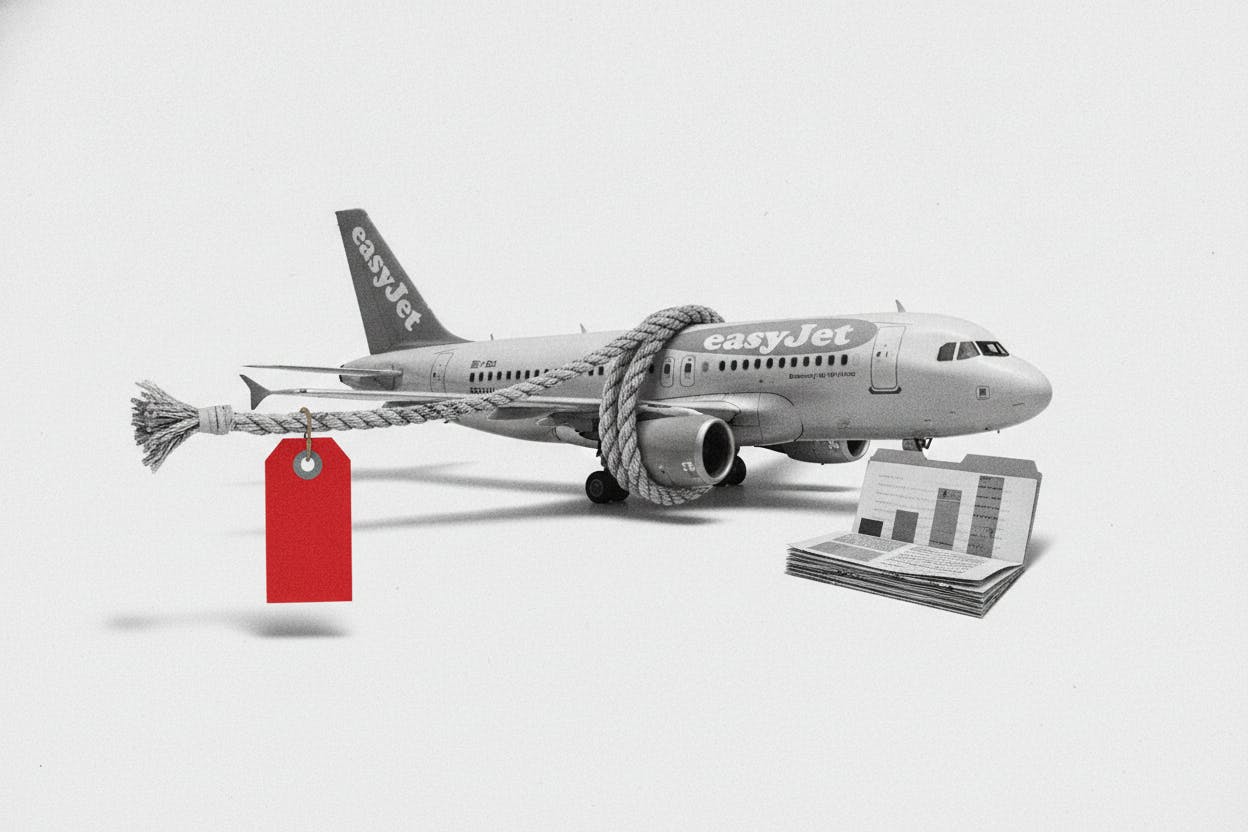
EasyJet has once again rejected a sweetened takeover bid from US investment firm Castlelake, this time valuing the British low-cost carrier at £4.93 billion. The board said the £6.50 per share offer still "substantially" undervalues the airline, marking the fourth time it has said no. However, in a notable shift, EasyJet has agreed to give Castlelake limited access to commercial data—a move that could either pave the way for a higher bid or leave the stock trading on its own merits.
What's in the Latest Offer?
Castlelake's latest proposal values EasyJet at £6.50 per share, up from the previous £6.25. The bidder has also brought in Brookfield Asset Management, a global alternative asset manager, to its bidding vehicle. To comply with EU rules requiring airlines to be majority-owned and controlled by EU nationals to hold an operating license, Castlelake plans to keep 51% of the equity in EU hands. That ownership-and-control test can shape everything from governance to financing, and it can cap how aggressive a private equity-led bidder can be.
EasyJet's decision to open a limited data room—a controlled due-diligence window—allows Castlelake to refine its assumptions about ticket pricing, demand, and costs. This is a classic "data room without a deal" move: by sharing a narrow set of numbers, EasyJet reduces the uncertainty that lets a buyer argue for a discount, potentially tightening the gap between the share price and the offer level.
Why This Matters for Investors
For everyday investors, this is a story about how takeover battles play out in real time. When a company rejects a bid but opens its books, it signals that the board is willing to engage—but only at a price it considers fair. The July 5 "firm offer" deadline set by the UK Takeover Panel adds pressure: Castlelake must either come back with a higher, more executable bid or walk away.
If Castlelake walks away, EasyJet's stock would likely trade back on fundamentals—things like passenger numbers, fuel costs, and holiday demand—rather than takeover speculation. If it returns with a higher offer, investors could see a premium. Either way, the next few weeks are critical.
This situation also highlights the complexities of airline ownership in Europe. EU rules require airlines to be majority EU-owned and controlled to keep their operating license. That means any non-EU bidder must structure the deal carefully, often by keeping a majority stake in EU hands. This can limit how much control a private equity firm can exert and may affect the final price.
EasyJet's board has consistently argued that the airline is worth more than Castlelake's offers, pointing to its strong brand, network, and recovery in post-pandemic travel demand. The company has also been cutting costs and improving its balance sheet, which could support a higher valuation.
What to Watch Next
Investors should keep an eye on two things: whether Castlelake returns with a fifth offer before the July 5 deadline, and whether any other bidders emerge. The limited data access could also help Castlelake build a case for a higher price, but it also exposes EasyJet's commercial information to a potential acquirer.
For now, EasyJet shares are likely to trade with a takeover premium baked in, meaning they could fall if the deal falls through. But if a higher bid materializes, the stock could rise further. As with any M&A situation, the outcome is uncertain, and investors should weigh the risks of a deal collapsing against the potential upside of a successful acquisition.
This story also ties into broader trends in the airline industry, where consolidation and private equity interest have been increasing. For more on how major deals are reshaping markets, see our coverage of Volkswagen's sale of its engine unit to Bain Capital and Braskem's debt restructuring efforts.