Swedish freight-technology company Einride, which recently listed on the Nasdaq, announced plans to deploy 500 Tesla Semi electric trucks using third-party financing. The company says this could lift its active fleet from about 250 vehicles to roughly 750, with the bulk of the new trucks hitting the road in the second half of 2026 across the United States and Europe.
What Einride does
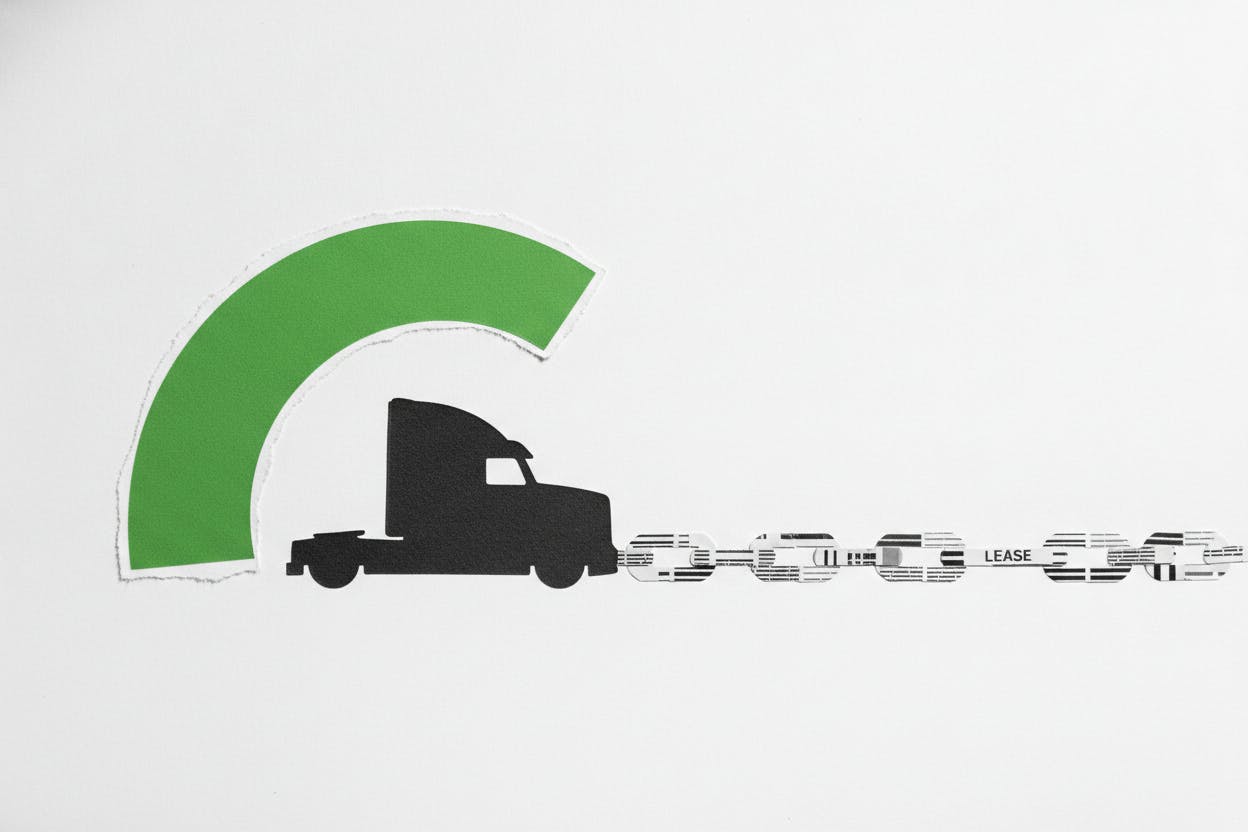
Einride is not a traditional truck maker. It sells electric and autonomous freight technology, and it also operates trucking and logistics services for customers. That means its growth depends not just on signing up clients, but on having enough trucks physically moving freight. The Tesla Semi deal is essentially a shortcut to that capacity: instead of buying the trucks outright, Einride is using third-party financing to get them on the road without tying up its own capital.
The company's pitch to investors is that this arrangement lets it scale quickly. By tripling its fleet, Einride can take on more shipping contracts and prove that its technology works at a larger scale. That's a key story for a company that just went public—investors want to see a path to profitability, and more trucks on the road is a direct way to grow revenue.
Why Tesla Semis?
The Tesla Semi is an all-electric Class 8 truck, designed for long-haul freight. It's been in development for years, and Tesla has been ramping up production. For Einride, using Tesla Semis aligns with its mission to decarbonize freight. The trucks are also part of a broader trend in the industry toward electric and autonomous vehicles, which could lower fuel and maintenance costs over time.
But the deal also carries risks. Tesla Semi is still a relatively new product, and any production delays or performance issues could affect Einride's rollout schedule. The company has guided to a sharp pickup in the second half of 2026, but that depends on Tesla delivering the trucks on time and Einride's financing partners coming through.
What it means for investors
For everyday investors, this news is a reminder that companies in the electric-vehicle and freight-tech space often rely on partnerships and financing deals to grow. Einride's approach is similar to how some airlines lease planes instead of buying them—it lets the company expand without a huge upfront cash outlay.
But it also means Einride's success is tied to the performance of Tesla's truck and the willingness of lenders to finance these vehicles. If the rollout goes smoothly, Einride could become a bigger player in the logistics market. If not, the company could face delays and higher costs.
Investors should also note that Einride is a newly public company, and its stock may be volatile. The company's ability to execute on this plan will be a key factor in its valuation. As with any growth stock, it's important to look at the fundamentals—like revenue growth and cash flow—rather than just the hype around a big announcement.
Broader context
Einride's move comes as the freight industry is under pressure to cut emissions and improve efficiency. Electric trucks are still a small slice of the market, but they're growing. Tesla's Semi is one of the most anticipated vehicles in this space, and its adoption by a logistics company like Einride could signal that the technology is maturing.
For those following the EV and autonomous vehicle space, this deal is another sign that the shift to electric freight is accelerating. It also highlights the growing role of third-party financing in the industry, as companies look to avoid the heavy capital costs of buying fleets outright.
As always, it's worth keeping an eye on how these plans unfold. The second half of 2026 is still a ways off, and a lot can change between now and then. But for Einride, the bet on Tesla Semis is a clear statement of intent: it wants to be a major player in the future of freight, and it's willing to use other people's money to get there.