Australian mining-services firm Emeco has trimmed its near-term outlook, guiding to AU$290-295 million in EBITDA for fiscal year 2026. But the company is betting on a recovery driven by higher equipment utilization, targeting about 90% surface fleet utilization and roughly 80% underground utilization by June 2027.
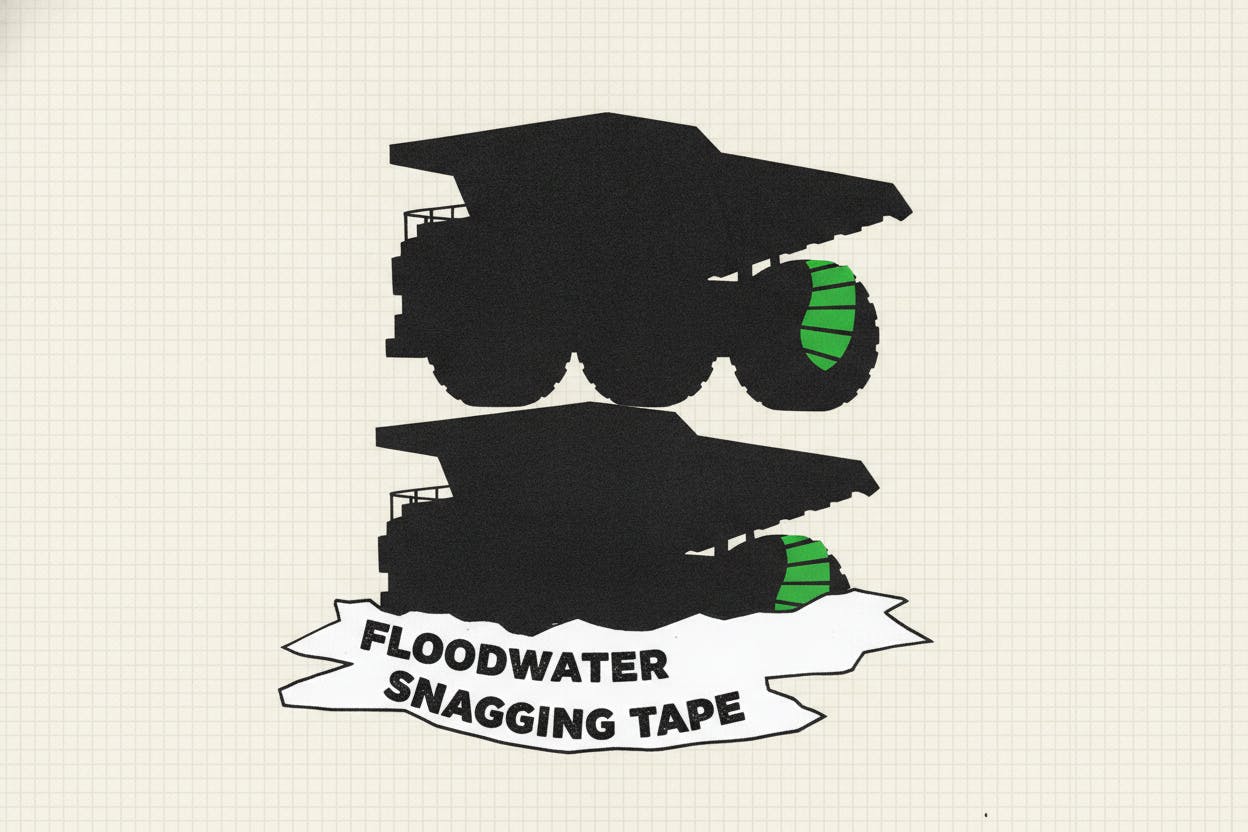
The guidance, released alongside commentary from broker Euroz Hartleys, suggests the current weakness is more about short-term disruptions than a fundamental drop in demand. Euroz Hartleys pointed to wet weather, operational hiccups, supply chain delays, fuel-cost uncertainty, and slower fleet redeployment as factors weighing on FY2026. Emeco also guided to EBIT of AU$145-150 million for the same period.
What’s Behind the Softer Outlook?
Emeco provides heavy equipment and services to mining companies across Australia. Its earnings are closely tied to how much of its fleet is actually working and billing clients. When utilization dips, fixed costs like depreciation and maintenance don’t disappear, squeezing margins.
The broker described the FY2026 setup as a “short-term disruption” rather than a sign of fading demand. That distinction matters because mining-services earnings can snap back quickly once idle gear gets redeployed to new contracts. Emeco’s plan is to shift existing equipment rather than buy new machines, which limits capital spending and preserves cash.
Euroz Hartleys largely aligned its own forecasts with Emeco’s guidance, calling for a flatter FY2027 before momentum builds later as more machines return to work. The key metric to watch is utilization: Emeco’s goal of 90% surface fleet utilization by June 2027 is a clear target that could drive meaningful earnings improvement.
Why Utilization Matters More Than EBITDA Tweaks
For investors, the difference between AU$290 million and AU$295 million in EBITDA is less important than whether Emeco is on track to hit its utilization targets. Mining-services businesses have high fixed costs, so even a small increase in billable hours can flow straight to the bottom line.
When utilization rises, fixed costs are spread over more revenue, improving margins. And because Emeco plans to redeploy existing fleet rather than buy new gear, the upside can show up in cash generation too—there’s less new capital spending to fund. That’s why analysts and investors may focus more on the June 2027 utilization targets than on the precise FY2026 EBITDA number.
The broader market context also matters. Australian miners have been navigating volatile commodity prices and shifting demand from China, which affects how much they spend on services like Emeco’s. The ASX 200 has been flat recently, with miners rising amid rate uncertainty, and that backdrop could influence how quickly mining companies commit to new contracts.
What It Means for Everyday Investors
Emeco’s story is a reminder that in capital-intensive industries, small changes in utilization can have outsized effects on profitability. For investors holding Emeco shares—or considering them—the key question isn’t whether FY2026 EBITDA comes in at the low or high end of guidance. It’s whether the company can execute on its fleet redeployment plan and hit those utilization targets by mid-2027.
If it does, the earnings rebound could be sharper than the headline guidance suggests. If it doesn’t, the fixed-cost structure means profits could stay under pressure. Either way, the next few quarters will show whether the current softness is a temporary blip or something more lasting.
For now, Emeco is betting on the former. Investors will be watching utilization data closely.