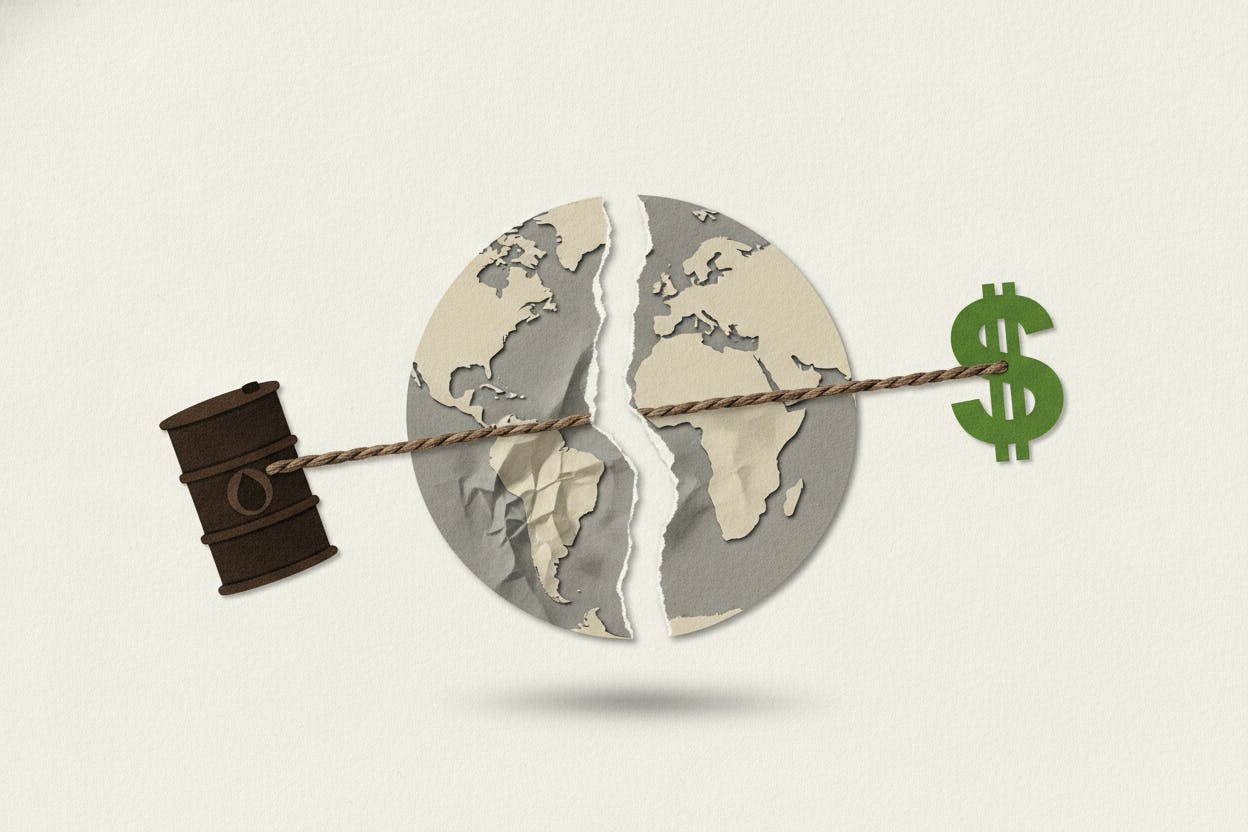
Emerging-market stocks took a hit on Tuesday, with the MSCI emerging-market index falling 1.8%, as diplomatic efforts in the Middle East hit a wall and oil prices climbed. The decline came even as many emerging-market currencies held their ground, supported by a US dollar that remains near multi-month lows.
What's driving the selloff?
The immediate trigger was the breakdown in Middle East peace talks, which reignited concerns about supply disruptions in the oil-rich region. Crude prices rose on the news, and higher energy costs tend to weigh on emerging economies that are net importers of oil. Countries like India, Turkey, and parts of Southeast Asia feel the pinch quickly when oil spikes, as it raises their import bills and fuels inflation.
At the same time, the dollar's softness provided a cushion. A weaker dollar makes it easier for emerging-market countries to service dollar-denominated debt and can attract foreign capital seeking higher yields. That's why currencies in the developing world stayed relatively stable even as stock markets wobbled.
Why oil and the dollar matter for emerging markets
Emerging markets are particularly sensitive to two global forces: the price of oil and the value of the US dollar. Oil is a key input for many of these economies, so when prices jump, it can squeeze corporate margins and consumer spending. The dollar, meanwhile, is the currency in which most international debt is issued. When the dollar weakens, it eases the burden on countries that borrowed in dollars, and it makes their exports more competitive.
Tuesday's mix—higher oil but a softer dollar—created a tug-of-war. Stocks fell because investors focused on the inflationary and growth risks from costlier energy. But currencies held up because the dollar's decline offered some relief.
What this means for investors
For everyday investors, the takeaway is that emerging markets are not a single bet. They are a collection of very different economies, each with its own vulnerabilities. A rise in oil prices might hurt oil-importing nations but benefit exporters like Saudi Arabia or Russia. A weak dollar can be a tailwind for many, but not all.
If you hold an emerging-market fund or ETF, days like this are a reminder of the asset class's volatility. The 1.8% drop is significant but not unprecedented. More important is the trend: if oil keeps climbing and the dollar stays weak, expect continued divergence—energy exporters may outperform, while importers struggle.
Investors should also watch how central banks in emerging markets respond. Higher oil prices could push inflation up, forcing some to raise interest rates, which would further pressure stocks. On the other hand, a softer dollar gives them more room to ease policy if needed.
Broader market context
The move in emerging markets comes against a backdrop of rising global yields and mixed signals from developed markets. In the US, Treasury yields have been creeping higher, which can pull capital away from riskier assets. European stocks were flat as gold lifted miners but tech slipped on yields, and Asian markets saw similar pressure from higher oil and bond yields.
For emerging markets, the combination of high oil prices and elevated global yields is a double whammy. It raises their borrowing costs and makes their exports less competitive. The dollar's softness is the main counterweight, and investors will be watching whether that persists.
What to watch next
The key variables are the trajectory of Middle East negotiations and the path of the dollar. If talks resume and oil retreats, emerging-market stocks could bounce quickly. If the dollar continues to slide, currencies may stay firm, offering some support. But if oil keeps rising and the dollar stabilizes, the pressure on emerging markets could intensify.
For now, the message is caution. Emerging markets offer growth potential, but they come with higher risk, especially when global conditions are uncertain. Diversification and a long-term perspective remain your best tools.