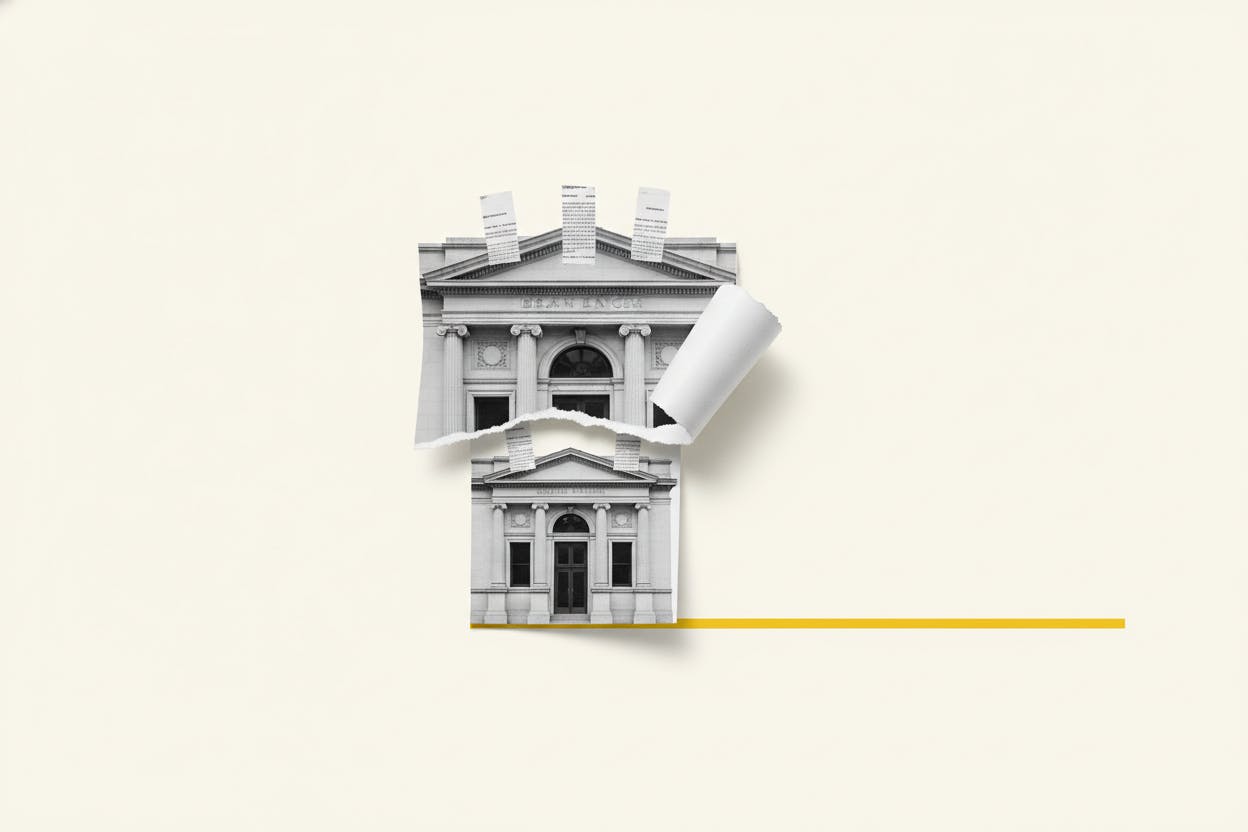
HSBC has agreed to sell its retail banking business in Egypt to Emirates NBD, a move that will shrink the global lender's footprint while generating a sizeable gain. The transaction, announced today, is expected to close in the second half of 2027, subject to regulatory approvals and other customary conditions.
HSBC said the sale could book a pre-tax gain of roughly $300 million. The price was not disclosed, but the deal covers HSBC Egypt's retail portfolio, including branches, ATMs, customers, and some staff. Emirates NBD's fully owned Egyptian unit signed the definitive agreement.
Why HSBC is selling
HSBC has been streamlining its operations for years, focusing on markets where it has scale and competitive advantage. Egypt, while a growing economy, is not a core market for the London-based bank, which has been exiting or reducing exposure in several countries. This sale follows a pattern of divestitures aimed at simplifying the group and boosting returns for shareholders.
The $300 million gain is a notable headline number, but it's important to put it in context. HSBC is a massive global bank, so this gain is relatively small compared to its overall profits. Still, it adds to the bank's capital and demonstrates the value it can unlock by pruning non-core assets.
What Emirates NBD gets
Emirates NBD, one of the largest banks in the United Arab Emirates, is expanding its presence in Egypt. The acquisition gives it a ready-made retail customer base, a network of branches and ATMs, and experienced staff. For a bank looking to grow in the region, buying an existing operation can be faster and less risky than building from scratch.
Egypt is a large and young market with growing demand for banking services, but it also comes with challenges, including currency volatility and economic uncertainty. Emirates NBD will need to integrate HSBC's operations carefully and manage those risks.
What it means for investors
For HSBC shareholders, this deal is a modest positive. It simplifies the business and brings in cash, which could be returned via dividends or buybacks, though the bank hasn't said what it will do with the proceeds. The $300 million gain will be booked when the deal closes, likely in 2027, so it won't affect near-term earnings.
For Emirates NBD investors, the acquisition is a strategic bet on Egypt's long-term potential. It's a move that could pay off if the economy stabilizes and the bank executes well, but it also carries integration and macroeconomic risks. Investors should watch how the deal is financed and whether it dilutes earnings in the short term.
This deal is part of a broader trend of Gulf banks expanding into North Africa and other emerging markets, seeking growth beyond their home bases. It also reflects the ongoing consolidation in the global banking sector, as larger players focus on their strongest markets.
For everyday investors, the key takeaway is that bank M&A can create value, but the benefits often take years to materialize. Regulatory approvals and integration challenges can delay or derail even well-intentioned deals. As with any acquisition, the real test will be whether the combined business performs better than the two parts did separately.
HSBC's decision to exit Egypt's retail market is a reminder that even global giants are constantly reshaping their portfolios. For investors, it's worth paying attention to such moves, as they can signal where a company sees its best growth opportunities.
The deal is expected to close in the second half of 2027, giving both banks plenty of time to prepare. Until then, the transaction remains subject to regulatory approvals, and there's always a chance that conditions change. But as it stands, this is a clear step by HSBC to streamline and by Emirates NBD to expand.