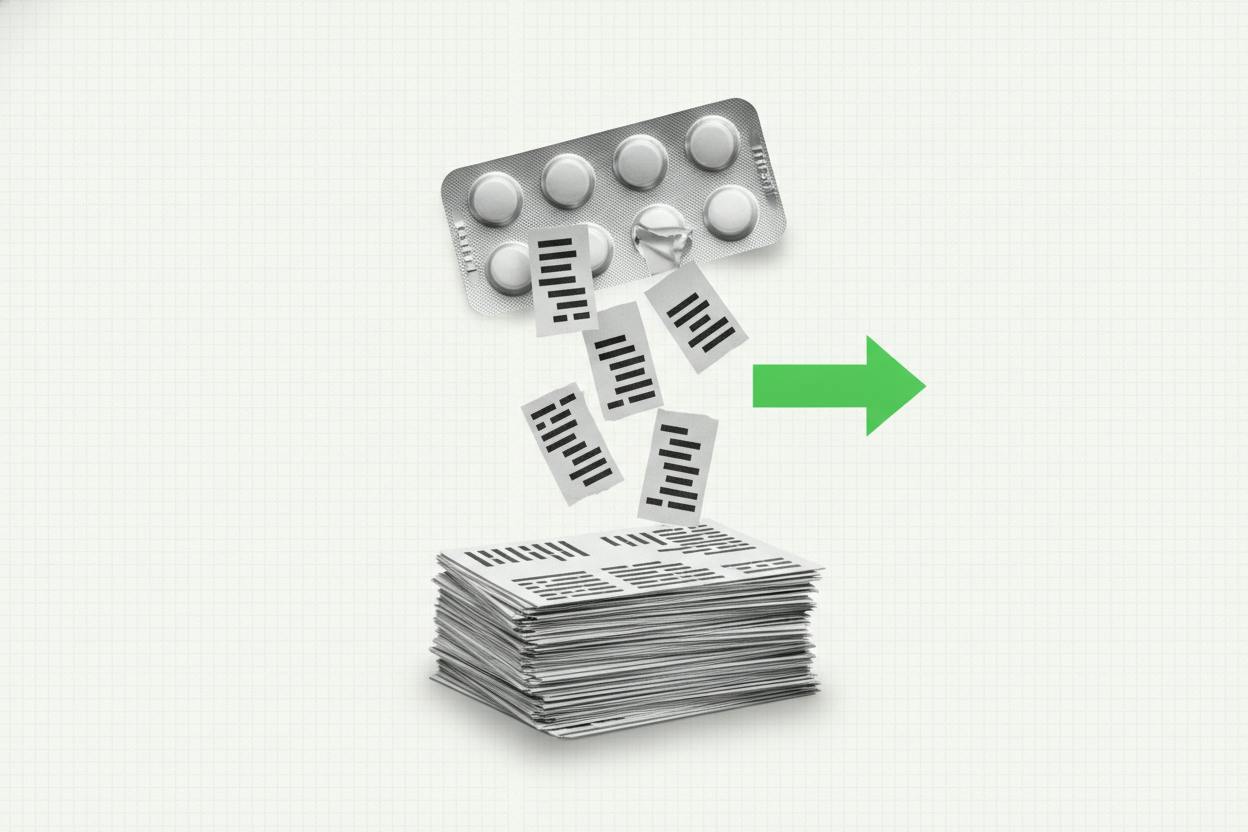
Mumbai-based contract drugmaker Encube Ethicals has kicked off investor meetings for its initial public offering (IPO), according to a Bloomberg report. The company is aiming to raise about 30 billion rupees (roughly ₹3,000 crore), with a listing potentially landing in the second half of November. However, Bloomberg noted that the timing and size could still change.
The key structural detail is that the offering is an “offer for sale” (OFS) only, as outlined in the company’s August draft prospectus. In an OFS, the company does not issue new shares; instead, existing shareholders sell their holdings to new public investors. This means Encube itself will not receive any fresh capital from the IPO. Instead, the proceeds will go directly to the selling shareholders.
According to the draft prospectus, founder Mehul Madhusudan Shah plans to sell up to 20 billion rupees worth of shares, while Fro...nd Frontier Investment Holdings (likely a typo for “Frontier Investment Holdings”) will sell up to 10 billion rupees. The upshot is that this listing is more about changing ownership and establishing a public-market valuation than raising money to fund expansion.
What is Encube Ethicals?
Encube Ethicals is a contract development and manufacturing organization (CDMO) that produces pharmaceutical products for other companies. CDMOs like Encube make drugs on behalf of brand owners, ranging from over-the-counter creams to complex formulations. The company has built a niche in topical products—ointments, gels, and creams—and exports to regulated markets like the US and Europe.
For everyday investors, an IPO from a CDMO offers exposure to the pharmaceutical supply chain without the risk of a single blockbuster drug. The business model is recurring: clients sign contracts to manufacture products, providing steady revenue streams. However, the OFS structure changes the investment calculus.
Why the offer-for-sale structure matters
Because the deal is entirely secondary sales, the proceeds go to sellers, not Encube. That removes a common IPO storyline: there’s no new equity to pay down debt, fund new facilities, or provide a bigger working-capital cushion (money used for day-to-day operations like inventory and receivables). So investors will likely focus more on the company’s existing cash flows and margins, and on how much demand there is to absorb a sizable block of shares.
When supply is large, early trading can hinge on whether the market can comfortably digest it, rather than on excitement about a newly funded growth plan. In OFS deals, the company’s balance sheet remains unchanged, so the valuation is purely a function of what buyers are willing to pay for the existing business.
What it means for investors
For retail investors, an OFS IPO is not inherently good or bad—it just shifts the focus. Instead of asking “what will the company do with the new money?”, the question becomes “is the current business worth the asking price?” That means scrutinizing Encube’s revenue growth, profit margins, customer concentration, and the competitive landscape of the CDMO sector.
The Indian IPO market has seen a mix of fresh issues and OFS deals. In recent years, several companies have used OFS to provide exit opportunities for early investors or promoters. While that can be a sign of maturity, it also means the company isn't raising capital for expansion—so investors shouldn't expect a sudden acceleration in growth from the IPO proceeds.
Another angle: the size of the offering. At 30 billion rupees, this is a substantial IPO by Indian standards. If demand is weak, the stock could list at a discount; if demand is strong, it could pop. But the OFS structure means that the selling shareholders are cashing out, which can sometimes signal that insiders believe the valuation is rich. However, in many cases, founders sell a small portion of their stake to create a public float and establish a market price, which can be a positive step for liquidity.
Broader market context
The Indian IPO market has been active, with a mix of tech, manufacturing, and pharmaceutical listings. The pharmaceutical sector, in particular, has attracted attention due to its defensive nature and growth potential. AI's next winners may be drugmakers, a recent analysis suggests, highlighting the sector's innovation potential. While Encube is not an AI play, the broader interest in pharma could support demand for its shares.
Investors should also keep an eye on global manufacturing trends. Canada's factory activity contracts and France's factory activity slips back show that manufacturing is facing headwinds in some regions. However, pharma manufacturing is often less cyclical than other sectors, as demand for medicines is relatively stable.
For those considering participating in the IPO, it's crucial to read the draft prospectus carefully, especially the sections on financials, risks, and the use of proceeds (which, in this case, will be nil for the company). The final price band and issue dates will be announced later, and investors should assess whether the valuation is reasonable compared to listed peers.
In summary, Encube Ethicals' IPO is a significant event for the Indian pharma CDMO space, but the offer-for-sale structure means the company won't see a rupee of the proceeds. Investors should focus on the business fundamentals and the demand for the shares, rather than expecting a growth catalyst from the listing.