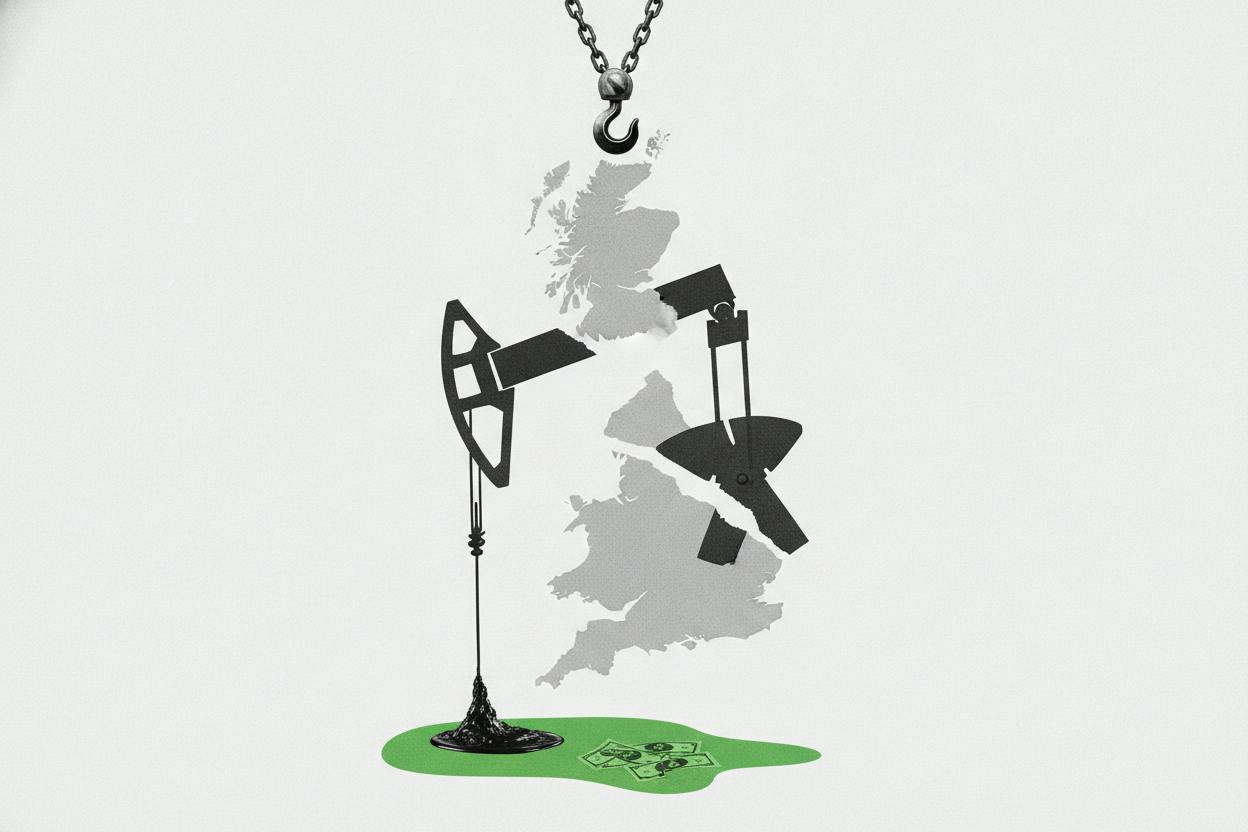
UK stocks were set to open lower on Tuesday, with FTSE 100 futures down about 0.3%, as investors digested a wave of corporate news led by EnQuest's agreement to sell its UK upstream oil and gas business to NEO NEXT+ for up to $960 million.
The deal, which is subject to regulatory approvals, would see EnQuest offload its mature North Sea assets, a portfolio that has been a cornerstone of the company for years. For EnQuest, the sale is part of a broader strategy to simplify its operations and recycle capital into more promising regions, particularly Southeast Asia.
What the EnQuest deal means
EnQuest, a producer focused on the UK North Sea, has been grappling with the challenges of operating aging fields, where production declines and rising costs can squeeze margins. By selling these assets to NEO NEXT+, an energy company, EnQuest is betting that its future lies in Southeast Asia, where it sees better growth opportunities.
For NEO NEXT+, the acquisition represents a calculated wager that steady, if modest, production from established fields can still generate profits, provided costs are kept under control. This type of deal is common in the oil and gas sector, where larger players often sell mature assets to smaller, more nimble operators who can extract value through operational efficiencies.
The transaction also highlights a broader trend in the energy industry: companies are increasingly reshuffling their portfolios to focus on regions or technologies they believe will drive future growth, while shedding assets that no longer fit that vision.
Market context and investor implications
The softer open for UK stocks comes amid a busy day for corporate announcements, with several companies reporting results or strategic updates. The modest decline in FTSE 100 futures suggests a cautious mood among investors, who are also keeping an eye on global factors such as interest rates and commodity prices.
For everyday investors, the EnQuest deal is a reminder that corporate strategy can have a direct impact on share prices. When a company sells a major division, it can unlock cash, reduce debt, or fund new investments—all of which can influence the stock's value. However, such deals also carry risks, including execution challenges and the possibility that the sold assets were a source of stable cash flow.
Investors holding EnQuest shares will be watching how the company deploys the proceeds from the sale. The company has said it plans to use the cash to strengthen its balance sheet and invest in its Southeast Asian operations, which could offer higher growth potential but also come with their own set of risks, including geopolitical and operational uncertainties.
For those with broader exposure to UK equities, the day's move is a reminder that markets can be volatile in response to corporate news. The FTSE 100, which is heavily weighted toward energy and mining companies, often reacts to shifts in commodity prices and deal activity.
What to watch next
Investors will likely focus on the completion of the EnQuest-NEO NEXT+ transaction, which is expected to close in the coming months. The deal's final price tag of up to $960 million includes potential earn-outs tied to production and oil prices, so the actual amount could vary.
Beyond EnQuest, market participants will be monitoring upcoming economic data and central bank commentary for clues about the direction of interest rates. In the meantime, the energy sector remains a key driver of UK market performance, and any further M&A activity could influence sentiment.
For those looking to understand the broader picture, the EnQuest sale is part of a larger pattern of energy companies repositioning themselves for a lower-carbon future, even as they continue to extract value from existing oil and gas assets. This dual focus—managing the present while preparing for the future—is likely to shape investment decisions across the sector for years to come.