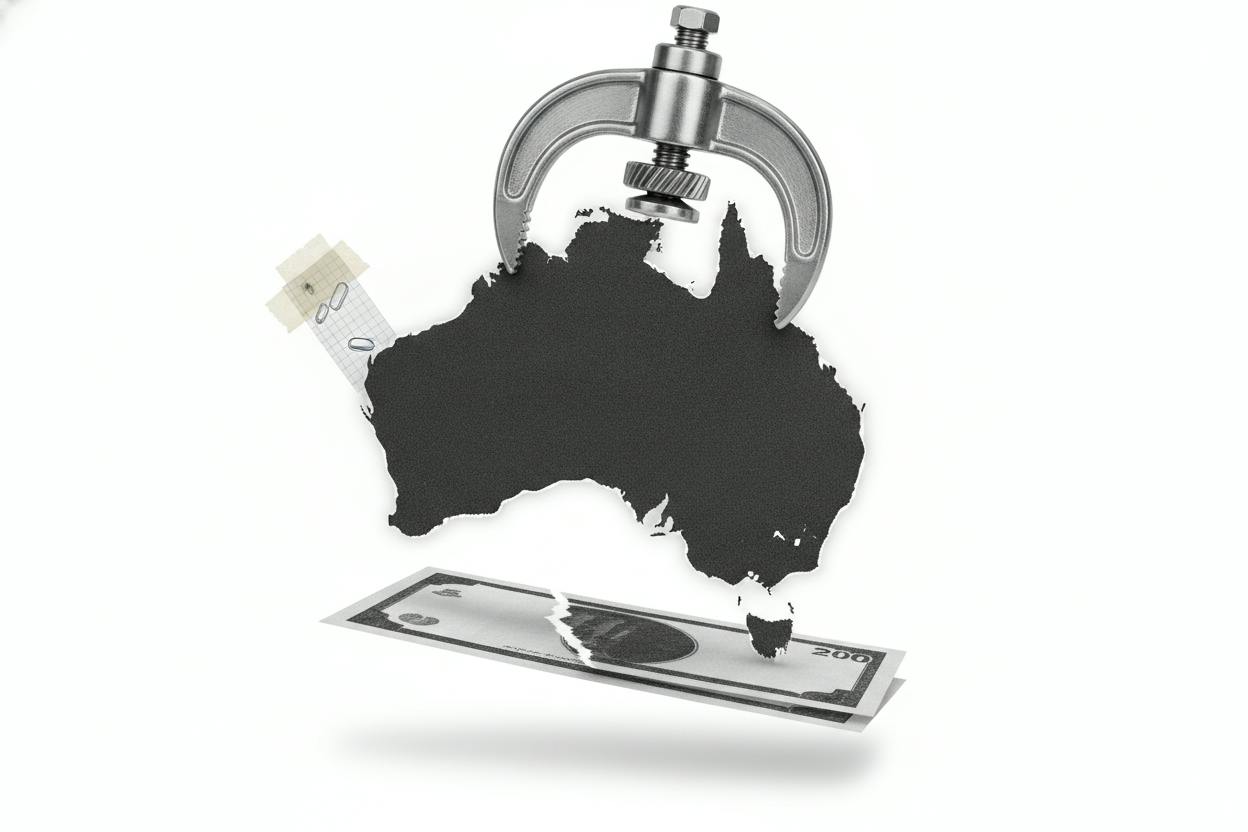
Australia's largest waste management company, Cleanaway Waste Management, has agreed to be acquired by Swedish private equity firm EQT in a deal valued at A$9.3 billion including debt. The all-cash offer of A$3.095 per share sent Cleanaway's stock up nearly 20% in early trading, as investors welcomed the premium over the company's recent share price.
Deal structure and key details
The acquisition will be carried out through a scheme of arrangement, a court-supervised process common in Australian takeovers. Under this structure, Cleanaway shareholders will vote on the deal at a meeting, and if approved, the transaction becomes binding on all shareholders. This is different from a simple takeover offer, where individual shareholders decide whether to sell.
EQT's offer of A$3.095 per share in cash is slightly below its earlier indicative proposal of A$3.13 per share. The difference reflects Cleanaway's final dividend, which was paid on October 8. The buyer is effectively adjusting the price to account for that payout, keeping the total value per share roughly constant.
There's an important catch for shareholders: any dividends Cleanaway pays before the deal closes, up to A$0.19 per share (including a fully franked special dividend), will be deducted from the cash they receive at completion. In other words, the total consideration is split between dividends received now and cash later, but the overall value stays about the same.
Cleanaway's board has unanimously recommended that shareholders vote in favor of the deal, unless a better offer emerges. This is a standard "fiduciary out" clause that allows the board to consider superior proposals.
Why EQT wants Cleanaway
EQT is one of Europe's largest private equity firms, with a track record of investing in infrastructure and essential services. Waste management is an attractive sector for private equity because it generates steady, recurring cash flows and benefits from long-term demand—people and businesses always produce rubbish, regardless of economic conditions.
Cleanaway is Australia's leading waste management company, providing collection, recycling, and disposal services to households, businesses, and government. The company has been expanding its footprint in recent years, and its scale makes it a prime target for a buyout.
This deal is part of a broader trend of private equity firms snapping up essential-service companies in Australia and elsewhere. Similar transactions, such as Daiichi Life's offer for Challenger, show that investors are willing to pay premiums for stable, cash-generative businesses.
What it means for investors
For Cleanaway shareholders, the immediate reaction is positive: the stock jumped to around A$2.960, still below the headline offer of A$3.095. That gap is known as a takeover-risk spread.
In a deal like this, the share price typically trades at a discount to the offer price because there's a chance the transaction could fall through—due to regulatory hurdles, shareholder opposition, or a rival bidder. The size of the discount also reflects the time value of money: investors have to wait for the deal to close before they receive the cash.
Because of the dividend-deductible structure, the "real" payout is the A$3.095 headline price minus whatever dividends are expected before completion. So the effective consideration could be around A$2.905 if the full A$0.19 in dividends is paid. That means the current share price of A$2.960 is actually trading slightly above the expected cash-at-close amount, which is unusual and suggests the market sees a high probability of completion.
Investors who buy Cleanaway shares now are essentially engaging in merger arbitrage—betting that the deal will close and capturing the difference between the current price and the final payout. But this strategy carries risks: if regulators block the deal or shareholders vote it down, the stock could fall back to its pre-announcement levels.
For everyday investors, this deal is a reminder that takeovers can create short-term gains, but they also come with uncertainty. The process can take months, and there's no guarantee of success. As with any investment, it's important to weigh the potential reward against the risk of the deal falling apart.
Cleanaway's board is confident, but the final decision rests with shareholders. The scheme meeting is expected to be held in the coming months, and if approved, the deal could close by early next year. Until then, the stock will likely trade in line with the market's view of the deal's prospects.
For a broader look at how private equity deals can affect markets, see our coverage of Cleanaway's takeover and True Religion's potential sale.



