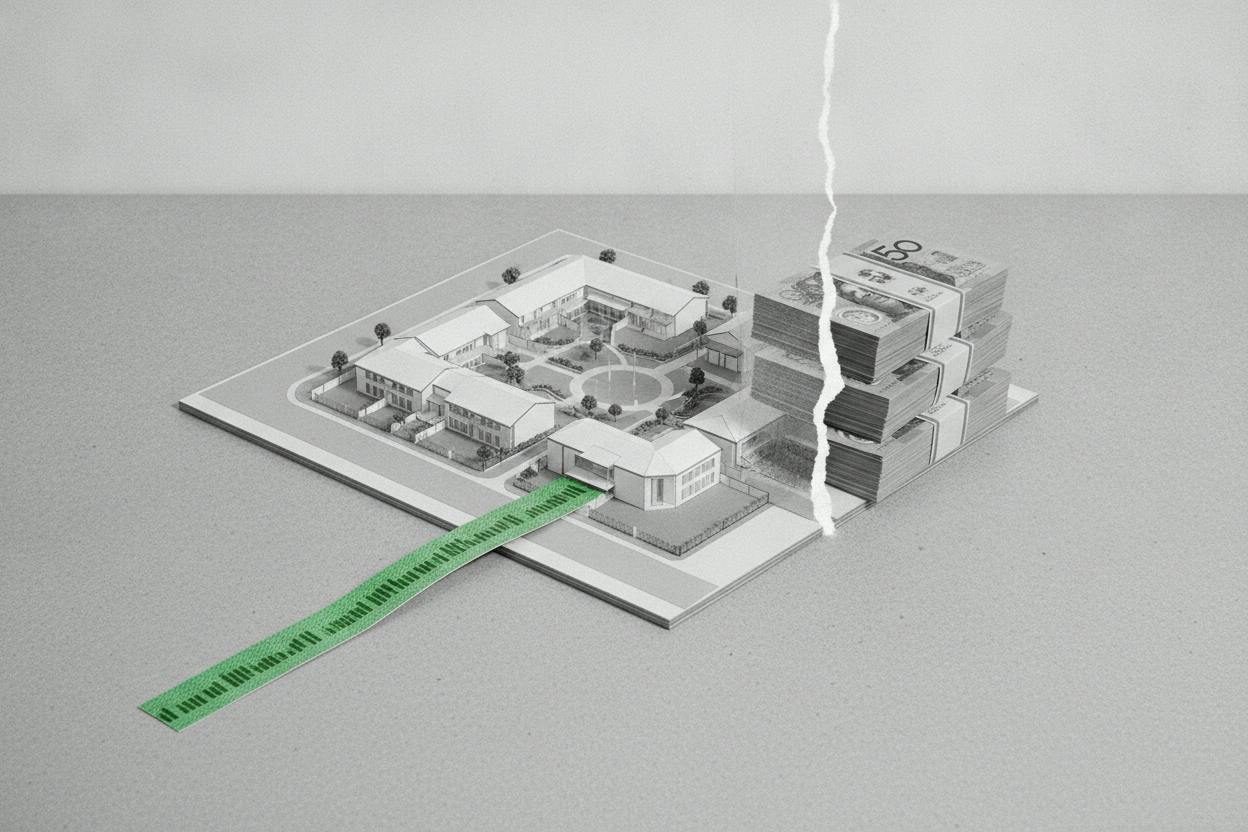
Australian seniors housing landlord Eureka Group has completed a complex ownership reshuffle across four retirement rental villages, a move that frees up about AU$10.4 million in cash while keeping the company involved in every property. The transactions, disclosed in a filing to the Australian Securities Exchange, involve selling half of two villages in Cairns and buying half of two others in Townsville.
Specifically, Eureka sold 50% stakes in its Earlville and Smithfield villages for AU$11.1 million and acquired 50% interests in the Condon and Wulguru villages for AU$10.4 million, plus transaction costs. All four villages are running at more than 98% occupancy, meaning they are nearly full and generating steady rental income.
The net effect is a cash release of roughly AU$10.4 million, which Eureka plans to direct toward new projects and reducing debt. Importantly, the company is not exiting any site — it retains a half-share in each village and will continue to manage them day-to-day.
What Eureka actually did
This type of transaction is often called “capital recycling.” In plain English, Eureka is unlocking cash tied up in mature, stable properties and redeploying it into new developments or debt repayment. By selling half of two villages and buying into two others, the company rebalances its portfolio without abandoning the seniors housing sector.
The deal also includes new management agreements for each village, with an initial 10-year term and an option to extend for another 10 years. These agreements come on improved terms that include profit-sharing and a first right of refusal — meaning if a co-owner ever wants to sell their stake, Eureka gets the first opportunity to buy it.
Settlement is expected in mid-October. Until then, the cash and the new contract economics are not fully reflected in Eureka’s balance sheet or earnings.
Why the management deals may matter more than the cash
While AU$10.4 million is a meaningful sum for a company of Eureka’s size, the longer-term significance may lie in the new management contracts. By retaining operational control and a contractual share of profits, Eureka is shifting its business model away from being a pure landlord — where value fluctuates with property prices — toward an operator with steadier, fee-like income.
This distinction matters because fee-based income is often valued more highly by investors than rental income, which is tied to property cycles. Management fees and profit-sharing payments can be more predictable, especially when the underlying villages are nearly full. That predictability could make the cash flows easier for joint-venture partners to forecast, potentially lowering the return they demand and making it cheaper for Eureka to keep recycling capital.
Over time, this could change what investors focus on. Rather than just the book value of Eureka’s property portfolio, the market may pay closer attention to the durability of those long-dated management and profit-share payments — and whether they hold up after settlement and beyond.
What it means for investors
For everyday investors, this story is a reminder that companies can create value in ways beyond simply buying and selling assets. Eureka is effectively monetising part of its property equity while keeping the operational upside. If the new management agreements deliver as expected, the company could generate more stable cash flow with less capital tied up.
That said, the strategy is not without risk. Joint ventures mean sharing control and profits, and the success of the model depends on the villages continuing to perform well. Occupancy rates above 98% are a strong starting point, but any downturn in the seniors housing market or changes to rental demand could affect results.
Investors will also want to watch how Eureka uses the freed-up cash. If it can deploy the AU$10.4 million into new projects with attractive returns, or reduce debt to lower interest costs, the deal could be accretive to earnings over time. The mid-October settlement will be the first real test of whether the new structure delivers on its promise.
For those tracking the broader Australian market, this deal is a small but illustrative example of how property companies are adapting to a higher interest rate environment. With borrowing costs elevated, recycling capital and partnering with joint-venture investors can be a way to grow without taking on more debt. It’s a trend worth watching across the real estate sector.