European stocks are delivering a surprise rally, shrugging off the gloomy forecasts that war in the Middle East would drag the continent into stagflation. The Stoxx Europe 600, the broad benchmark for the region's listed companies, is up more than 10% so far this year and has set a string of record highs this week.
The strength is catching many investors off guard. Earlier this year, the consensus was that rising energy prices and supply disruptions from the conflict would push inflation higher while choking off growth. Instead, the region's corporate earnings are booming, and the rally is broadening across sectors.
Why the rally has legs
The most striking number is the earnings picture. European companies are on track to report 22% profit growth in the second quarter compared with the same period last year. That would be the fastest pace since 2022, a clear sign that the corporate sector is far healthier than the doomsayers expected.
What's more, this isn't a one-sector show. Financials, energy, industrials, and many other industries are all contributing to the gains. That breadth is important because it suggests the rally is built on solid fundamentals rather than a narrow group of high-flying stocks.
The resilience is also visible in the earnings outlook for the Stoxx 600, which has climbed for eight straight weeks, driven by upgrades in energy and materials. That momentum is a positive signal for the months ahead.
What's driving the optimism
Several forces are at play. First, the feared stagflation scenario hasn't materialized. While inflation remains above central bank targets, it has cooled from its peaks, and growth, while modest, hasn't collapsed. That has allowed investors to focus on the earnings story.
Second, the global backdrop has become more supportive. In the US, traders are betting the Federal Reserve will pause its rate hikes, which has calmed fears of aggressive tightening that could hurt global growth. Lower rate expectations tend to boost stock valuations, especially for growth-oriented companies.
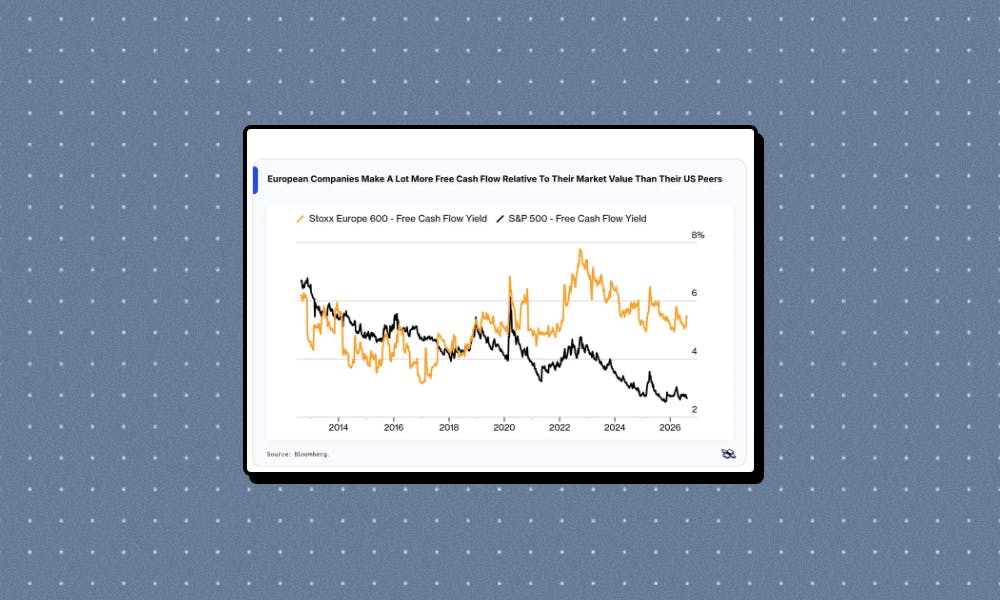
Third, there's a sense that European equities were simply too cheap. For years, the region traded at a discount to the US market, and the recent rally is partly a catch-up trade. As earnings prove resilient, investors are willing to pay more for European assets.
What it means for everyday investors
For ordinary investors, the European rally is a reminder that markets often move ahead of the headlines. The Middle East conflict is a real risk, but the economic data and corporate results have so far been better than feared.
If you hold a diversified portfolio with exposure to European stocks, this strength is likely showing up in your returns. The key is to stay diversified rather than chasing any single market. The breadth of the rally means that a broad European index fund or ETF captures the gains across sectors.
However, it's also worth noting that the rally could be vulnerable to setbacks. If the conflict escalates and energy prices spike, the stagflation fears could return. And with the Stoxx 600 at record highs, valuations are no longer as cheap as they were. That doesn't mean the rally is over, but it does suggest that future gains may be more modest.
Looking ahead
Investors will be watching the second-quarter earnings season closely to see if the 22% growth forecast holds up. They'll also keep an eye on central bank policy, both in Europe and the US. The European Central Bank has been hiking rates to fight inflation, but if the economy weakens, it may have to pause.
The global picture is also relevant. Japan's Topix has hit record highs on the back of AI optimism, and Asian tech stocks have rallied as US inflation cools. That suggests the risk-on mood is not confined to Europe.
For now, the European market is proving the pessimists wrong. But as always, the key for investors is to stay focused on the long term and not get swept up in short-term market moves.