European stocks ended the session slightly lower on Friday, as a sharp drop in French luxury group Kering weighed on the broader market. The STOXX 600, the region's benchmark index, slipped 0.13% to 636.50, following its steepest one-day fall in three weeks on Thursday.
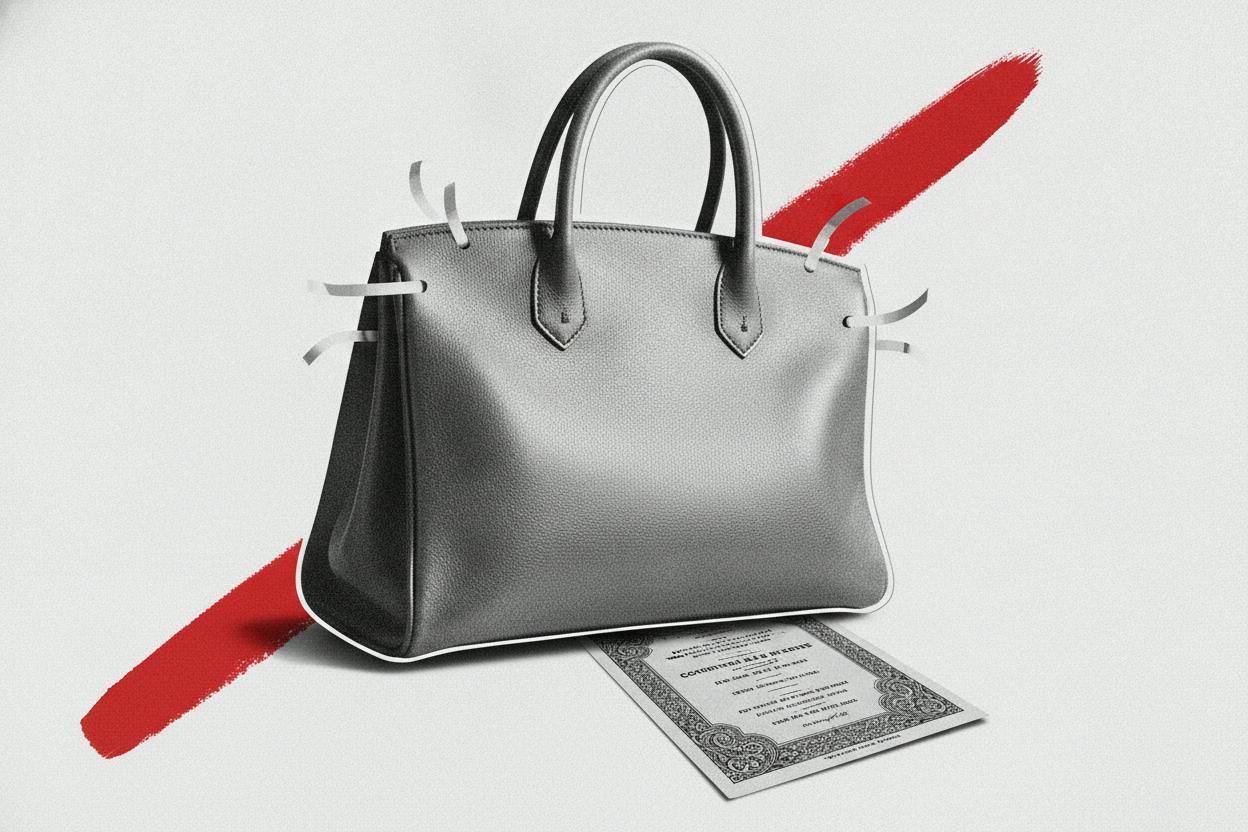
Kering, the owner of Gucci, plunged 10.4% after reporting weaker-than-expected sales at its flagship brand. The decline was the biggest single-stock drag on the index, and it rippled through the luxury sector, reminding investors that even the most iconic names in fashion are not immune to slowing demand.
Why Gucci's stumble matters
Gucci is not just a fashion label; it is the profit engine of Kering, accounting for the majority of the group's earnings. When Gucci sneezes, Kering catches a cold. The latest sales figures suggest that the brand's turnaround efforts are taking longer than hoped, and that consumer appetite for high-end goods may be cooling.
Luxury stocks have been under pressure for months as shoppers, particularly in China, tighten their belts. The sector is also facing higher costs and a more cautious outlook from retailers. Kering's drop is a reminder that even the most established luxury houses are vulnerable to shifts in consumer sentiment.
For everyday investors, the lesson is that a single company's earnings can move the entire market, especially when that company is a heavyweight in a key sector. The STOXX 600's modest decline masks the fact that Kering's slide was a major driver, and it highlights how concentrated the index is in certain industries.
Oil prices and French politics add to caution
Beyond Kering, two other factors weighed on sentiment. Oil prices moved higher, which typically raises costs for businesses and consumers, and can feed into inflation. That is a concern for central banks, which are still trying to bring price growth under control.
French political jitters also resurfaced, adding to the cautious mood. Political uncertainty in one of Europe's largest economies can unsettle investors, as it raises questions about fiscal policy and the stability of the region's economic outlook.
The combination of a weak earnings report, rising energy costs, and political noise is enough to make even the most optimistic investor pause. It is a reminder that markets are influenced by a web of factors, not just corporate profits.
What it means for investors
For those with money in European stocks, the takeaway is that volatility is normal. The STOXX 600's 0.13% dip is small, but it follows a sharper decline on Thursday, suggesting that the market is in a corrective phase. Investors should not panic over a single day's move, but they should be aware of the forces at play.
Higher oil prices can squeeze profit margins for companies that rely on energy, and they can also hit consumer spending if fuel costs rise. Political uncertainty, meanwhile, can lead to wider risk premiums on government bonds, which can spill over into equities.
For those watching the luxury sector, Kering's stumble is a signal that the industry's growth story is not as smooth as it once was. Investors may want to keep an eye on how other luxury names perform in the coming weeks, as they could face similar headwinds.
In the broader context, European stocks have been supported by expectations of interest rate cuts later this year, but those hopes could be dashed if inflation proves sticky. The combination of higher oil prices and political jitters could complicate the picture.
As always, diversification is key. A portfolio that is heavily weighted toward one sector or region is more exposed to shocks like the one Kering delivered today. Spreading investments across different industries and geographies can help cushion the blow.
For now, the market is taking a breather, and investors are likely to watch for further earnings reports and economic data to gauge the direction of the next move.