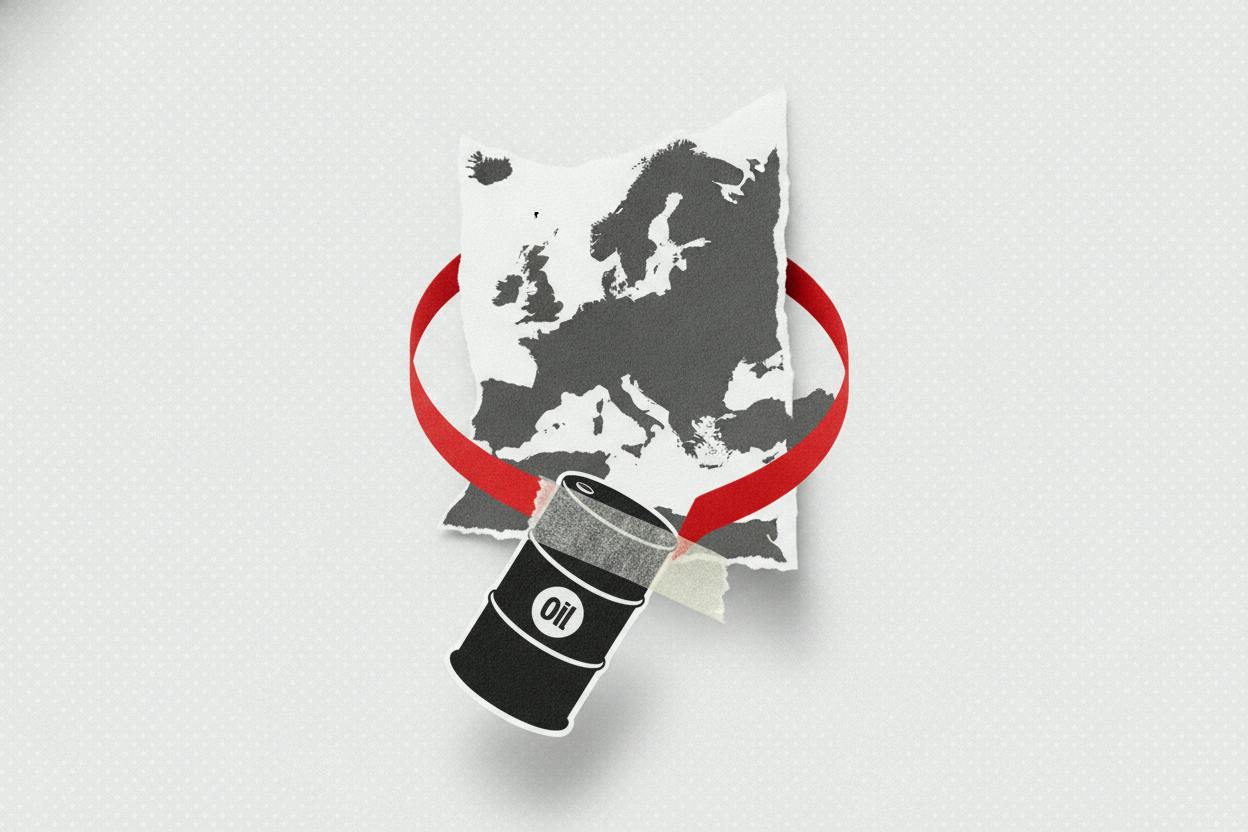
European stocks climbed on Monday, buoyed by a retreat in oil prices and slightly lower government bond yields, but the relief was tempered by persistent volatility that kept investors on edge.
The Stoxx Europe 600, the broad benchmark for the region, gained 0.8% in midday trading. The move came as President Donald Trump toned down talk of new strikes on Iran, easing fears of a broader conflict that could disrupt energy supplies. Brent crude, the international oil benchmark, fell 3.3% to around $95 a barrel, providing some breathing room for economies and companies that have been grappling with high energy costs.
At the same time, the yield on Germany's 10-year government bond hovered near 3.24%, slightly lower on the day. Lower bond yields can make future profits look more attractive to investors, and they also reduce borrowing costs for companies and governments. Together, cheaper oil and easing yields often signal a less stressful environment for equities.
Volatility remains a warning sign
Despite the calmer headlines, the day's gains did not erase the underlying caution. The Euro Stoxx 50 volatility index, which measures how much investors expect the region's blue-chip stocks to swing in the near term based on options prices, slipped to 20.39. But it stayed above the key level of 20, a threshold that market watchers often associate with choppier, more unpredictable trading.
A reading above 20 is more than just a sentiment gauge. It means options are pricing in larger price moves, which makes hedging—buying protection against declines—more expensive. When hedging costs rise, risk-conscious funds often trim their stock exposure, and options dealers may need to trade more aggressively to keep their own books balanced. That dynamic can create a feedback loop that makes rallies harder to sustain, even on supportive news like lower oil and easing yields, until implied volatility drops back below 20.
The elevated volatility index suggests that investors are not fully convinced the geopolitical tensions are behind them. While the immediate threat of new strikes may have receded, the situation remains fluid, and any escalation could quickly send oil prices and volatility higher again.
Economic data adds to the caution
Adding to the unease, research firm Sentix reported that its eurozone economic index edged down to 2.4 in November from 2.7 in October. The reading, which surveys investors about their expectations for the region's economy, points to a backdrop of stagnation rather than robust growth. For everyday investors, that means corporate earnings may face headwinds as consumer demand stays soft and businesses remain cautious about spending.
The combination of high volatility and weak economic sentiment suggests that European stocks could remain range-bound in the near term. Even with supportive factors like lower oil prices, the market may struggle to build sustained momentum until there is clearer evidence that growth is picking up or that geopolitical risks have truly faded.
What it means for investors
For investors, the key takeaway is that the cost of protecting a portfolio remains elevated. With the Euro Stoxx 50 volatility index above 20, buying options to hedge against sharp moves is more expensive than it was during calmer periods. That can eat into returns, especially for those who regularly roll over hedges.
At the same time, the drop in oil prices, if sustained, could ease inflationary pressures and give central banks more room to consider rate cuts down the road. Lower energy costs also benefit consumers and businesses that have been squeezed by high fuel and electricity bills. However, the Sentix data serves as a reminder that the eurozone economy is not exactly firing on all cylinders, and any recovery may be gradual.
Investors should also keep an eye on how other global markets are reacting. In Asia, stocks have been mixed, with oil slipping below $98 as Trump softened his Iran stance, while South Korean stocks fell on worries about an AI supply chain probe. These cross-currents highlight that geopolitical and sector-specific risks remain.
For now, the message from European markets is one of cautious optimism. The immediate threat of an oil spike has eased, and lower yields provide some support, but the volatility index's persistence above 20 is a clear signal that investors are not ready to let their guard down. Until that reading drops decisively below the threshold, expect markets to remain sensitive to headlines and prone to sharp swings.